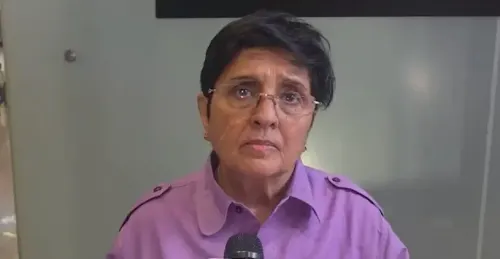
Lt Gen (retd) Madhuri Kanitkar Advocates Grassroot Reservation for Women in Governance
Synopsis
In an exclusive interview, Lt Gen (retd) Madhuri Kanitkar discusses the necessity of grassroots reservation for women in governance, highlighting the lack of equal opportunities within civil organizations. Her insights shed light on the importance of empowering women from the foundational level.
Key Takeaways
Grassroot reservation is crucial for women's empowerment in governance.
Kanitkar views the failure of the Constitution (131st Amendment) Bill as temporary .
Equal opportunities must be established for women to thrive.
Political representation impacts women's voting behaviors.
The challenges faced in the military differ from those in civil governance.
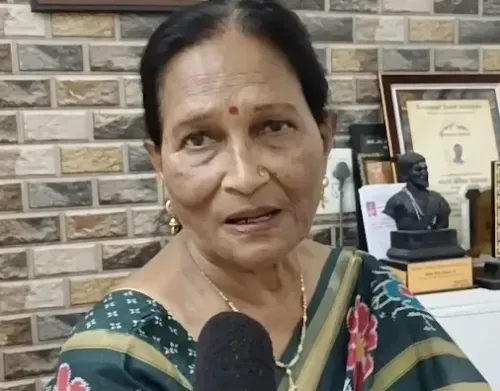
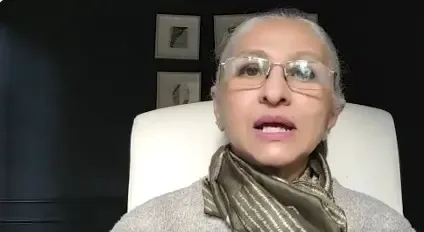
New Delhi, April 18 (NationPress) Lieutenant General Madhuri Kanitkar, a retired General Officer from the Indian Army and the third woman to reach a Three-star rank, stated on Saturday that reservation is essential from the grassroots level in civil services and governance. She emphasized its significance, arguing that equal opportunities are lacking in these domains.
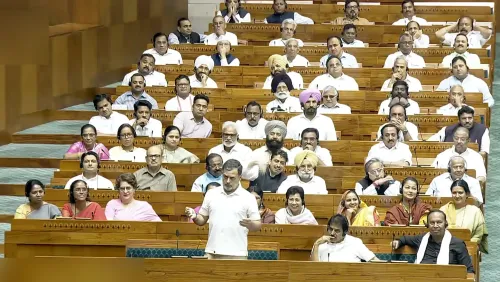
In a conversation with IANS, Kanitkar addressed the recent defeat of the Constitution (131st Amendment) Bill in the Lok Sabha, describing its failure as a temporary setback.
"I believe it won’t be permanent because the concept of reservation for women is fundamentally positive and significant," she remarked.
She pointed out that new initiatives often face resistance and apprehension.
"It’s unrealistic to expect universal agreement. Therefore, it’s a matter of 'Der Hai Andher Nahi' (it is late but never too late)," she added.
Kanitkar asserted that this reservation could be pivotal for female voters, asserting that it would change the dynamic so that "women will no longer vote merely for men to govern them."
She expressed that this would instill a sense of importance among women and encourage young girls to pursue opportunities in governance from the grassroots level.
The former Army officer also compared the representation of women in politics to their presence in the armed forces.
She noted that within the military, beyond resistance, there were apprehensions not solely related to gender or competence.
"Concerns also stem from the logistical support necessary. When integrating women into combat roles, adequate infrastructure is required. This issue doesn’t arise in politics, where basic facilities are not a concern," Kanitkar explained.
"Once opportunities are equitable, I believe reservation will no longer be necessary," she observed.
Reflecting on her journey in a male-dominated environment, Kanitkar credited her achievements to two key factors: "Competence has always been valued, and there were equal opportunities at the foundational level."
She further stressed that there was no selection bias.
"For military training or postgraduate education, opportunities were equally available. Once equal opportunities are established, confidence grows, and expectations for reservations diminish," the former Army officer stated.
Kanitkar also noted the significant gap between the appointments of the three women generals in the Army.
She commended the rising number of female appointments in combat roles.
"Look at how dramatically it has increased since then. Today, we have a woman leading the medical corps, another as the DG of the Navy, and a woman who previously held the position of DG of the Army," she stated.
Thus, "It is about empowering women from the grassroots, fostering future leaders, rather than relying on reservation," she emphasized.
Nonetheless, the former Army officer reiterated that in civil organizations or governance, reservation is crucial from the grassroots due to the absence of equal opportunities.
Point of View
The dialogue initiated by Lt Gen (retd) Madhuri Kanitkar brings to light critical issues regarding women's representation in governance. Her advocacy for grassroots reservation highlights a significant gap in equal opportunities, underscoring the need for systemic change in civil organizations.
NationPress
19 Sept 2026
Frequently Asked Questions
Why does Lt Gen Kanitkar believe reservation is necessary?
She argues that equal opportunities are not currently provided in civil organizations and governance, making grassroots reservation essential for empowering women.
What does Kanitkar say about the recent defeat of the Constitution (131st Amendment) Bill?
She views the defeat as a temporary setback, emphasizing the wholesome idea of reservation for women.
How does she compare women's representation in the military to governance?
Kanitkar highlights that while there are apprehensions in both areas, the logistical needs differ, making the challenges in politics less about infrastructure.
What impact does Kanitkar believe reservation will have on women's voting behavior?
She believes it will empower women to vote not just for men but for candidates who represent their interests.
What does Kanitkar suggest is necessary for truly equal opportunities?
She indicates that once equal opportunities are established, the need for reservation will diminish.