Pakistan's 'double policy' in West Asia under scrutiny after Jaishankar remarks
Synopsis
India's External Affairs Minister S. Jaishankar reportedly calling Pakistan a 'broker' in the West Asia crisis has reignited a sharp debate over Islamabad's so-called 'double policy' — simultaneously condemning Israel, expressing solidarity with Iran, and staying engaged with Western powers. Analysts warn this balancing act, while historically profitable, is becoming harder to sustain as geopolitical lines harden.
Key Takeaways
Jaishankar reportedly referred to Pakistan as a "broker" in the West Asia crisis, triggering fresh scrutiny of Islamabad's foreign policy.
Pakistan has reportedly offered to act as a communication channel between Washington and Tehran , framing it as mediation.
Analysts describe Islamabad's approach as a "dual policy" — publicly condemning Israel and backing Iran while maintaining ties with Western powers .
Pakistan's multi-alignment with the US , China , and Gulf nations offers short-term leverage but risks long-term credibility, experts warn.
Reports of oil shipments and maritime activity in the Strait of Hormuz have further fuelled perceptions of conflicting interests.
Pakistan's nuclear capabilities and regional position sustain its strategic weight even as its balancing model faces mounting scrutiny.
The ongoing crisis in West Asia has ignited a wider geopolitical debate over Pakistan's foreign policy posture in the region, with analysts and observers increasingly questioning what they describe as a "dual" or "double policy" approach in Islamabad's diplomatic engagements, according to a report by Assahifa.
Jaishankar's Remarks Trigger Fresh Scrutiny
The debate gained significant traction after External Affairs Minister S. Jaishankar reportedly referred to Pakistan as a "broker" in the West Asia crisis, drawing sharp reactions and renewed international scrutiny of Islamabad's diplomatic positioning. The remark, attributed to Jaishankar in the Assahifa report, has amplified existing concerns about the consistency of Pakistan's foreign policy signals.
Experts cited in the report suggest that Pakistan has long attempted to project itself as a mediator in regional conflicts, including the current West Asia tensions. However, this role is often interpreted not as neutral diplomacy but as a pragmatic strategy aimed at securing strategic and economic advantages — particularly amid internal vulnerabilities such as economic fragility and reliance on international financial support.
The Balancing Act: US, China, and Gulf Nations
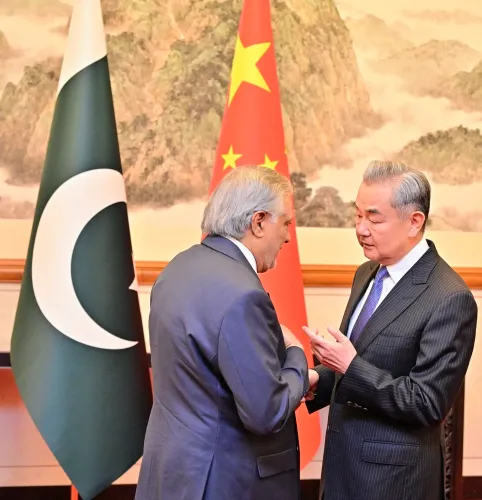
Analysts argue that Islamabad's multi-alignment strategy — maintaining simultaneous ties with the United States, China, and key Gulf nations — has constrained its strategic autonomy while enabling it to remain relevant across multiple geopolitical theatres. This approach, while offering short-term leverage, has also generated perceptions of inconsistency in its foreign policy.
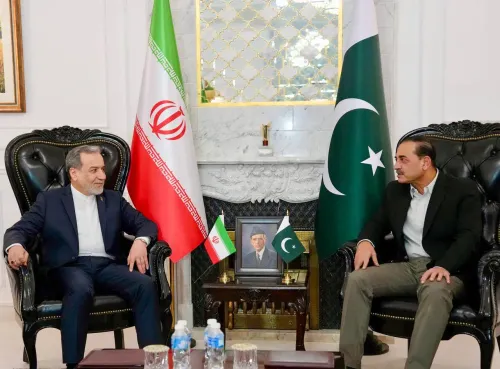
In the context of the current crisis, Pakistan has reportedly offered to facilitate dialogue and act as a communication channel between Washington and Tehran. While such efforts have been framed as mediation, some observers view them as an attempt to maintain influence without committing to any single side.
The controversy has been further fuelled by reports surrounding oil shipments and maritime activity in the Strait of Hormuz, with some analysts suggesting that such developments reinforce perceptions of conflicting interests being pursued simultaneously.
Divergence Between Rhetoric and Action
Observers also point to a notable divergence between Pakistan's public rhetoric and its diplomatic actions. While Islamabad has issued strong statements condemning actions by Israel and expressing solidarity with Iran, it has simultaneously maintained active engagement with Western powers — reinforcing the impression of "dual messaging".
This pattern, experts say, is not new. It is rooted in Pakistan's historical role as a strategic intermediary — ranging from its alliance with the US during the Cold War to its involvement in the post-9/11 war on terror. Such positioning has historically enabled Islamabad to secure financial and strategic support while navigating competing global interests.
Risks to Credibility and Long-Term Viability
Analysts caution that this approach carries significant risks, particularly in terms of credibility. Engaging multiple sides simultaneously may undermine trust in Pakistan's role as a mediator, especially in a volatile and high-stakes environment like West Asia.
The debate also reflects broader concerns about the sustainability of such a foreign policy model. As geopolitical alignments in West Asia continue to evolve, experts argue that maintaining strategic ambiguity may become increasingly difficult, potentially forcing clearer and more defined alignments. At the same time, Pakistan's nuclear capabilities and its geographic position at the crossroads of major regional powers continue to add strategic weight to its calculations, even as questions persist about the long-term viability of its balancing strategy.
The discussion surrounding Pakistan's role, according to the Assahifa report, underscores a larger question confronting global diplomacy: whether nations can continue to straddle competing interests while retaining credibility, or whether shifting geopolitical realities will compel more defined strategic choices.
Point of View
After 9/11, and through successive IMF bailout cycles — because the geopolitical market rewarded fence-sitting. But West Asia in 2025 is a different theatre: the US-Iran fault line is sharper, Gulf states are watching Islamabad's Iran signals closely, and India's pointed 'broker' framing from Jaishankar adds a reputational dimension Islamabad cannot easily dismiss. The deeper problem is structural: Pakistan's economic fragility means it cannot afford to alienate any major financier, which makes genuine strategic commitment nearly impossible. What looks like diplomacy from Islamabad often looks like dependency management from the outside — and in a high-stakes crisis, that distinction matters enormously.
NationPress
20 Sept 2026
Frequently Asked Questions
What is Pakistan's 'double policy' in West Asia?
It refers to Islamabad's approach of simultaneously maintaining ties with competing powers — publicly expressing solidarity with Iran and condemning Israel while staying engaged with the US and Western nations. Analysts describe this as 'dual messaging' aimed at securing strategic and economic advantages without committing to any single side.
What did EAM Jaishankar say about Pakistan's role in the West Asia crisis?
External Affairs Minister S. Jaishankar reportedly referred to Pakistan as a 'broker' in the West Asia crisis, according to a report by Assahifa. The remark drew sharp reactions and intensified scrutiny of Islamabad's diplomatic positioning in the region.
Has Pakistan offered to mediate between the US and Iran?
Yes, Pakistan has reportedly offered to facilitate dialogue and act as a communication channel between Washington and Tehran during the current West Asia crisis. However, observers view this less as neutral mediation and more as an attempt to maintain influence without committing to either side.
Why does Pakistan pursue a multi-alignment foreign policy?
Analysts say Pakistan's multi-alignment — balancing ties with the US, China, and Gulf nations — is driven largely by economic fragility and dependence on international financial support. This approach historically enabled Islamabad to secure aid and strategic backing while navigating competing global interests, though it risks undermining long-term credibility.
What are the risks of Pakistan's balancing strategy in West Asia?
Experts warn that engaging multiple competing sides simultaneously can undermine trust in Pakistan's role as a credible mediator, especially in a volatile environment like West Asia. As geopolitical alignments harden, maintaining strategic ambiguity may become increasingly difficult, potentially forcing clearer policy choices.