China's Unease Over Pakistan's Mediation Efforts in West Asia Conflict
Synopsis
A recent report reveals China's increasing discomfort with Pakistan's mediation attempts in the West Asia conflict involving the US, Israel, and Iran. Diplomatic relations may be shifting amid rising tensions and diverging interests.
Key Takeaways
China's diplomatic response to Pakistan's mediation efforts shows unease.
Recent visits by Pakistani officials have failed to secure strong support from Beijing.
Emerging divergences regarding Afghanistan and US relations are reshaping ties.
Pakistan's military actions are raising concerns for China and affecting regional strategies.
China is scaling back funding for the China-Pakistan Economic Corridor due to instability.
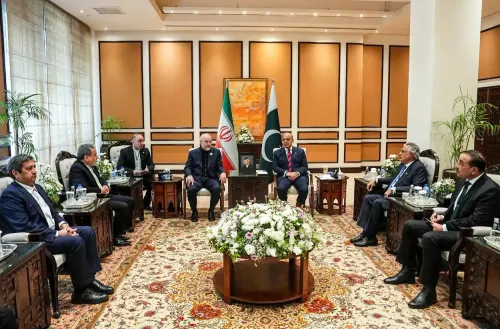
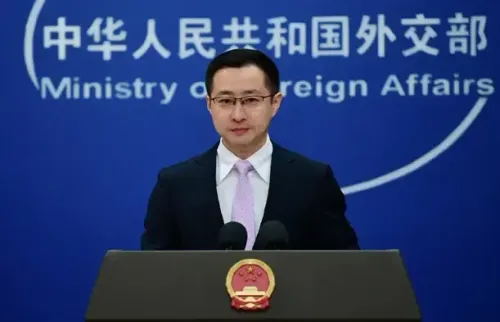
Beijing/Islamabad, April 8 (NationPress) – While China has not openly expressed worries regarding Pakistan’s role in mediating the ongoing West Asia conflict involving the US, Israel, and Iran, a report indicates that Beijing's diplomatic stance reveals a sense of unease.
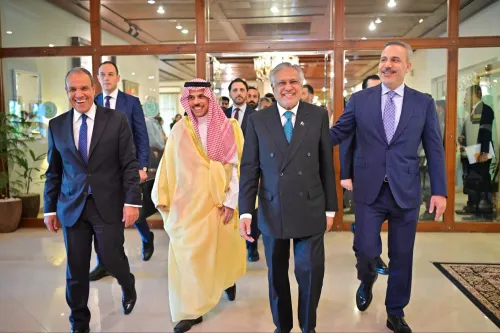
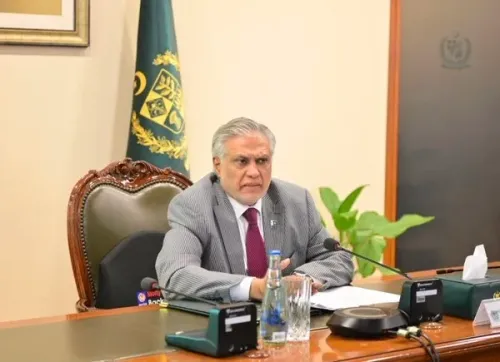
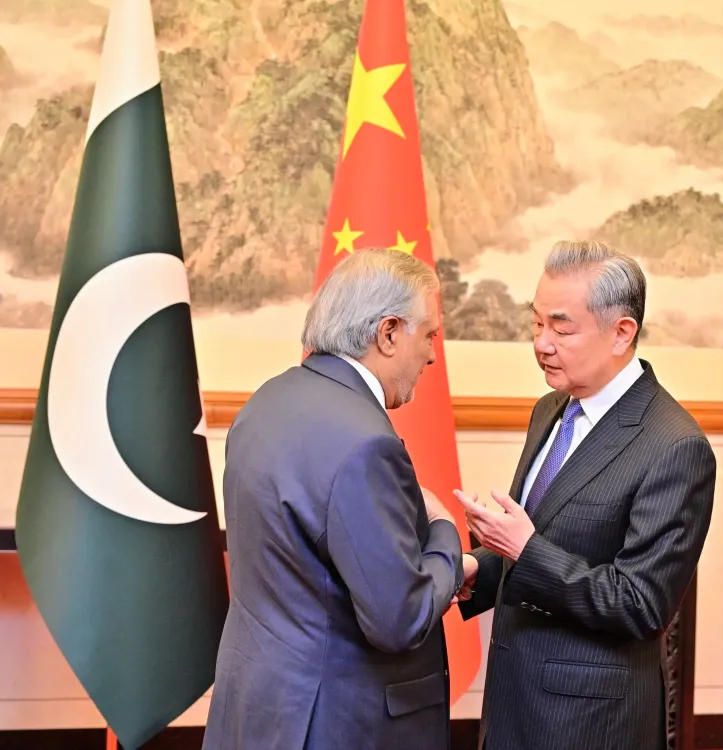
The report from the 'Politeia Research Foundation' notes that the recent visit of Pakistan's Defence Minister Ishaq Dar to Beijing did not yield strong backing for mediation, instead receiving only a "cautious, principle-based" acknowledgment from the Chinese authorities.
This situation underscores a larger reality: "all is not well in China-Pakistan relations," with emerging differences—particularly regarding Afghanistan and ties with the US—altering the dynamics of this historically close partnership.
“Pakistan's Foreign Minister Ishaq Dar's visit to Beijing was timely and aimed at gaining China’s endorsement for Pakistan's proposed mediation efforts amidst the escalating tensions between the US, Israel, and Iran. This followed a meeting in Islamabad that included nations like Egypt, Saudi Arabia, and Turkey to discuss potential mediation plans. However, after that initiative did not produce significant results, Pakistan sought China's involvement,” the report elaborated.
“Nevertheless, China has chosen to proceed with caution instead of offering support. It has advised Pakistan to first address its issues with Afghanistan, highlighting that a nation looking to mediate cannot simultaneously engage in hostilities against its neighbor. Such contradictions diminish credibility and convey the wrong impression about Pakistan’s ability to serve as a neutral facilitator,” it added.
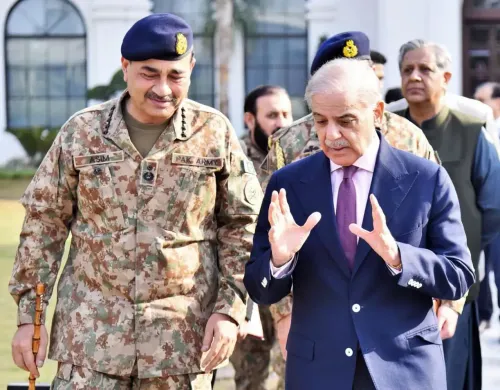
The report also mentions that under the leadership of Pakistani Army Chief Marshal Asif Munir—who is seen as a "favored figure" by US President Donald Trump—Pakistan has overlooked China's security interests in Afghanistan, repeatedly undermining them.
Pakistan's ongoing military actions against Afghanistan have raised significant concerns, prompting China to reassess its regional strategies.
“China's apprehension stems from its long-term strategic and economic ties across the region. Beijing has heavily invested in Pakistan, especially through the China-Pakistan Economic Corridor, while also aiming to enhance connectivity into Afghanistan through new trade routes and economic collaboration,” the report noted.
“In recent years, China has expanded its economic presence in Afghanistan, recognizing its geostrategic importance as a vital link between Central Asia, South Asia, and West Asia—an essential aspect of its broader connectivity goals under the Belt and Road Initiative. Security concerns, particularly the threat of extremism from Afghanistan, further influence China’s perspective,” it stated.
The report highlights that the evolving dynamics are reflected in the slowing progress of the China-Pakistan Economic Corridor (CPEC), noting that China has significantly reduced funding for the initiative.
“Pakistan consistently mentions CPEC in discussions with China to obtain renewed financial support, but Beijing has diminished its engagement due to worries about corruption, terror threats to its personnel, and the increasing instability within the country,” it emphasized.
Point of View
Where historical ties are being tested by emerging geopolitical tensions. As both nations navigate their strategic interests, the potential for conflict or cooperation remains uncertain.
NationPress
18 Oct 2026
Frequently Asked Questions
What is the main concern for China regarding Pakistan's mediation efforts?
China is concerned that Pakistan's ongoing military actions against Afghanistan undermine its credibility as a neutral mediator in the West Asia conflict.
How has the relationship between China and Pakistan changed recently?
Recent diplomatic exchanges indicate that there are emerging divergences in interests, particularly over Afghanistan and relations with the US, affecting their previously strong partnership.
What is the China-Pakistan Economic Corridor (CPEC)?
CPEC is a major economic initiative aimed at enhancing connectivity and economic cooperation between China and Pakistan, which has seen reduced funding due to concerns about corruption and instability.
What impact does the West Asia conflict have on regional stability?
The West Asia conflict adds layers of complexity to regional stability, affecting relationships and strategic calculations of countries like China and Pakistan.
Why is Afghanistan significant in this context?
Afghanistan's geostrategic location is critical for connectivity between Central Asia, South Asia, and West Asia, making it a focal point for China's strategic interests.