Pakistan's Role as Mediator in West Asia: An Insight into External Pressures
Synopsis
Pakistan is positioning itself as a mediator in the West Asia conflict, reflecting complex internal and external pressures. This article explores the strategic implications and the challenges faced by Pakistan in this high-stakes geopolitical landscape.
Key Takeaways
Pakistan is seeking to establish itself as a mediator in the West Asia conflict amid significant internal and external pressures.
The recent meeting in Islamabad included key regional players but excluded major conflict parties.
Pakistan's historical ties with the US complicate its diplomatic efforts.
Economic vulnerabilities and internal dissent are critical factors influencing Pakistan's strategy.
The evolving geopolitical landscape requires careful navigation by Pakistan to maintain its credibility.
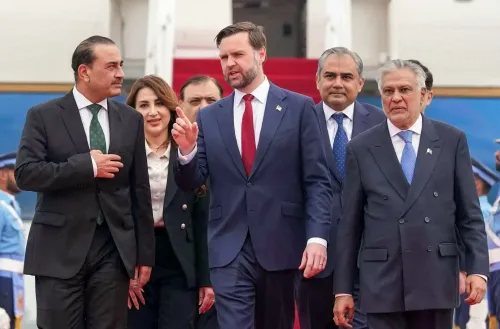
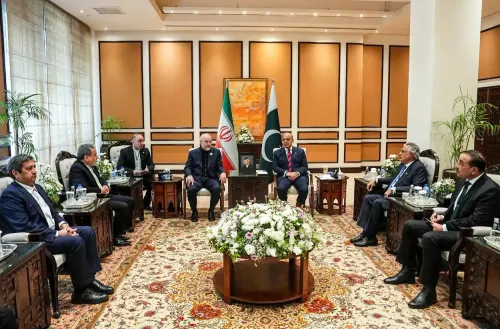
Islamabad, March 30 (NationPress) In the context of the persistent turmoil in West Asia, Pakistan is endeavoring to position itself as a mediator, highlighting both external and internal pressures, as reported.
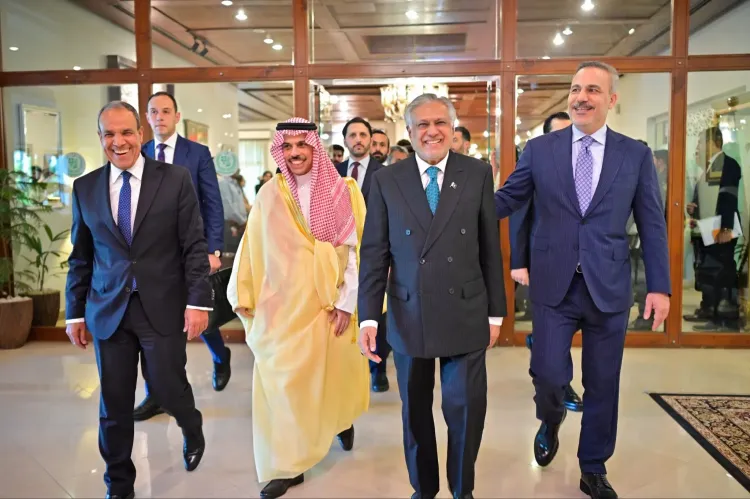
A recent gathering took place in Islamabad, featuring representatives from Turkey, Egypt, and Saudi Arabia. Notably, the key conflict parties—Israel, the US, and Iran—were absent. This initiative to frame Pakistan as a mediator should be understood within a broader strategic framework, according to a report from Asia Times based in Hong Kong.
Initially, the US anticipated a swift and decisive resolution to the conflict; however, the situation has evolved into a more intricate and drawn-out affair. Iran has targeted military facilities and commercial interests, contributing to increased energy prices due to disruptions in global oil supplies following blockades in the Strait of Hormuz.
In light of these developments, the US and its allies are seeking a way out, wary of becoming embroiled in another extended conflict in the region. Several Gulf states are unable to act as mediators, since countries like Qatar, Oman, and Bahrain are directly impacted by Iran's missile and drone strikes. This places them in the role of stakeholders rather than neutral mediators.
According to Imran Khurshid in the Asia Times report, "The context necessitating Pakistan's involvement as a mediator is multifaceted. The answer to why Pakistan emerges as a mediator is rooted not in its growing global prominence but rather in a blend of strategic convenience and its own internal pressures."
Firstly, Pakistan has recently finalized a mutual defense agreement with Saudi Arabia, which incorporates a NATO-like clause that views an attack on one nation as an attack on both. As the conflict continues, there is a possibility that Pakistan may be compelled to support Saudi Arabia militarily, intensifying Islamabad's urgency to mitigate escalation. Secondly, Pakistan's internal dynamics are delicate, with segments of its populace, particularly the Shia community, expressing solidarity with Iran. Following the death of Iran's Supreme Leader Ayatollah Ali Khamenei, protests erupted across Pakistan.
Thirdly, Pakistan shares a border with Iran, and any instability within Iran could exacerbate insurgency issues for Pakistan, as reported by Asia Times. Fourthly, Pakistan's economic fragility makes it heavily dependent on external financial support, including International Monetary Fund (IMF) bailouts and backing from Gulf nations.
These intertwined factors elucidate why Pakistan is striving to establish itself as a mediator—demonstrating the pressures and constraints it must navigate, both externally and internally. The narrative surrounding Pakistan's ascending role in global diplomacy should be approached with caution, as increased visibility does not equate to genuine influence. Being prominent during a crisis does not guarantee sustained diplomatic power or independent strategic agency. It is crucial to remember that Pakistan has often acted as a close ally of the US, pursuing regional objectives within externally defined parameters—from Afghanistan to the broader West Asian context,” Khurshid emphasized.
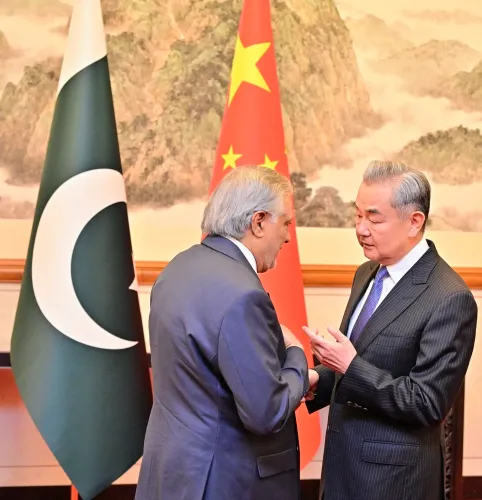
“Current mediation endeavors highlight this complex dynamic. Tweets from Pakistani leaders, such as Prime Minister Shehbaz Sharif and Foreign Minister Ishaq Dar, are being shared by Donald Trump on his Truth Social platform—a notable occurrence that aligns with US interests. Simultaneously, while Pakistan advocates for mediation, it has not ceased its military activities in Afghanistan, casting doubt on its credibility as a neutral mediator. Recent military actions that reportedly struck civilian facilities, including hospitals, have resulted in over 400 fatalities, further complicating its claim to impartiality,” he concluded.
Point of View
It is essential to recognize the intricate dynamics at play in Pakistan's attempts to mediate in the West Asia conflict. The situation underscores a blend of strategic necessity and complex internal factors that influence Pakistan's diplomatic posture.
NationPress
28 Sept 2026
Frequently Asked Questions
Why is Pakistan trying to act as a mediator in West Asia?
Pakistan aims to portray itself as a mediator due to a combination of strategic convenience and internal pressures, including a recent defense agreement with Saudi Arabia and the influence of its Shia population.
What challenges does Pakistan face in mediating the conflict?
Pakistan faces several challenges, including its economic reliance on external support, internal dissent from segments of its population, and its historical alignment with the US.
What recent events have impacted Pakistan's diplomatic efforts?
The killing of Iran's Supreme Leader Ayatollah Ali Khamenei sparked protests in Pakistan, complicating its position as a neutral mediator.
How has the US involvement influenced the conflict?
The US initially sought a quick resolution to the conflict but is now facing a more complicated situation, influencing its approach and the roles of its allies, including Pakistan.
What is the significance of the recent meeting in Islamabad?
The meeting included Turkey, Egypt, and Saudi Arabia but excluded key conflict parties, highlighting Pakistan's desire to position itself in a mediating role despite significant challenges.