Pakistan's Role in the US-Iran Conflict: A Mediator's Inconsistencies
Synopsis
Explore the complexities of Pakistan's self-styled mediation in the US-Iran conflict, highlighting contradictions and geopolitical implications. This article delves into the challenges faced by Pakistan as it navigates its role on the international stage.
Key Takeaways
Pakistan's mediation role is questioned due to its lack of neutrality.
Exclusion of Israel from the process complicates the situation.
Concerns exist regarding Pakistan's credibility as a mediator.
Pakistan's alliance with Saudi Arabia affects its position in the conflict.
The narrative of being a 'Peace Messiah' is contradicted by its actions.
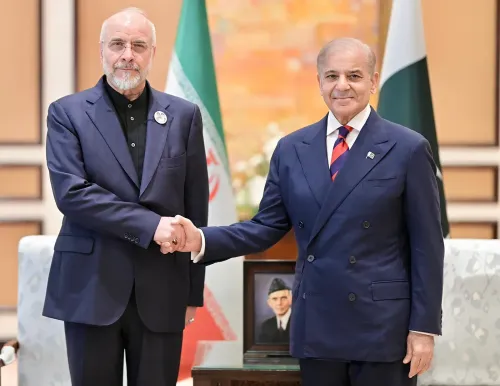
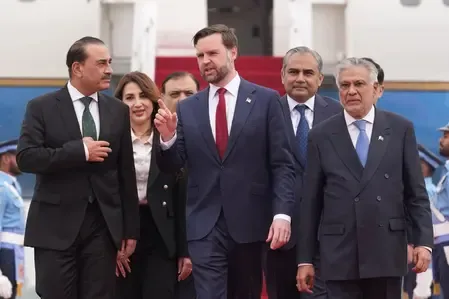
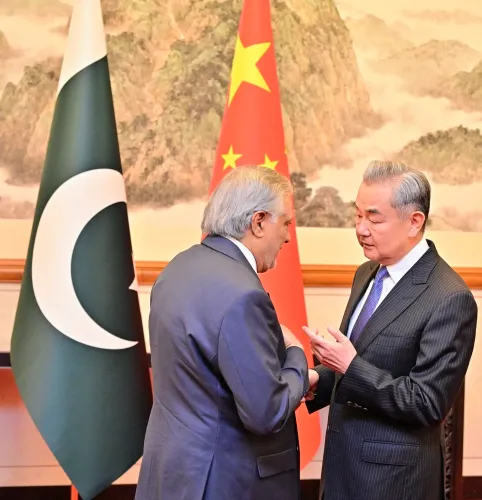
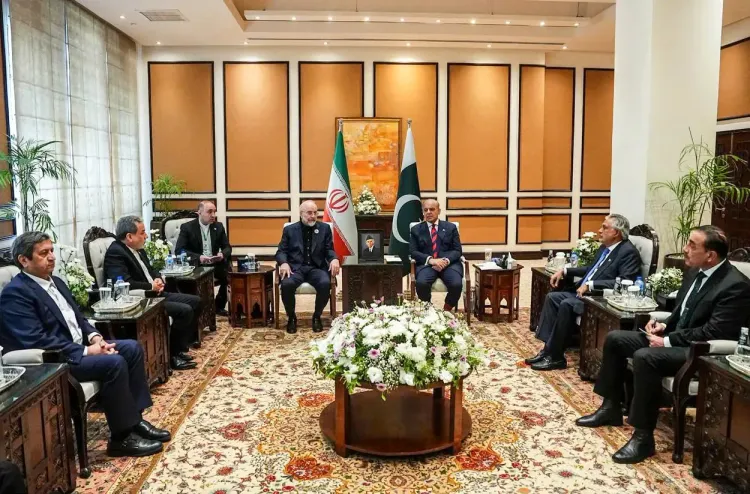
Islamabad, April 15 (NationPress) Pakistan's self-proclaimed role as a mediator in the US-Iran conflict exposes significant inconsistencies and geopolitical interests. A true mediator must remain neutral and gain acceptance from all parties involved. However, Pakistan's approach to mediation in the West Asian conflict diverges from these essential principles, as detailed in a recent report.
Notably, Israel was excluded from this mediation effort, despite being a key player in the conflict. Pakistan has not only refused to recognize Israel as a legitimate state but has labeled it an "illegal entity." The backlash faced by Pakistan's Defence Minister after he posted anti-Israel sentiments on X further illustrates this point, as noted by Manoj Kumar Panigrahi, an Associate Professor at Jindal School of International Affairs, in Global Order.
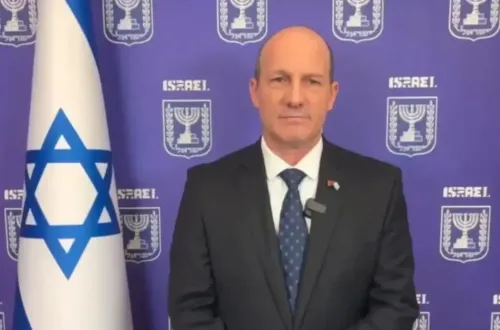
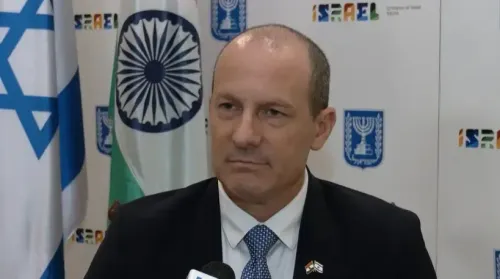
Before mediation began, Israel’s Ambassador to India, Reuven Azar, expressed that Jerusalem does not consider Islamabad a "credible participant" and indicated that the United States opted to enlist Pakistan's mediation "for its own interests." Such contradictions can lead to confusion and potentially derail the mediation process, especially when one of the conflicting parties does not recognize the mediator.
Moreover, concerns have been raised regarding Pakistan's credibility and its position as a "natural" mediator, given its alliance with Saudi Arabia. The two nations signed the Strategic Mutual Defence Agreement in 2025, pledging mutual support in the event of military aggression. With Saudi Arabia recently facing missile assaults from Iran, ambiguity surrounds whether Pakistan will assist Tehran.
Additionally, the report emphasizes that Pakistan appears to seek benefits from its role in the mediation process. The ongoing conflict in West Asia has overshadowed tensions between Pakistan and Afghanistan, and Islamabad's involvement has garnered US support against Afghanistan.
Finally, according to the report from Global Order, Pakistan aims to convey a narrative that it has contributed positively to global stability by facilitating mediation in the West Asian conflict and ensuring the seamless flow of crude oil through the Strait of Hormuz.
However, this claim contradicts itself. The willingness to even engage in dialogue can be seen as a primary "saturation" between the United States and Iran. Pakistan’s portrayal as a "Peace Messiah" has often faltered, as it frequently tries to mask its position behind the nuclear threat, as noted by Panigrahi.
Point of View
It's crucial to analyze Pakistan's mediation efforts in the US-Iran conflict through an objective lens. While Pakistan claims to be a mediator, its actions suggest a lack of true neutrality, raising important questions about its credibility and intentions on the international stage.
NationPress
14 Sept 2026
Frequently Asked Questions
What is Pakistan's stance on Israel?
Pakistan does not recognize Israel as a legitimate state and considers it an illegal entity.
What agreement exists between Pakistan and Saudi Arabia?
Pakistan and Saudi Arabia signed the Strategic Mutual Defence Agreement in 2025, pledging mutual support in case of military aggression.
How does Pakistan's mediation affect its relationship with Iran?
Pakistan's mediation raises questions about its commitment to Iran, particularly in light of its alliance with Saudi Arabia.
What are the contradictions in Pakistan's mediation?
Pakistan's exclusion of Israel from mediation efforts and its claims of neutrality conflict with its geopolitical alliances and public statements.
What narrative is Pakistan trying to push regarding its mediation?
Pakistan aims to portray itself as a positive force in global stability by facilitating mediation in the West Asian conflict.