Pakistan's Role as Mediator in US-Iran Tensions Amid Ongoing Conflict with Afghanistan
Synopsis
In a surprising diplomatic maneuver, Pakistan is stepping up as a mediator in the US-Iran crisis while simultaneously intensifying its military operations in Afghanistan. This dual approach raises questions about Islamabad's strategic priorities and its implications for regional stability.
Key Takeaways
Pakistan emerges as a mediator in the US-Iran conflict.
Ongoing military actions in Afghanistan complicate its diplomatic efforts.
Urgency driven by desire to enhance global relevance and economic leverage.
Risks of overextension and credibility issues loom large.
Strategic maneuvering reflects Pakistan's complex geopolitical landscape.
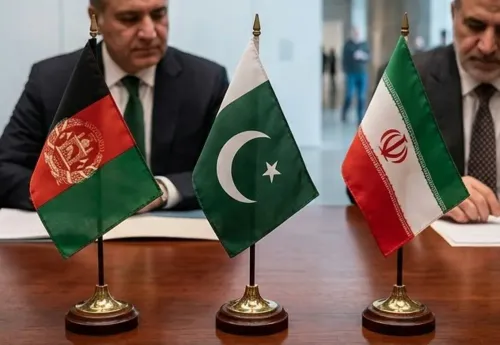
New Delhi, March 27 (NationPress) In an unexpected twist, Pakistan has positioned itself as a mediator in the intensifying US-Iran conflict, utilizing its diplomatic relationships, as reported. However, its protracted war with Afghanistan remains unresolved, despite multiple mediation attempts from other regional nations.
Sources indicate that Islamabad is facilitating covert discussions between Washington and Tehran to prevent a larger regional conflict, which is now entering its fourth week.
US President Donald Trump has declared a temporary five-day halt in strikes targeting Iran's energy sector following 'productive' indirect diplomacy facilitated by Pakistan, along with Turkiye and Egypt.
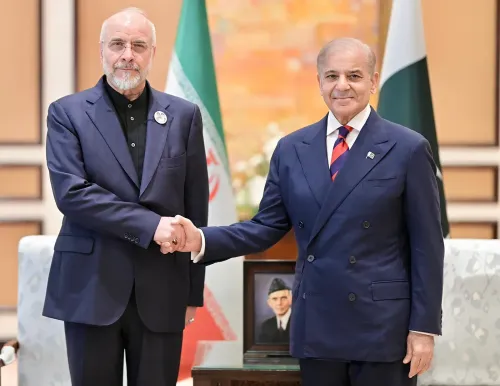
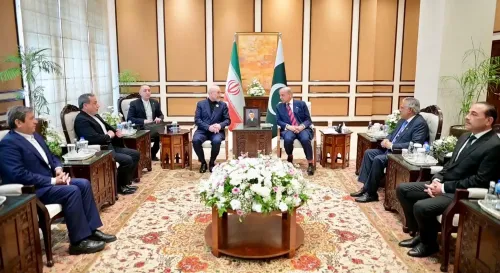
With this move, Islamabad seeks to establish itself as the primary intermediary, proposing to host direct negotiations involving senior officials from both the US and Iran.
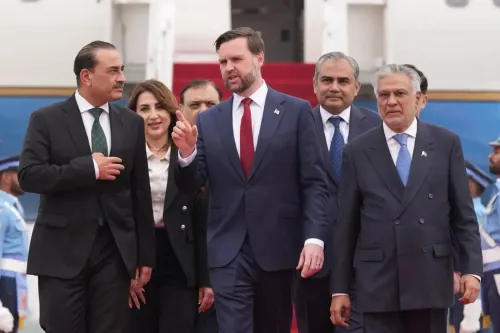
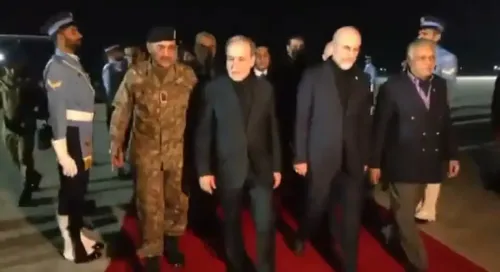
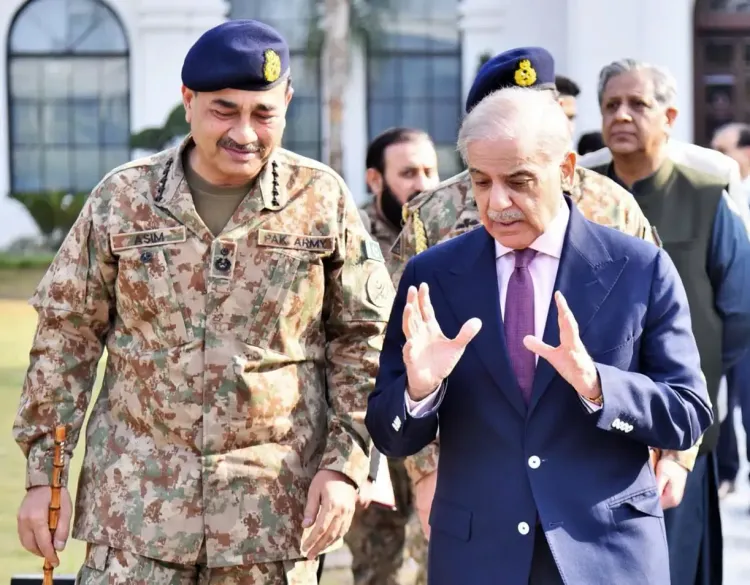
Pakistan's Army Chief, Asim Munir, has taken advantage of his improving relations with the White House and Pakistan's historical connections with regional powers like Saudi Arabia, UAE, and Turkiye to spearhead this initiative.
The urgency from Islamabad is largely driven by a desire to bolster its global standing in light of recent controversies, while also seeking economic leverage amidst the turmoil in the Middle East.
Pakistan's desire to mediate in the US-Iran conflict, despite its ongoing struggles with Afghanistan, arises from pressing strategic, economic, and reputational imperatives.
This initiative allows Islamabad to present itself as a responsible global actor amid domestic and regional crises.
General Munir and Prime Minister Shehbaz Sharif have portrayed Islamabad as a neutral ground, garnering apparent approval from US President Donald Trump, in an effort to reclaim its relevance following conflicts with India, Iran, and now Afghanistan.
Pakistan aims to project itself as an 'indispensable' player, delivering messages under duress, even though no confirmed direct contact between the US and Iran has occurred yet.
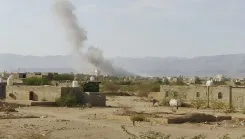
Simultaneously, Pakistan has launched an 'open war' against Kabul, executing airstrikes on various Afghan cities, including the capital, resulting in numerous casualties.
Recently, over 400 individuals lost their lives in a bombing at a Kabul drug rehabilitation center. This conflict traces back to the contested over-2,600-km Durand Line border, which Afghanistan disputes as a colonial imposition on Pashtun territories.
Pakistan has accused the Taliban of neglecting their commitments made in Doha in 2021 to suppress terror factions purportedly operating from Afghan soil, prompting retaliatory measures such as airstrikes on suspected militant targets.
A brief clash in 2025 resulted in 17 civilian deaths before a ceasefire mediated by Qatar and Turkiye in October, although hostilities resumed thereafter.
The deteriorating relations between Afghanistan and Pakistan are rooted in deep-seated mistrust and sovereignty disputes, leading to hundreds of fatalities over recent weeks.
Thus, Pakistan's role as a mediator in the Iran conflict—despite its Afghan predicament—highlights its desperate diplomatic maneuvering.
“Asim Munir, praised by President Trump as his ‘favorite field marshal’, recently orchestrated bombings in Afghanistan’s largest drug rehabilitation facility, claiming hundreds of lives,” noted geostrategist and author, Brahma Chellaney, on Facebook.
The Kabul hospital bombing undoubtedly stained Islamabad’s reputation, prompting a diplomatic makeover through high-stakes mediation to mitigate backlash and assert its significance.
“Under Munir’s military leadership, Pakistan conducted high-profile strikes against Iran in January 2024,” Chellaney reminded.
Now, while Islamabad dismisses third-party solutions for its border issues, it positions itself as a neutral facilitator for US-Iran discussions. Successful mediation could provide Pakistan—currently grappling with separatist movements, political instability, and economic challenges—with essential aid, trade agreements, and sanctions relief, all critical amidst internal strife and FATF grey-listing for terror financing.
However, “Communicating Trump’s 15-point strategy—insisting that Iran concede at the negotiation table what it has resisted on the battlefield—will likely undermine Munir’s credibility with Tehran,” cautioned the expert.
This Catch-22 scenario presents risks of overextension. Increased strikes in Afghanistan coincided with the escalation of hostilities in Iran, suggesting that a divided focus could weaken Pakistan's standing.
Regionally, this widens security threats, while energy disruptions from Iran pose risks to Pakistan's economy. Success in Iran could enhance leverage against Kabul, but failure may isolate Islamabad even further.
Point of View
It's essential to recognize the complexities surrounding Pakistan's dual role of mediation in the US-Iran conflict while simultaneously engaging in military actions in Afghanistan. This situation reflects a strategic maneuvering that seeks to enhance Pakistan's international standing, despite the risks involved.
NationPress
23 Sept 2026
Frequently Asked Questions
What is Pakistan's role in the US-Iran conflict?
Pakistan is facilitating backchannel talks between the US and Iran to prevent a larger regional war, despite its ongoing conflict with Afghanistan.
How has the US responded to Pakistan's mediation efforts?
The US has acknowledged Pakistan's role, with President Trump announcing a temporary pause in strikes on Iran's energy infrastructure following productive discussions.
What are the implications of Pakistan's military actions in Afghanistan?
Pakistan's military operations in Afghanistan complicate its mediation efforts, as ongoing violence raises concerns about Islamabad's credibility as a neutral facilitator.
What are the driving factors behind Pakistan's mediation?
Pakistan's mediation efforts are driven by a desire to enhance its global relevance and secure economic benefits amid regional instability.
What are the risks associated with Pakistan's dual role?
Balancing mediation and military actions presents risks of overextension and may lead to increased security threats in the region.