Pakistan's Role in US-Iran Ceasefire: Media Hype vs. Reality
Synopsis
A recent report challenges the notion that Pakistan's mediation in the US-Iran ceasefire marks a significant diplomatic success. Instead, it reveals the underlying constraints and dependencies that define Pakistan's foreign policy.
Key Takeaways
Temporary truce between the US and Iran shouldn't be seen as a win for Pakistan.
Pakistan's role is that of a mediator, not an independent negotiator.
Increased visibility may not translate to strategic influence.
Dependence on external powers raises concerns about sovereignty.
Long-term strategic position remains constrained.
Islamabad, April 14 (NationPress) The recent temporary ceasefire between the United States and Iran should not be viewed as a standalone diplomatic success for Pakistan. Instead, it represents Washington's strategy for a managed de-escalation from a conflict that has proven to be increasingly costly and complex, ultimately becoming “strategically, economically, and geopolitically” counterproductive, according to a report released on Tuesday.
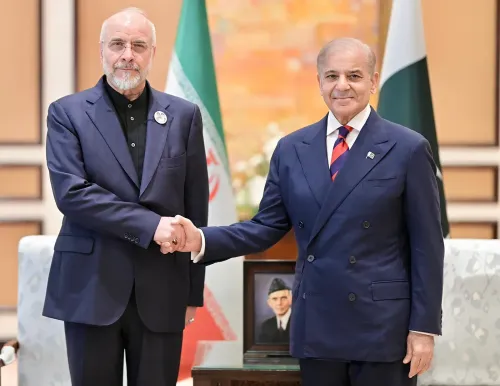
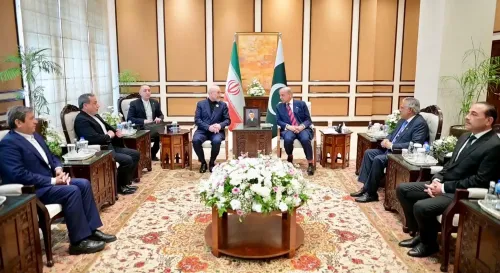
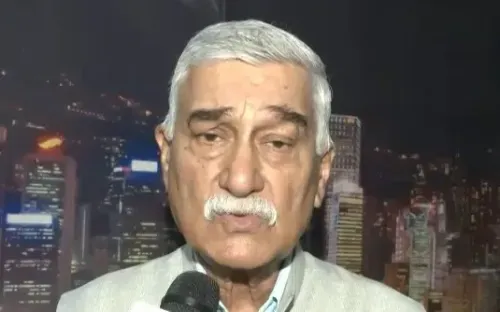
The Iran ceasefire signifies a recalibration of US strategy and highlights Pakistan's limited diplomatic role. The US aimed for a controlled exit from a conflict that jeopardized energy security, strained international alliances, and incited domestic dissent. Pakistan's involvement as a mediator stemmed from concerns over regional instability, economic vulnerability, and commitments to Gulf allies, as noted by Imran Khurshid from the New Delhi-based 'International Centre for Peace Studies.'
“Although this situation provided Islamabad with increased visibility, it also underscored its reliance on external powers and posed risks to its relationships with Gulf nations. India, having rejected mediation, stands to gain indirectly from this de-escalation, thus protecting its energy and remittance avenues. Ultimately, Pakistan's involvement illustrates visibility without genuine strategic influence,” the report elaborates.
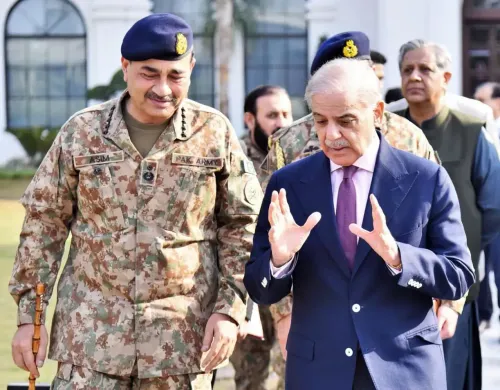
The report further indicates that while Pakistan may frame these mediation efforts as a diplomatic achievement, the internal repercussions are less favorable. Pakistani Army Chief Asim Munir might utilize this narrative to further entrench his grip on power.
“This is troubling news for advocates of democratic principles in Pakistan. For the Pakistani diaspora striving for democratic restoration from abroad, this is also disheartening. With Imran Khan currently imprisoned and democratic institutions in distress, this development could further bolster the military's narrative of strategic necessity. Individuals like Asim Munir may exploit this situation to strengthen their power and suppress dissent,” it cautions.
The report emphasizes that much of the perception surrounding Pakistan's increasing significance is predominantly driven by media hype, with domestic outlets portraying its mediation as a diplomatic triumph over India — yet visibility should not be mistaken for influence.
“Pakistan remains a constrained nation, economically reliant on institutions like the International Monetary Fund and countries such as the United States, China, and Gulf states. Although it might achieve short-term visibility, this does not equate to substantial strategic influence. It continues to grapple with structural constraints in economic, geopolitical, and strategic arenas and remains dependent on IMF bailouts,” it stated.
Consequently, the report concludes that Pakistan will continue to prioritize securing successive debt tranches and managing its repayment responsibilities rather than exercising independent strategic decision-making akin to more autonomous nations.
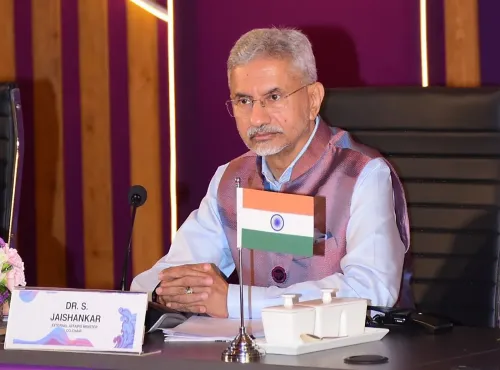
The report advises, “Foreign policy should not be evaluated through a short-term perspective. While Pakistan may relish its transient visibility, its long-term strategic standing appears increasingly constrained. Conversely, India's methodical and pragmatic strategy is likely to yield positive outcomes over time.”
Point of View
It's imperative to present an unbiased perspective. This report suggests that while Pakistan's involvement in the US-Iran ceasefire may enhance its visibility on the global stage, it starkly reveals the nation's limitations in wielding substantial strategic influence. The reliance on external powers raises questions about its sovereignty and future diplomatic capabilities.
NationPress
19 Sept 2026
Frequently Asked Questions
What does the report say about Pakistan's role in the ceasefire?
The report indicates that Pakistan's role is more of an intermediary rather than a robust negotiator, reflecting its limited strategic influence.
How does the ceasefire affect Pakistan's relationships with Gulf nations?
The ceasefire risks straining Pakistan's ties with Gulf states while highlighting its dependence on external powers.
What are the internal consequences of this mediation for Pakistan?
The internal consequences may bolster the military's narrative of strategic necessity, potentially weakening democratic institutions.
Is the perception of Pakistan's importance in the mediation accurate?
Much of the perception is deemed media-driven hype, which should not be confused with actual diplomatic influence.
What are the long-term implications of this diplomatic visibility for Pakistan?
The report suggests that while visibility is gained, Pakistan's long-term strategic position remains constrained due to economic dependencies.