Israeli Envoy: US Engaging Pakistan as Facilitator for Strategic Motives in Iran Ceasefire

Synopsis
Reuven Azar, Israel's Ambassador to India, shares insights on the U.S. decision to engage Pakistan in facilitating a ceasefire with Iran. He emphasizes the importance of a 15-point plan and the impact it could have on regional stability.
Key Takeaways
The U.S. has engaged Pakistan as a facilitator for strategic discussions with Iran.
Israel trusts the U.S. to implement the 15-point ceasefire plan.
Iran's nuclear weapon production capabilities have been significantly impaired.
There are signs of instability within the Iranian regime.
Israel remains prepared to defend itself against any resumed hostilities.
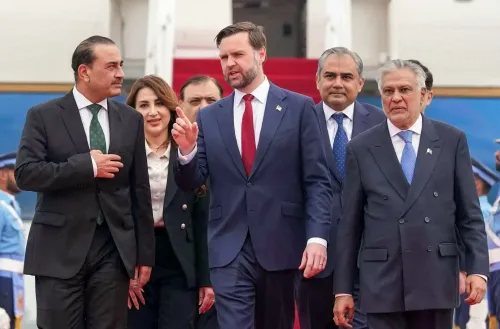
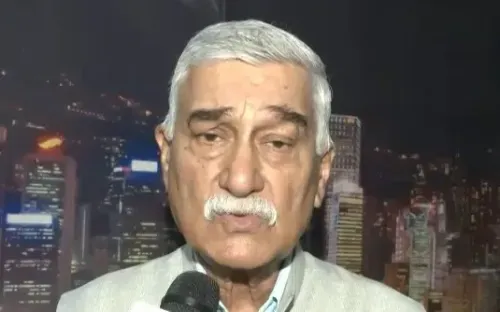
New Delhi, April 9 (NationPress) Reuven Azar, Israel's Ambassador to India, stated on Thursday that the United States has opted to engage Pakistan as a facilitator for its own strategic motives. He emphasized that Jerusalem supports Washington's decision, provided the 15-point strategy aimed at concluding the conflict in the Middle East is effectively executed.
"While we have not observed Pakistan actively participating in the conflict, their role has not been constructive. The U.S. has selected them as a facilitator for reasons of their own. We have confidence that the U.S. will implement the 15-point plan," Azar shared in an exclusive interview with IANS.
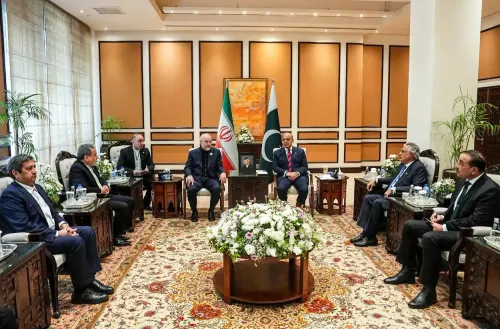
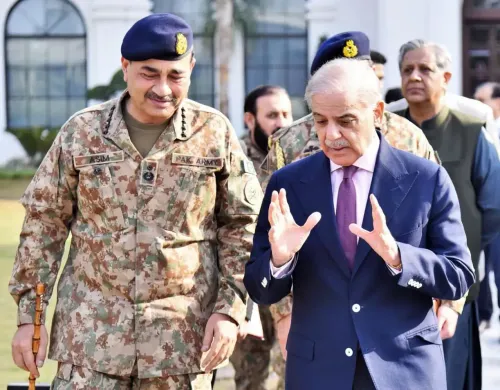
Multiple reports suggest that the White House is leveraging Pakistan as an intermediary to engage Iran regarding a temporary ceasefire. This involves Islamabad relaying a U.S.-formulated 15-point proposal along with Iran's feedback, which includes both five- and ten-point counter-proposals.
Azar expressed optimism that, following the dismantling of what he termed "existential threats"—primarily Iran's military nuclear agenda—Israel anticipates that the Iranian government will begin collaborating with the U.S. on a broader initiative aimed at halting hostilities that have left the global community on edge for several weeks.
"We are quite pleased. Our military operations have reached their limit, and we are relieved that diplomacy may be given another opportunity. We hope this regime seizes the moment and opts to collaborate with President Trump's 15-point plan. If they do, not only will they gain relief, but the entire region will benefit. We sincerely wish for this outcome. However, we remain prepared should they fail to honor the ceasefire or attempt to delay further. Our forces stand ready to defend ourselves should hostilities resume," the Israeli envoy remarked.
He reiterated that Iran's capacity for nuclear weapon production has been significantly impaired and the regime appears to be faltering due to dwindling internal support.
"We have effectively crippled Iran's nuclear weapons production capabilities and have delayed their program by several years. We will continue to monitor the situation until enriched uranium is safely extracted and all enrichment activities cease. Should Iran resume its program, we will take necessary actions to protect ourselves from this threat," Azar stated.
"Cracks are emerging within the regime. There seems to be a disconnection between the IRGC and the leadership. The regime has resorted to inviting foreign militias, indicating a lack of internal backing. Despite internet restrictions, reports indicate a growing public response to strikes against the regime, reflecting instability. We hope for a change in or of the regime in the future," he concluded.
Point of View
The decision by the U.S. to involve Pakistan as a facilitator in the Iran ceasefire negotiations raises questions about strategic alliances and the future stability of the region. This development underscores the complexities of international diplomacy in a time of conflict.
NationPress
19 Sept 2026
Frequently Asked Questions
Why did the U.S. choose Pakistan as a facilitator?
The U.S. selected Pakistan as a facilitator for its own strategic reasons, as stated by Israeli Ambassador Reuven Azar, indicating a complex diplomatic relationship.
What is the 15-point plan?
The 15-point plan is a U.S.-drafted strategy aimed at achieving a temporary ceasefire between Iran and other involved parties.
What are the implications of Iran's nuclear program?
The ongoing concerns about Iran's nuclear capabilities have significant implications for regional security, as Israel emphasizes the need to monitor and address potential threats.
How has the Iranian regime reacted to the strikes?
Reports suggest that there is growing public support against the regime, despite restrictions, indicating instability within Iran.
What are Israel's concerns regarding Iran?
Israel is primarily concerned about Iran's military nuclear program and its potential threats to regional stability and security.