Report: Pakistan Designated as Facilitator in US-Iran Talks Amid Geopolitical Tensions
Synopsis
In light of the recent US-Iran negotiations in Islamabad that fell short of expectations, a report emphasizes the necessity for ongoing peace initiatives through alternative mediators. The role of Pakistan as a facilitator is examined within a specific geopolitical context, highlighting the broader implications for regional stability.
Key Takeaways
Pakistan's Role: Acts primarily as a facilitator, not a mediator.
Global Economic Impact: The US-Iran conflict has strained economies worldwide.
Ceasefire Progress: Recent ceasefire raises hopes for lasting peace.
Geopolitical Context: Pakistan's involvement is influenced by its strategic interests in the region.
International Scrutiny: Pakistan's military actions in Afghanistan lack global attention amid the Iran conflict.
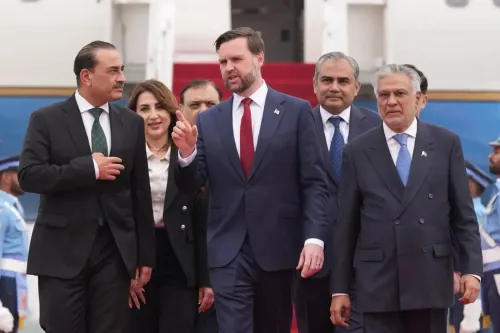
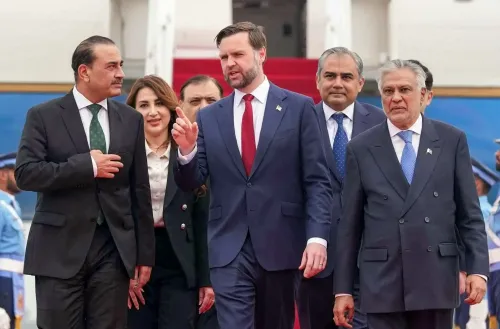
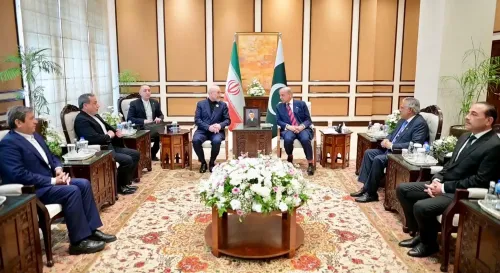
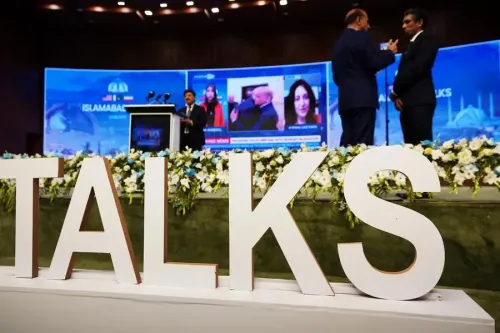
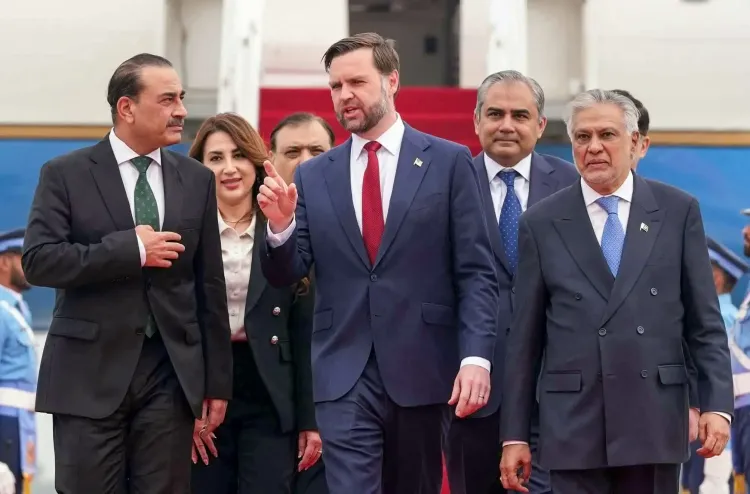
Islamabad, April 15 (NationPress) Despite the recent discussions between the United States and Iran taking place in Islamabad not yielding the expected results, the pursuit of peace should continue via alternative mediation efforts spearheaded by both major and emerging powers, aimed at securing a sustainable and equitable resolution in the Persian Gulf, as highlighted in a recent report.
Citing insights from observers, the report posits that Pakistan's involvement in the peace initiative was primarily that of a facilitator rather than a full-fledged mediator. It elaborates that while a mediator seeks to guide the conflicting parties towards mutual understanding and resolution by providing fresh perspectives, a facilitator serves as a conduit, relaying information between the conflicting sides.
“The ongoing conflict involving the United States and Israel against Iran, which commenced on February 28, has significantly strained the global economy. With Iran effectively curtailing the transit of goods and oil through the Strait of Hormuz, numerous economies have faced energy crises. The conflict has led to substantial loss of life and damage within Iran, while several Gulf nations have also suffered attacks on civilian infrastructure and their economic frameworks,” an article in the Politeia Research Foundation elaborates.
“The ceasefire established on April 7, 2026, coupled with subsequent peace negotiations, has ignited optimism for lasting peace in the Persian Gulf. There has been extensive coverage in global media, particularly in India, regarding Pakistan’s role as a negotiating platform between the US and Iran. Notably, both the US and Iran selected Pakistan as a facilitator within a specific geopolitical framework,” noted Sanjay Pulipaka, Chairperson of the Politeia Research Foundation.
He further pointed out that considering the Strait of Hormuz's vital significance to the Indian economy, any mediation efforts from India would be characterized by active involvement, pushing for unimpeded maritime routes that would benefit many developing nations—thus rendering New Delhi an unlikely first-choice mediator in the current Iran-US conflict.
It was noted that the United States appears to be solidifying its partnership with Pakistan in recent months, potentially to prepare for contingencies stemming from a possible conflict with Iran.
The report underscores that the tensions within the transatlantic alliance, the engagement of Gulf nations in the conflict, and Pakistan’s longstanding commitment to safeguarding and advancing American interests in the region render Islamabad a “fitting candidate for negotiation.”
In highlighting the consequences of Pakistani military operations in Afghanistan, which led to numerous civilian casualties, the report observed that the ongoing war in Iran has resulted in a lack of international scrutiny regarding Pakistan’s actions in Afghanistan.
“There are apprehensions that the optimistic outcomes from the peace discussions in Islamabad may overshadow the violent actions taken by Pakistan in its neighborhood,” the report cautioned.
Point of View
The situation illustrates the delicate balance of power in the Persian Gulf and the broader implications for regional stability and international relations.
NationPress
9 Oct 2026
Frequently Asked Questions
What was the outcome of the US-Iran negotiations in Islamabad?
The negotiations did not achieve the anticipated results, leading to calls for alternative mediation efforts.
Why was Pakistan chosen as a facilitator?
Pakistan was selected due to its strategic geopolitical position and its history of promoting US interests in the region.
What are the implications of the US-Iran conflict on global economies?
The conflict has caused significant stress in the global economy, particularly affecting energy supplies and leading to economic shocks worldwide.