Pakistan played 'mere postman' in Iran-US talks, not mediator: Report
Synopsis
A report by the Afghan Diaspora Network delivers a blunt verdict on Pakistan's much-publicised mediator role in Iran-US negotiations: Islamabad was a postman, not a peacemaker. With Iranian aircraft reportedly sheltered at Nur Khan Air Base and direct talks happening on Pakistani soil yet outside Pakistani influence, the episode exposes the gap between Islamabad's diplomatic ambitions and its actual leverage.
Key Takeaways
The Afghan Diaspora Network report concluded that Pakistan acted as a 'mere postman' rather than a genuine mediator in Iran-US negotiations.
Iran reportedly moved military and civilian aircraft, including a reconnaissance RC-130 , to Pakistan's Nur Khan Air Base to protect them from potential US strikes.
Islamabad acknowledged Iranian aircraft at the base, describing it as 'diplomacy-related logistics' tied to ceasefire discussions.
Pakistan had no influence over post-talk escalations, including US threats of blockades at the Strait of Hormuz .
Both Iran and Israel reportedly distrusted Islamabad , while Pakistan's closeness to the US further limited its credibility as a neutral broker.
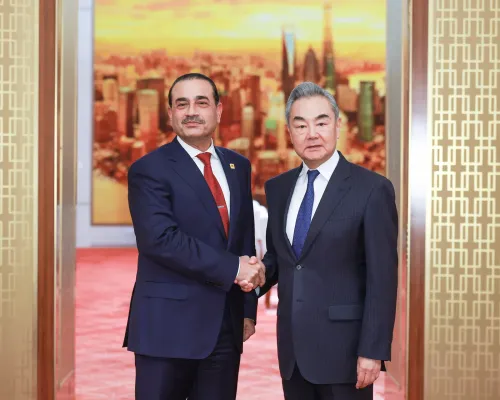
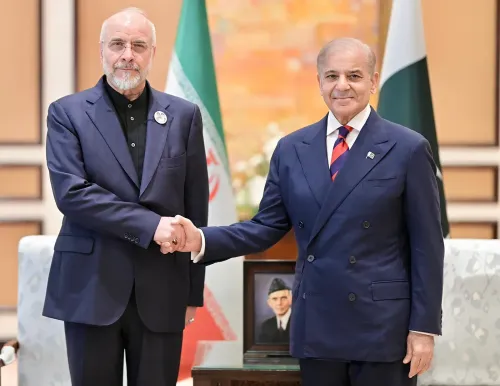
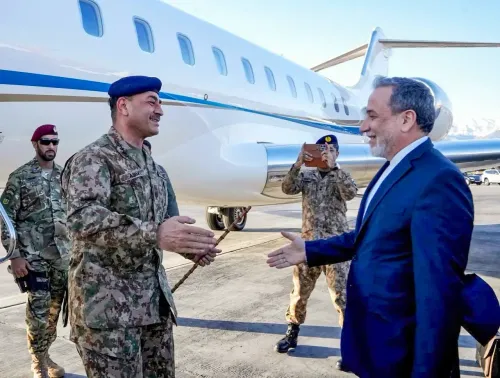
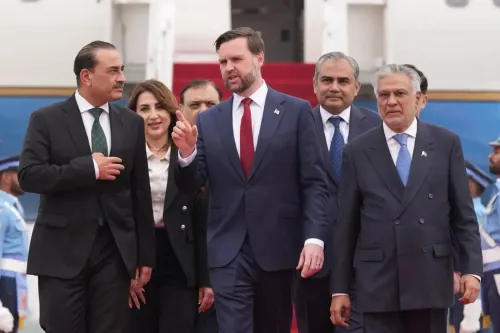
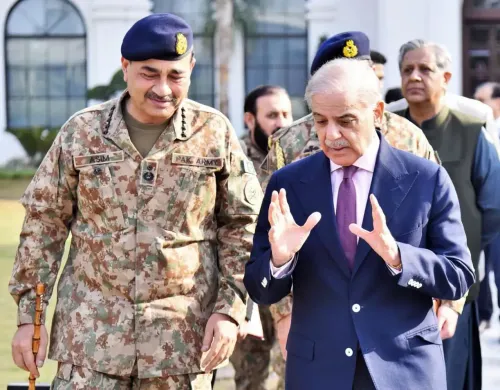
Pakistan's role in the Iran-US diplomatic negotiations was limited to that of a logistical facilitator rather than a genuine mediator, according to a report by the Afghan Diaspora Network published in May 2025. The report, citing anonymous US officials, concluded that Islamabad functioned as little more than a venue provider, unable to influence either party or shape the outcome of talks.
What the Report Found
The Afghan Diaspora Network report argued that Pakistan's self-projection as a diplomatic bridge between Tehran and Washington was, in its own words, 'much farther from the realities.' Direct talks between American and Iranian delegates did take place on Pakistani soil, but Islamabad reportedly carried no weight in the actual negotiations. 'Pakistan was a mere postman in the mediation game,' the report stated.
The report further noted that Pakistan had no discernible influence over post-negotiation escalations, including US threats of blockades at the Strait of Hormuz — a critical flashpoint in the broader conflict. While Islamabad initially appeared as a key stakeholder, subsequent developments exposed the limits of its leverage over either side.
Iranian Aircraft at Pakistani Air Base
Adding a significant dimension to the story, the report — again citing anonymous US officials — claimed that Iran shifted several military and civilian aircraft, including a reconnaissance RC-130 plane, to Pakistan's Nur Khan Air Base during the Iran-US conflict. The apparent purpose, according to the report, was to shield those assets from potential American strikes.
Islamabad acknowledged the presence of Iranian aircraft at the facility but described it as 'diplomacy-related logistics' linked to ceasefire discussions — a framing that critics argue further underlines Pakistan's facilitative, rather than mediating, role.
Why Pakistan's Credibility Was Undermined
The report pointed to a cluster of structural factors that eroded Pakistan's standing as a credible neutral party. These include longstanding allegations of involvement in major international terrorist incidents, complex religious-ideological alignments, a troubled economic record, and a history of failed mediation attempts. According to the report, 'the news flow from the country is usually associated with terrorism, Islamic extremism, coups, inflation, poverty, and financial problems' — making its emergence as a diplomatic centre stage 'unusual' in global eyes.
Both Iran and Israel reportedly harboured mistrust toward Islamabad, while Pakistan's perceived closeness to the US further complicated its ability to bridge the trust gap between the two adversaries.
The Broader Context
This assessment comes amid a period of intense regional volatility, with the US-Israel-Iran conflict reshaping diplomatic alignments across South Asia and the Middle East. Pakistan has historically sought to leverage its geographic and Islamic identity to carve out a mediating role in Muslim-majority conflicts, with mixed results. This latest episode, analysts suggest, reflects a recurring pattern: Islamabad overestimates its diplomatic capital and underdelivers when actual leverage is tested.
Whether Pakistan can rehabilitate its international image sufficiently to play a more substantive role in future negotiations remains an open question, particularly as its domestic economic and security challenges continue to dominate global perceptions.
Point of View
Built over decades of terrorism allegations and ideological contradictions, means it cannot simultaneously court Washington and claim neutrality with Tehran. The sheltering of Iranian aircraft at Nur Khan is particularly telling: it suggests Pakistan was managing competing pressures rather than steering outcomes. This is a familiar pattern — Pakistan positions itself as indispensable, collects the diplomatic optics, and then watches the actual deal get done around it.
NationPress
11 Oct 2026
Frequently Asked Questions
What role did Pakistan play in the Iran-US negotiations?
According to the Afghan Diaspora Network report, Pakistan played a peripheral, logistical role — providing a diplomatic platform for talks rather than influencing their direction or outcome. The report described Islamabad as a 'mere postman in the mediation game,' not a genuine mediator.
Why did Iran move aircraft to Pakistan's Nur Khan Air Base?
The Afghan Diaspora Network report, citing anonymous US officials, claimed Iran shifted military and civilian aircraft — including a reconnaissance RC-130 — to Nur Khan Air Base reportedly to shield them from potential American strikes during the Iran-US conflict. Pakistan acknowledged the aircraft's presence, calling it 'diplomacy-related logistics.'
Why did Pakistan lack credibility as a mediator?
The report cited several factors: longstanding allegations of involvement in major international terrorist incidents, complex religious-ideological alignments, strained diplomatic relations, and a track record of failed mediations. Both Iran and Israel reportedly distrusted Islamabad, and Pakistan's perceived closeness to the US further limited its neutrality.
Did Pakistan have any influence over the outcome of the Iran-US talks?
No, according to the report. Pakistan had no influence over the actual negotiations or post-talk escalations, including US threats of blockades at the Strait of Hormuz. Direct talks between American and Iranian delegates took place in Islamabad, but Pakistan reportedly carried no weight in shaping those discussions.
Who published the report on Pakistan's role in Iran-US mediation?
The report was published by the Afghan Diaspora Network and drew on accounts from anonymous US officials. It assessed Pakistan's diplomatic conduct during the Iran-US conflict and concluded that Islamabad's role was limited to facilitation rather than genuine mediation.