Modi gifts rare Assam tea, Kashmiri crafts to Indonesia's Prabowo in Jakarta
Synopsis
PM Modi's gift selection for President Prabowo wasn't ceremonial filler — each piece was a carefully chosen cultural argument. From a tea produced in just 25 grams a day to a silver plate whose motifs bridge Hindu symbolism shared by both nations, the gifts mapped India's civilisational breadth and quietly advanced New Delhi's ASEAN diplomacy.
Key Takeaways
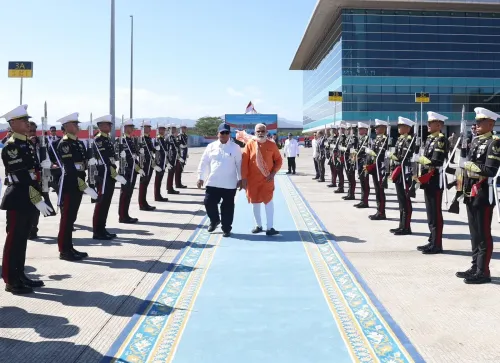
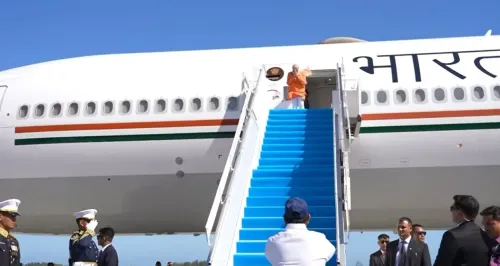
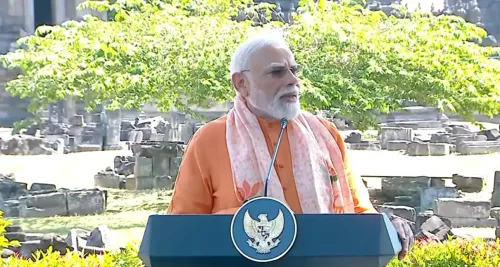
PM Modi visited Jakarta on 12 July and presented artisanal gifts to Indonesian President Prabowo Subianto .
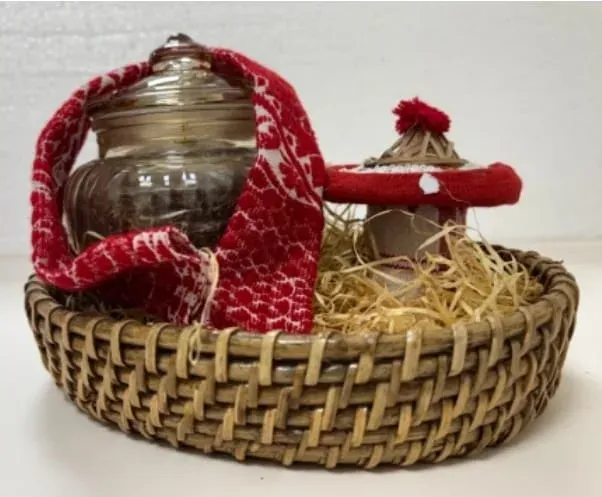
Manohari Gold Tea from Assam — produced at just 25 grams per day — was among the rarest gifts presented.
A Uttarakhand Aipan artwork of Lord Shiva and a Kashmiri Papier-Mache bowl using the Naqashi technique were also gifted to President Prabowo.
A handcrafted Repousse silver plate featuring a lotus medallion and elephants highlighted shared India-Indonesia cultural symbols.
Odisha Ikat (Bandha) was presented to Parliament Speaker Puan Maharani .
The gifts span four Indian states — Assam, Uttarakhand, Kashmir, and Odisha — reflecting the breadth of India's craft heritage.
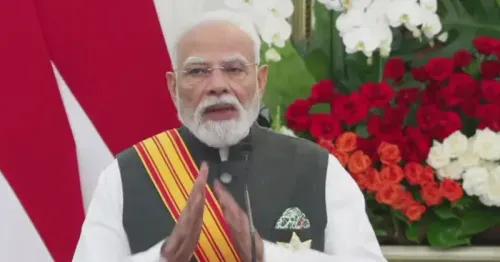
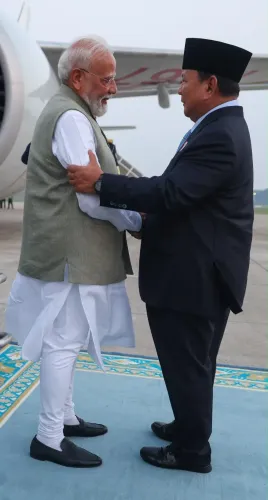
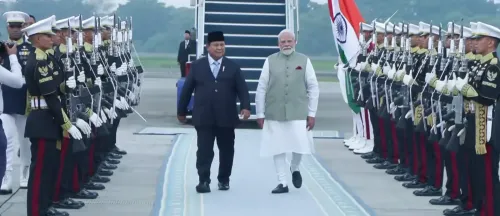
Prime Minister Narendra Modi, during his state visit to Jakarta on 12 July, presented a carefully curated selection of rare Indian teas, traditional handicrafts, and decorative artworks to Indonesian President Prabowo Subianto — each gift chosen to reflect the depth of India's artistic heritage and the warmth of bilateral ties between the two nations.
A Tea of Extraordinary Rarity
Among the most distinctive offerings was Manohari Gold Tea, one of India's most prized speciality teas, sourced from the verdant tea estates of Assam. Produced exclusively from the tender buds of the P126 tea clone, the tea is hand-plucked, hand-rolled, and naturally sun-dried during the second flush season in June, lending it a signature golden hue, a delicate flavour profile, and exceptional quality. What makes it especially remarkable is its scarcity — output is limited to approximately 25 grams per day, placing it among the world's rarest artisanal teas.
Handicrafts Rooted in Centuries of Tradition
Modi also presented President Prabowo with an Uttarakhand Aipan artwork depicting Lord Shiva. Aipan is a traditional folk art form from the Kumaon region of Uttarakhand, historically practised by women during festivals, rendered on floors and walls using a terracotta-red base known as Geru and intricate white patterns crafted from rice paste called Biswar. Drawn entirely freehand, the art carries sacred geometric motifs symbolising cosmic energy and reflects generations of unbroken cultural continuity.
A traditional Kashmiri Papier-Mache bowl was also gifted to the Indonesian president. Handcrafted from processed paper pulp using the classical Naqashi technique, the bowl features intricate hand-painted floral motifs, birds, ornamental patterns, and fine gold detailing, finished with a glossy lacquer for both aesthetic appeal and durability.
Modi additionally presented a traditional Repousse silver decorative plate, crafted entirely by hand using the repousse and chasing techniques. The plate's design centres on a lotus medallion encircled by elephants, stylised trees, and ornate floral borders. The lotus — a symbol of purity and spiritual enlightenment — and the elephant — representing wisdom, strength, and prosperity — are motifs shared across both Indian and Indonesian cultural traditions, making the piece a resonant symbol of the two countries' shared heritage and joint commitment to wildlife conservation.
Gift to Indonesia's Parliament Speaker
Modi separately presented Odisha Ikat — locally known as Bandha — to Indonesia's Parliament Speaker Puan Maharani. Odisha Ikat is a prestigious handloom silk tradition distinguished by its intricate tie-and-dye technique, vibrant designs, and distinctive curvilinear motifs with soft, feathery edges. The fabric's defining characteristic is that its rich patterns appear identically on both sides, a testament to the skill of its weavers.
Diplomacy Through Craft
The selection of gifts carries deliberate diplomatic weight. India and Indonesia share deep historical and cultural connections — from ancient trade routes to shared Hindu-Buddhist heritage still visible in Indonesian temples and art. By presenting objects rooted in Assam, Uttarakhand, Kashmir, and Odisha, Modi underscored the geographic and cultural breadth of India's craft traditions. This comes amid a broader push by New Delhi to deepen ties with ASEAN nations, with Indonesia — the world's largest archipelago nation and a major emerging economy — holding particular strategic significance. The visit signals India's intent to elevate the bilateral relationship beyond trade into a fuller civilisational partnership.
Point of View
And Modi's selection for Jakarta rewards close reading. Choosing a tea produced in 25 grams a day, a folk art form kept alive by women in Uttarakhand's hills, and a silver plate whose elephant motif resonates in both Hindu and Javanese traditions — these are not generic souvenirs but a structured cultural argument. India is signalling to Indonesia that the relationship has civilisational roots that predate modern diplomacy. The inclusion of Odisha Ikat for Parliament Speaker Puan Maharani — herself a significant political figure — extends that message beyond the presidential palace. As India competes with China for influence across ASEAN, soft power through craft and culture is a low-cost, high-visibility tool New Delhi is deploying with increasing sophistication.
NationPress
13 Jul 2026
Frequently Asked Questions
What gifts did PM Modi present to Indonesia's President Prabowo Subianto?
PM Modi presented Manohari Gold Tea from Assam, an Uttarakhand Aipan artwork of Lord Shiva, a traditional Kashmiri Papier-Mache bowl, and a handcrafted Repousse silver decorative plate to President Prabowo Subianto during his Jakarta visit on 12 July.
What makes Manohari Gold Tea so rare?
Manohari Gold Tea from Assam is produced in extremely limited quantities of approximately 25 grams per day, making it one of the world's rarest artisanal teas. It is hand-plucked, hand-rolled, and naturally sun-dried during the second flush season in June, giving it a distinctive golden appearance and delicate flavour.
What is Aipan art and why was it gifted to President Prabowo?
Aipan is a traditional folk art from the Kumaon region of Uttarakhand, historically created by women using a terracotta-red base (Geru) and white rice-paste patterns (Biswar), drawn freehand during festivals. The artwork gifted to President Prabowo depicts Lord Shiva with sacred geometric motifs and was chosen to celebrate the shared cultural and spiritual heritage of India and Indonesia.
What was gifted to Indonesia's Parliament Speaker Puan Maharani?
PM Modi presented Odisha Ikat, locally known as Bandha, to Parliament Speaker Puan Maharani. It is a prestigious handloom silk tradition known for its tie-and-dye technique, vibrant designs, and distinctive curvilinear motifs that appear identically on both sides of the fabric.
What is the significance of the Repousse silver plate gifted by Modi?
The handcrafted Repousse silver plate features a central lotus medallion surrounded by elephants, stylised trees, and ornate floral borders. Both the lotus and the elephant are symbols shared across Indian and Indonesian cultural traditions, making the plate a meaningful tribute to the two countries' enduring friendship and common commitment to wildlife conservation.