Iran Denounces US Ceasefire Proposal as 'Excessive and Unrealistic'
Synopsis
Iran has firmly rejected the US's recent ceasefire proposal, labeling its demands as excessive and unrealistic. As tensions rise in the Middle East, the Iranian Foreign Ministry spokesperson emphasizes the clarity of Iran's position amidst ongoing conflict. Discover how this situation unfolds.
Key Takeaways
Iran rejects US ceasefire proposal as unrealistic.
US demands labeled as excessive by Iranian officials.
No direct negotiations have taken place between the US and Iran.
Recent military actions have escalated tensions significantly.
US President Trump issues threats concerning Iran's energy infrastructure.
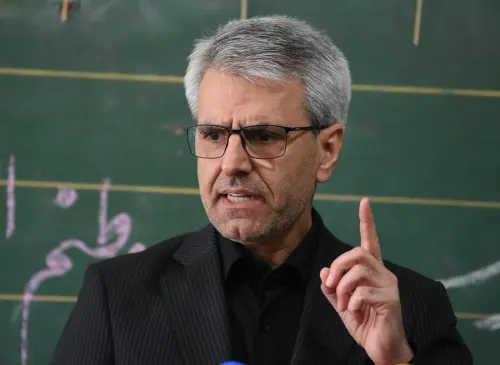
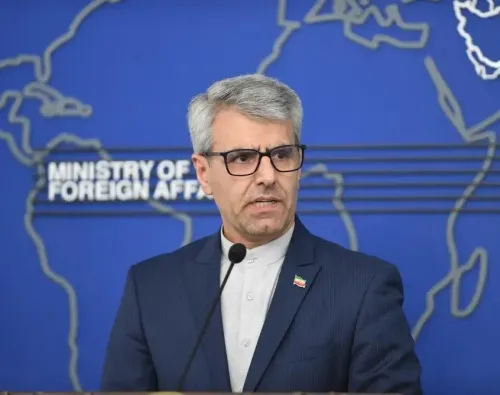
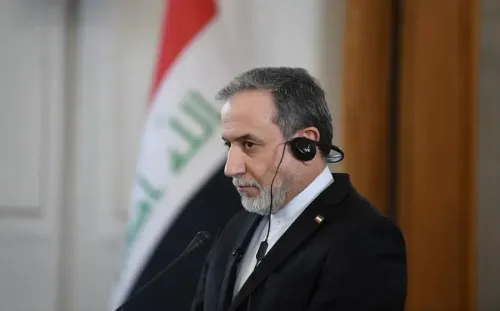
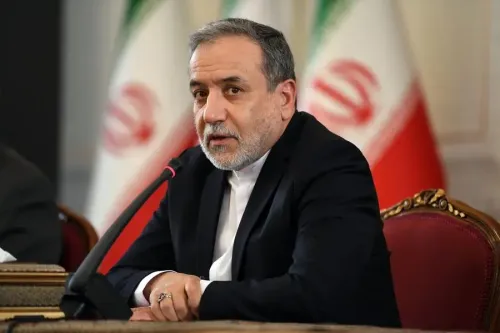
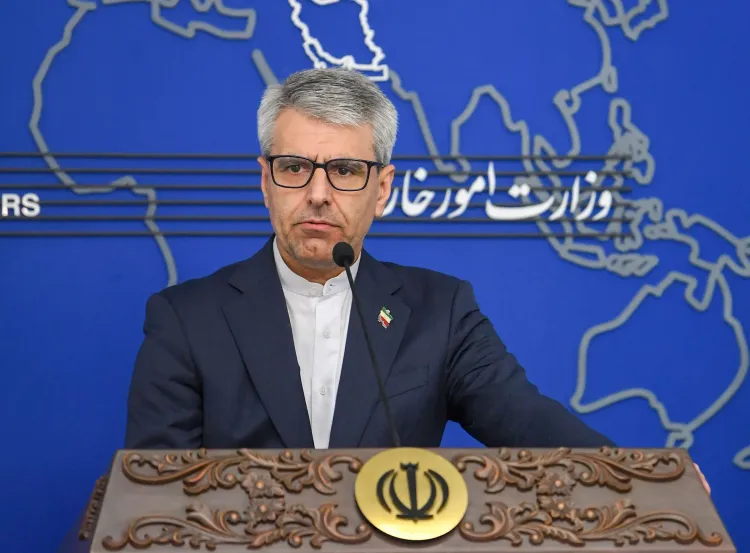
Tehran, March 30 (NationPress) The latest ceasefire proposal from the United States has been labeled as "very excessive, unrealistic, and unreasonable" by Iranian Foreign Ministry spokesperson Esmaeil Baghaei on Monday.
During a press conference in Tehran, Baghaei elaborated on the US's 15-point plan delivered to Iran through intermediaries, aimed at resolving the ongoing conflict in the Middle East.
He emphasized that unlike the US, which frequently shifts its stance and has officials making contradictory statements and actions, Iran's position has remained transparent from the outset. Baghaei stated, "We are fully aware of our desired framework. The materials we've received under various titles, including the '15-point plan,' primarily consist of very excessive, unrealistic, and unreasonable demands."
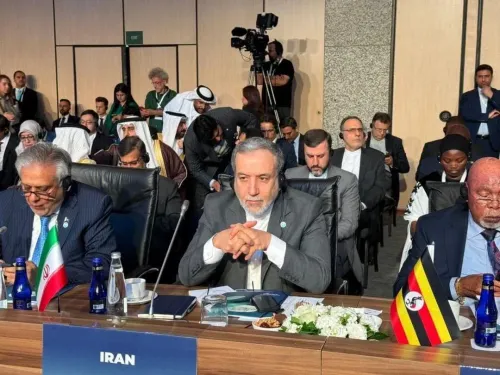
He also confirmed that, as of now, there have been no direct negotiations with the United States. He mentioned that since the last talks in Geneva on February 26, Iran has received messages via certain intermediaries, such as Pakistan, indicating US interest in negotiations.
Baghaei noted that Iran has not participated in meetings conducted by Pakistan involving neighboring countries, and he assured that Iran will communicate its conclusions regarding the plan through appropriate channels in due time.
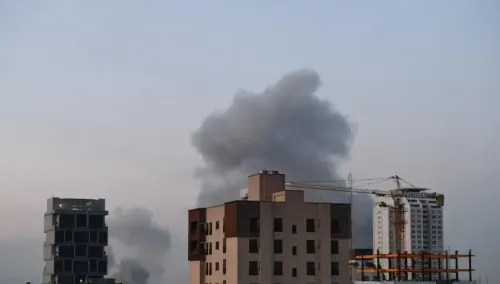
On February 28, both Israel and the United States initiated joint strikes on Tehran and several other Iranian cities, resulting in the death of Iran's former Supreme Leader Ali Khamenei, along with senior military leaders and civilians. In retaliation, Iran executed multiple missile and drone attacks aimed at US and Israeli assets in the region.
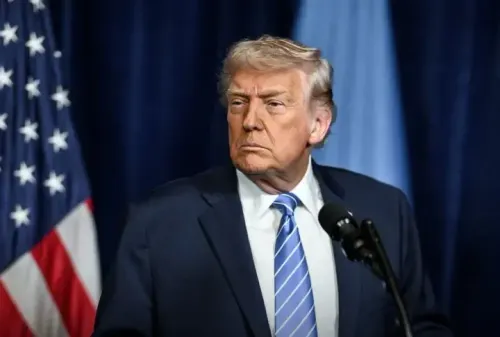
In parallel, US President Donald Trump warned on Monday that the United States might target Iran’s critical energy infrastructure if an agreement is not reached promptly, especially regarding reopening the Strait of Hormuz, even as he claimed discussions were progressing.
Trump stated that the US is engaged in "serious discussions" with what he referred to as a "new and more reasonable regime" in Iran to halt ongoing military actions.
“Significant progress has been made,” he remarked, suggesting that a deal could be finalized soon. However, he issued a stern warning if negotiations were to falter.
“If a deal is not reached soon… and if the Hormuz Strait is not immediately ‘Open for Business,’ we will… completely obliterate all of their Electric Generating Plants, Oil Wells, and Kharg Island,” Trump stated, further adding that “possibly all desalination plants” could also face attacks.
He clarified that these facilities had not been intentionally targeted and described the potential military action as retribution for the lives lost due to Iran's actions during the previous regime’s 47-year rule.
Point of View
Iran's rejection of the US ceasefire proposal raises critical questions about the feasibility of negotiations in the Middle East. As both nations navigate this tense landscape, the implications for regional stability are profound, warranting a careful examination of the diplomatic strategies at play.
NationPress
29 Sept 2026
Frequently Asked Questions
What is the US ceasefire proposal?
The US proposed a 15-point plan aimed at achieving a ceasefire in the ongoing conflict in the Middle East, which Iran has rejected as unrealistic.
Why did Iran reject the US proposal?
Iran's Foreign Ministry spokesperson described the US demands as 'very excessive, unrealistic, and unreasonable,' asserting that Iran's position has been clear throughout.
What actions did Israel and the US take recently?
On February 28, Israel and the US launched joint attacks on multiple Iranian cities, leading to significant casualties, including the death of Iran's former Supreme Leader.
What threats did President Trump make regarding Iran?
President Trump warned that the US could strike Iran's key energy infrastructure if a ceasefire agreement is not reached soon.
What is the current state of US-Iran negotiations?
As of now, there have been no direct negotiations between the US and Iran; communications have been relayed through intermediaries.