US and Iran to Reignite Nuclear Talks Amid Military Escalation
Synopsis
As negotiations resume between the US and Iran, stark differences in their nuclear deal perspectives and a significant increase in US military deployments raise concerns about potential conflict. Both sides are aiming for a diplomatic resolution while navigating these tensions.
Key Takeaways
US and Iran resume nuclear negotiations amid military tensions.
Omani Foreign Minister confirms talks will occur in Geneva.
Significant military buildup reported at US bases in the region.
Iran claims right to uranium enrichment remains a priority.
Both sides acknowledge the need for constructive engagement.
Cairo, Feb 23 (NationPress) The United States and Iran are set to resume their discussions, as their contrasting perspectives on a nuclear agreement and a notable increase in US military presence underscore the precarious nature of these talks and the persistent threat of conflict.
Omani Foreign Minister Sayyid Badr bin Hamad bin Hamood Albusaidi announced on Sunday that the upcoming round of US-Iran talks is scheduled for Thursday in Geneva.
"I am pleased to confirm that the US-Iran negotiations are confirmed for Geneva this Thursday, with a positive drive to go the extra mile toward finalizing the agreement," the minister stated via social media platform X.
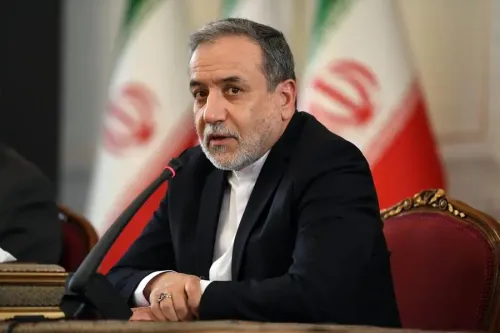
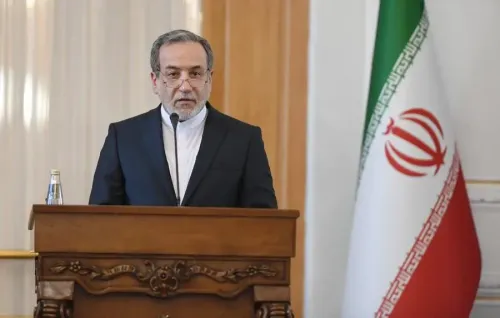
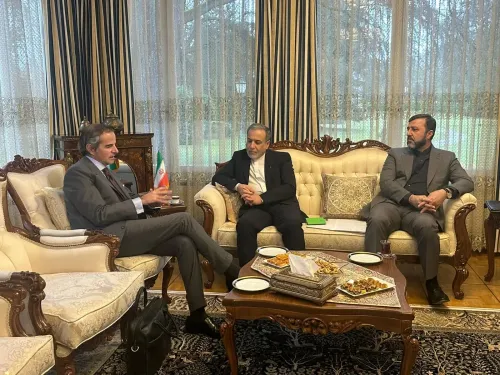
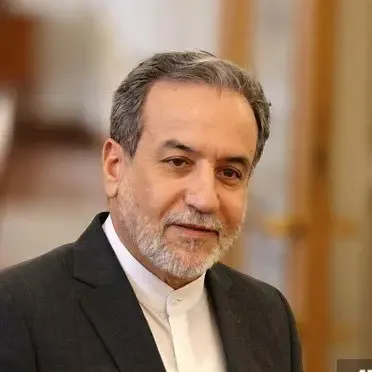
In a phone conversation on Sunday, Iran's Foreign Minister Seyed Abbas Araghchi and the Director General of the International Atomic Energy Agency (IAEA), Rafael Grossi, emphasized the necessity of "constructive engagement and dialogue" as pathways to a lasting nuclear agreement, as reported by Xinhua News Agency citing Iran's official news agency IRNA.
This followed Araghchi's comments on Friday during an interview with MSNBC, where he indicated that Tehran would prepare a draft for a potential nuclear agreement with the United States within two to three days for submission to the US delegation.
During a CBS News interview aired on Sunday, Araghchi reiterated Tehran's readiness to address its differences with Washington through dialogue.
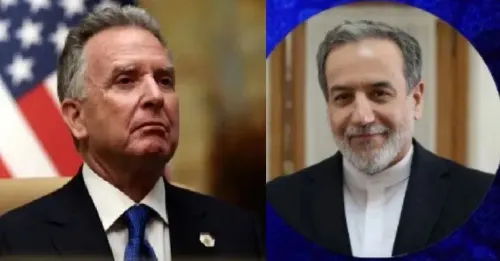
He mentioned the possibility of meeting with President Donald Trump's special envoy Steve Witkoff on Thursday in Geneva, stating that a diplomatic solution between Tehran and Washington is still attainable.
Araghchi explained that the two parties are currently working on elements of a potential deal and might discuss a preliminary draft during their Thursday meeting.
He noted that the agreement should encompass Iran's "peaceful nuclear program" and the lifting of US sanctions against Iran, reinforcing Tehran's determination to uphold its right to uranium enrichment within its national nuclear framework.
Furthermore, Araghchi asserted that Iran and the United States have the potential to reach a nuclear deal that exceeds the one established between Tehran and world powers in 2015, stating that this time, unlike previous negotiations which involved excessive details, it is unnecessary to delve into minutiae. Instead, they can agree on fundamental points to ensure Iran's nuclear program remains peaceful indefinitely, while also facilitating the lifting of additional sanctions.
He also emphasized that Tehran retains the right to self-defense in the event of a US attack, stating, "We must target the American base in the region."
In addition on Sunday, Iranian President Masoud Pezeshkian remarked that recent negotiations with the United States have produced "positive signals," while cautioning that Iran is prepared for "any potential scenario."
"Iran is dedicated to peace and stability in the region. The recent discussions involved the exchange of practical proposals and led to encouraging signals. Nonetheless, we continue to closely observe US actions and have made all necessary preparations for any scenario," Pezeshkian expressed in a social media post.
A senior Iranian official disclosed to Reuters that significant disparities persist between both sides, particularly regarding the "scope and mechanism of sanctions relief."
"Both parties need to establish a logical timeline for lifting sanctions," stated the unnamed official, adding that any proposed roadmap must be "reasonable and based on mutual interests."
Washington has indicated that any agreement with Iran must encompass a prohibition on uranium enrichment, the removal of enriched materials, restrictions on long-range missiles, and a reduction of support for regional proxies. Analysts, however, have suggested that such conditions may be "very challenging" for Iran to accept.
The diplomatic efforts are taking place amid escalating US military pressure. Reports indicate that the United States has recently deployed a significant number of fighter jets and transport aircraft to Muwaffaq Salti Air Base in Jordan, marking a considerable rise in deployment levels compared to the base's typical capacity.
Located approximately 100 km northeast of Amman, the capital of Jordan, Muwaffaq Salti is recognized as a key US military base in the Middle East. Similar military build-ups have also been reported at other US bases in the region.
This development has emerged against the backdrop of rising tensions between Tehran and Washington, following two rounds of indirect nuclear discussions between both sides this month, with the first held in Muscat on February 6 and the second in Geneva on February 17.
Point of View
The ongoing talks between the US and Iran highlight a critical juncture in international diplomacy. While both parties express a willingness to negotiate, the underlying tensions and military maneuvers indicate a fragile path ahead. A balanced approach is needed to foster dialogue and reduce the risk of confrontation.
NationPress
2 Oct 2026
Frequently Asked Questions
What are the key points of the US-Iran nuclear talks?
The talks focus on Iran's nuclear program, lifting US sanctions, and establishing a timeline for sanctions relief while addressing military concerns.
Why is there increased military presence in the region?
The US has deployed additional military assets to strengthen its position amid rising tensions with Iran.
What are the implications of these negotiations?
The outcome of the negotiations could significantly impact regional stability and international relations concerning nuclear proliferation.
How has Iran responded to the US's military actions?
Iran has emphasized its right to self-defense and is prepared to respond if provoked.
What was discussed in the recent talks?
Recent discussions involved practical proposals and potential pathways to a sustainable nuclear agreement.