Iran's Foreign Minister Heads to Geneva for New Indirect Talks with the US
Synopsis
In a crucial diplomatic move, Iran's Foreign Minister Seyed Abbas Araghchi travels to Geneva for indirect talks with the US, aiming for a fair nuclear agreement amidst rising tensions. Both nations have a historic chance to address mutual concerns and interests.
Key Takeaways
Seyed Abbas Araghchi leads Iran's delegation to Geneva for talks with the US .
The negotiations are the third round aimed at reaching a nuclear agreement.
High tensions persist due to a recent US military buildup in the region.
Both sides express a desire for a fair and equitable deal.
There is a potential for an unprecedented agreement if diplomacy is prioritized.
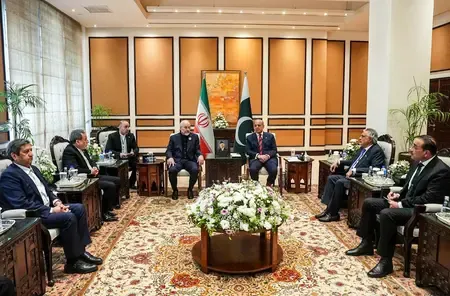
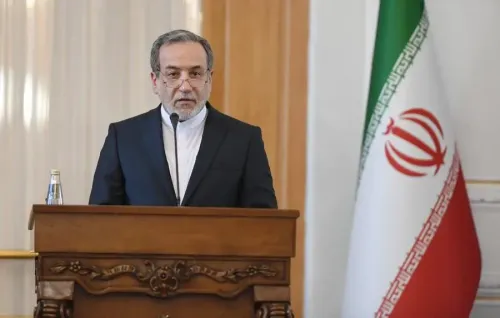
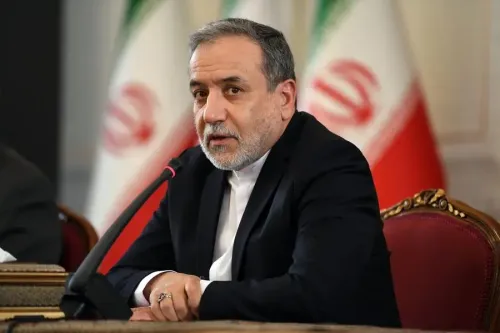
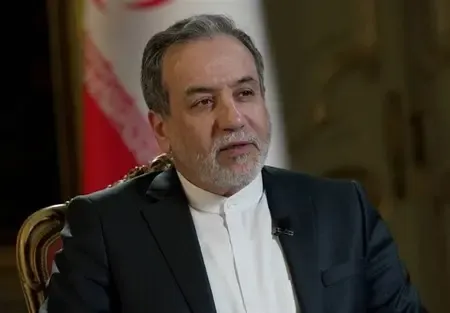
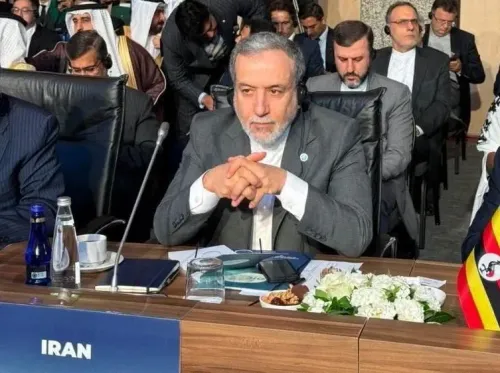
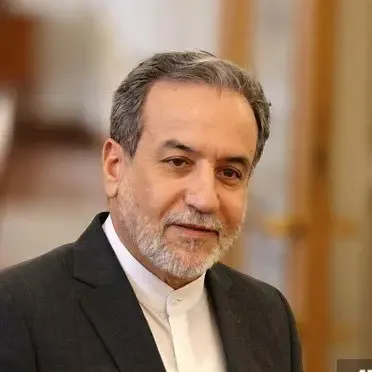
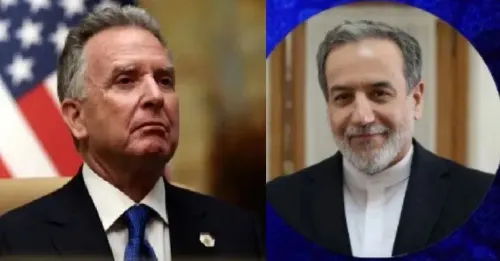
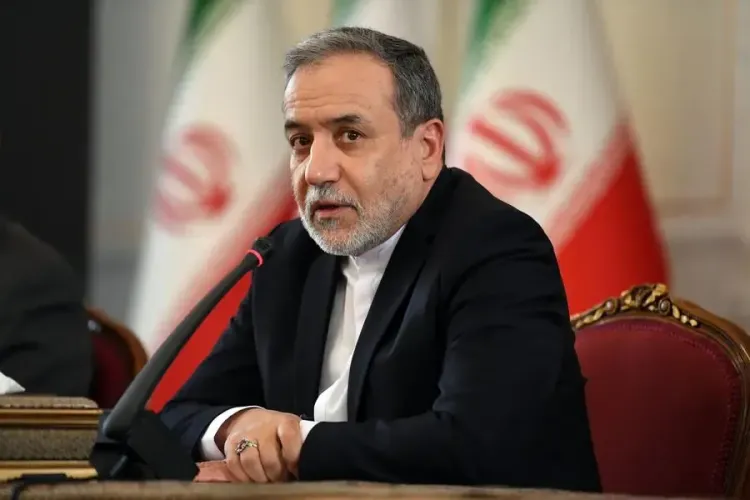
Tehran, Feb 25 (NationPress) Iran's Foreign Minister Seyed Abbas Araghchi embarked on his journey from Tehran to Geneva on Wednesday, leading a political team for a new round of indirect discussions with the United States.
The third phase of nuclear talks between the Iranian and American delegations is slated to occur in the Swiss city on Thursday, according to reports from the semi-official Tasnim news agency.
These negotiations come at a time when tensions are escalating between Iran and the United States, particularly following a recent military buildup by the US in the West Asia region, as reported by Xinhua News Agency.
In a message posted on the social media platform X, Araghchi expressed his country's commitment to re-engage with the United States on Thursday, aiming for a “fair and equitable” agreement within the shortest timeframe possible.
He highlighted that both parties have a “historic opportunity” to reach an unprecedented agreement that could address mutual concerns and protect shared interests, emphasizing that a successful deal is achievable if diplomatic efforts are prioritized.
In parallel, Iran's Parliament Speaker Mohammad Bagher Ghalibaf mentioned on Wednesday that the nation is open to all options regarding the United States, including “dignity-based diplomacy” as well as “regret-inducing defense”, according to the official IRNA news agency.
On Tuesday, US President Donald Trump indicated his preference for resolving the Iranian conflict through diplomatic channels, stating, “But one thing is certain -- I will never allow ... Iran to have a nuclear weapon.”
These recent events follow two earlier rounds of indirect nuclear discussions between the US and Iran this month, with the first meeting taking place in Muscat on February 6 and the second in Geneva on February 17.
Additionally, Iran's Deputy Foreign Minister for Political Affairs Majid Takht Ravanchi stated on Tuesday that Iran is ready to do “whatever necessary” to secure a nuclear agreement with the US.
He added, “We want to do whatever necessary to make it (an agreement) happen. We will enter the negotiating room in Geneva with all sincerity and goodwill.” Ravanchi expressed hope that the goodwill shown by Iran would be reciprocated by the Americans, asserting that if there is political will on all sides, “I believe that the deal can be reached as soon as possible.”
Point of View
The ongoing negotiations between Iran and the United States represent a pivotal moment for both nations. The outcome of these talks could influence not just bilateral relations but also the broader geopolitical landscape in the region. It is essential to prioritize diplomacy to achieve a mutually beneficial agreement.
NationPress
29 Sept 2026
Frequently Asked Questions
What is the purpose of the Iran-US talks in Geneva?
The talks aim to negotiate a nuclear agreement between Iran and the United States, addressing mutual concerns and interests.
What has Iran's Foreign Minister stated about the negotiations?
Seyed Abbas Araghchi expressed a commitment to achieving a fair and equitable deal as quickly as possible.
What are the implications of the US military buildup in West Asia?
The military buildup has heightened tensions between Iran and the United States, influencing the context of the ongoing negotiations.
What did Iran's Parliament Speaker say regarding options with the US?
Mohammad Bagher Ghalibaf stated that Iran is open to all options, including dignity-based diplomacy and defensive measures.
What is the significance of these negotiations?
These negotiations represent a historic opportunity for both nations to potentially resolve longstanding issues related to nuclear capabilities.