Iran Dismisses US Ceasefire Proposal, Presents 10-Point Plan for Lasting Peace
Synopsis
In a bold rejection of a US peace initiative, Iran has articulated a 10-point plan demanding a permanent resolution to the ongoing conflict. This move underscores the complexities of war in the region and sets the stage for further geopolitical tension.
Key Takeaways
Iran has officially rejected the US ceasefire proposal.
In its place, Iran introduced a 10-point plan for lasting peace.
Key demands include ending regional conflicts and lifting sanctions.
Iran's rejection is based on past experiences and the need for security.
This development could escalate tensions in the region.
Tehran, April 7 (NationPress) In a decisive move, Iran has turned down a 15-point peace proposal from the United States, opting instead for a comprehensive cessation of hostilities, as reported by the official news agency IRNA.
Iran's response came in the form of a 10-point framework, which reflects its historical experiences as grounds for rejecting the ceasefire, according to Xinhua news agency.
This document delineates Iran's stipulations, which encompass the cessation of regional conflicts, ensuring safe transit through the Strait of Hormuz, rebuilding war-impacted regions, and the removal of international sanctions.
IRNA noted that this response was prompted by recent events in Iran's western and central territories, as well as the failure of a US-led aerial operation. President Donald Trump had previously extended a deadline and modified earlier threats.
During a press briefing on Monday, Trump characterized Iran's 10-point response as a "noteworthy step," yet maintained it fell short of expectations.
Also on Monday, Esmaeil Baghaei, spokesperson for Iran's Foreign Ministry, asserted that a ceasefire would merely afford adversaries the opportunity to regroup and perpetrate further transgressions, claiming "no rational individual" would consent to such terms.
In late March, US media outlets reported that Washington had conveyed a 15-point proposal to Iran via Pakistan in an effort to terminate the war. Iran subsequently dismissed the proposal as "excessive and disconnected from battlefield realities."
The Islamic Republic has stipulated numerous conditions for peace, including ceasing US and Israeli hostilities, establishing preventive measures against future assaults, compensating for war-related damages, halting fighting across all fronts in West Asia, and acknowledging Iran's sovereignty over the Strait of Hormuz.
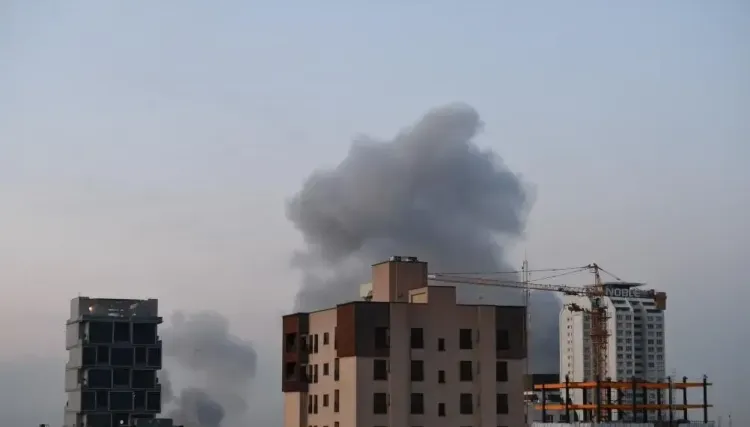
On February 28, Israel and the United States initiated joint offensives against Tehran and other Iranian cities, resulting in the deaths of Supreme Leader Ali Khamenei, high-ranking military officials, and civilians. In retaliation, Iran executed missile and drone strikes targeting US and Israeli assets throughout the Middle East.
Point of View
It is crucial to acknowledge the escalating tensions surrounding Iran's rejection of the US ceasefire offer. This situation reflects broader geopolitical dynamics and the complex realities of war. While Iran's demands for peace are articulated, the implications for regional stability remain uncertain. The pursuit of a diplomatic resolution continues to be paramount.
NationPress
12 Oct 2026
Frequently Asked Questions
What was Iran's response to the US peace proposal?
Iran rejected the US's 15-point peace proposal and instead presented its own 10-point plan calling for a permanent end to the conflict.
What are the main demands in Iran's 10-point plan?
Iran's plan includes demands such as ending regional conflicts, ensuring safe passage through the Strait of Hormuz, reconstructing war-affected areas, and lifting international sanctions.
Why did Iran reject the US ceasefire?
Iran cited past experiences and the need to prevent future hostilities as reasons for rejecting the ceasefire, believing it would allow opponents to regroup.
What recent events influenced Iran's stance?
Iran's decision was influenced by recent developments in its western and central regions as well as the recent failure of a US-led operation.
What implications does this have for regional stability?
The rejection of the ceasefire proposal and Iran's demands could lead to increased tensions and further conflict in the region.