US Proposes Comprehensive 15-Point Plan to Resolve Conflict with Iran

Synopsis
The U.S. has unveiled a detailed 15-point proposal aimed at ending hostilities with Iran and dismantling its nuclear program, signaling a potential shift towards negotiations as President Trump expresses optimism about Tehran's willingness to engage in talks.
Key Takeaways
15-point plan proposed by the U.S. to end the war.
Demands include dismantling nuclear facilities in Iran.
Calls for a one-month ceasefire and halting enrichment activities.
Proposal involves lifting sanctions in exchange for compliance.
Diplomatic efforts are being facilitated by intermediaries like Pakistan.
Washington, March 25 (NationPress) The United States has proposed a comprehensive 15-point plan aimed at concluding the ongoing war and dismantling Iran's nuclear program, according to media sources, as President Donald Trump asserted that Tehran “is eager to negotiate a deal.”
This proposal, communicated through intermediaries, presents a framework designed to cease hostilities, limit Iran’s nuclear pursuits, and modify its actions in the region, as reported by officials in The Wall Street Journal.
The plan demands that Iran dismantle its three primary nuclear sites, cease the enrichment of nuclear materials within its borders, and suspend its ballistic missile initiatives. Additionally, it seeks to restrict Tehran’s backing of proxy groups and ensure the unimpeded reopening of the Strait of Hormuz, the report elaborates.
Included in the proposal is a one-month ceasefire, along with a commitment from Iran to renounce any nuclear weapons ambitions. It stipulates that Tehran must terminate enrichment activities and transfer all enriched materials to the International Atomic Energy Agency within a specified timeframe.
The plan further calls for the decommissioning and destruction of the Natanz, Isfahan, and Fordow nuclear facilities, while granting the UN nuclear watchdog comprehensive access to information within Iran.
On the regional level, the initiative encourages Iran to renounce its proxy tactics and cease the funding and arming of such factions. Provisions to maintain the Strait of Hormuz as a free maritime corridor are also included.
Issues regarding missiles would be addressed subsequently, focusing on limits concerning their quantity and range. The framework also proposes confining Iran’s military capabilities strictly to self-defense.
In exchange, Iran would witness the lifting of all nuclear-related sanctions. Furthermore, the United States would assist in developing a civilian nuclear program in Bushehr for electricity generation while overseeing it, as per officials' statements.
The proposal also plans to eliminate the “snapback” mechanism that permits the automatic reinstatement of sanctions.
This framework largely mirrors prior demands articulated during the Trump administration before the conflict escalated on February 28, as detailed by The Wall Street Journal.
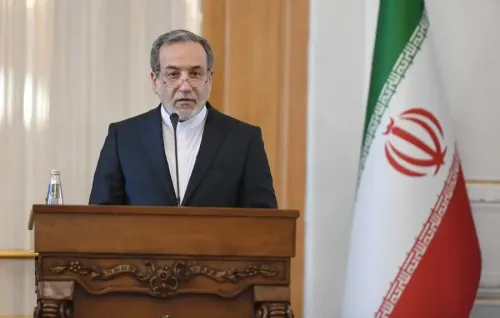
Delivered via intermediaries, Pakistan has emerged as a significant conduit in these diplomatic efforts, alongside Turkey and Egypt, both of which are advocating for talks between U.S. and Iranian representatives, according to reports from The Wall Street Journal and The New York Times.
Despite these diplomatic overtures, significant gaps remain between the parties, with Iran persisting in regional assaults, including attacks on Israel, Kuwait, Bahrain, and Saudi Arabia, the reports highlight.
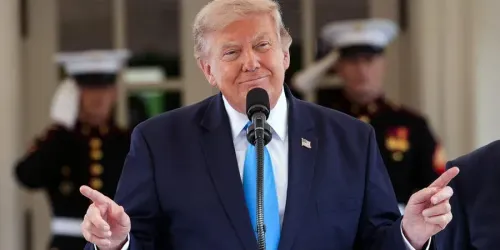
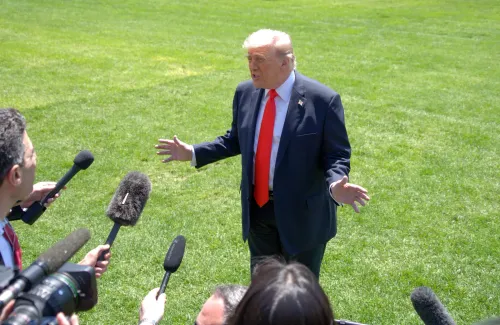
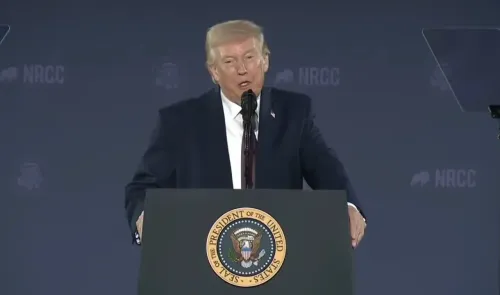
President Trump maintained an optimistic outlook on Tuesday, asserting that Iran was open to negotiations. “They’d like to make a deal,” he remarked to reporters during an Oval Office event. “They’ve committed to never developing a nuclear weapon.”
Additionally, he mentioned that discussions were underway. “We’re engaging with the right leaders, and they have a strong desire to finalize a deal,” Trump stated, as reported by The Washington Post.
This diplomatic initiative unfolds amidst ongoing military tensions and economic pressures linked to a conflict that has now entered its fourth week, as reported by The New York Times.
Point of View
The U.S. administration's 15-point plan signifies a critical diplomatic effort to de-escalate tensions with Iran. While the potential for negotiations is promising, the stark differences in both parties' positions highlight the complexity of achieving lasting peace in the region.
NationPress
23 Sept 2026
Frequently Asked Questions
What does the U.S. 15-point plan entail?
The plan includes demands for Iran to dismantle its nuclear facilities, cease enrichment activities, and stop funding proxy groups, among other stipulations.
How does Iran respond to this proposal?
Iran has yet to formally respond, but there are indications of ongoing regional tensions despite the U.S. proposal for dialogue.
What are the implications of the U.S. plan?
If accepted, the plan could lead to the lifting of sanctions on Iran and a potential shift in geopolitical dynamics in the Middle East.
Who are the intermediaries involved in the negotiations?
Pakistan, Turkey, and Egypt have emerged as key intermediaries facilitating the dialogue between the U.S. and Iran.
What is the significance of the Strait of Hormuz in this context?
The Strait of Hormuz is a vital maritime route for global oil shipments, and maintaining its openness is crucial for international trade stability.