Iran's Strategic 10-Point Plan in US Negotiations
Synopsis
Iran's Supreme National Security Council clarifies that the recent two-week ceasefire with the US is not an end to the war, but a platform for negotiations on a detailed 10-point plan that includes critical demands for national sovereignty and rights.
Key Takeaways
Iran's 10-point proposal emphasizes national sovereignty and rights.
The ceasefire does not signify the end of the conflict.
Negotiations are scheduled to commence in Islamabad.
Iran seeks a binding UN resolution to solidify agreements.
Public support for the negotiations is encouraged by Iranian leadership.
Tehran, April 8 (NationPress) The Supreme National Security Council of Iran announced on Wednesday that the recently declared two-week ceasefire with the United States should not be interpreted as a conclusion to the ongoing conflict, as discussions regarding the specifics of its 10-point proposal are still underway.
As reported by Iran's semi-official Mehr News Agency, the critical points of the proposal include: a US pledge to refrain from further hostile actions; maintaining Iranian governance over the Strait of Hormuz; acknowledgment of Iran's rights to nuclear enrichment; removal of all primary sanctions; removal of all secondary sanctions; repeal of all United Nations Security Council resolutions against Iran; and cancellation of all resolutions from the International Atomic Energy Agency Board of Governors concerning Iran.
Furthermore, the proposal demands compensation for the damages Iran suffered during the conflict; withdrawal of US military personnel from the region; and an end to hostilities across all fronts, including Lebanon, as reported by Xinhua through Mehr News Agency.
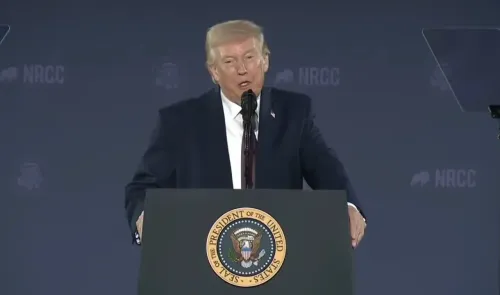
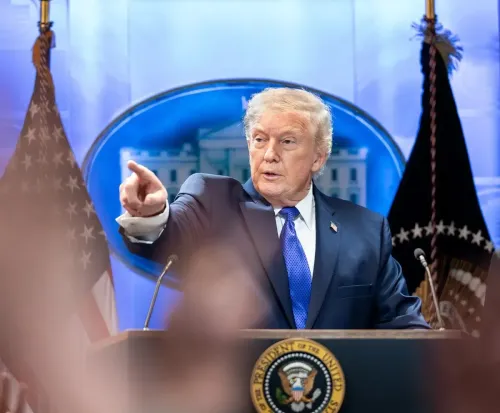
The Council also confirmed a two-week ceasefire, which was initially announced by US President Donald Trump.
Significant elements of the statement emphasize that Iran has secured a major victory by compelling the United States to acknowledge its 10-point proposal, which encompasses regulated transit through the Strait of Hormuz and the urgent need to conclude the war against all components of the "axis of resistance."
According to Iranian sources, the United States has accepted the 10-point proposal as a foundation for the forthcoming negotiations.
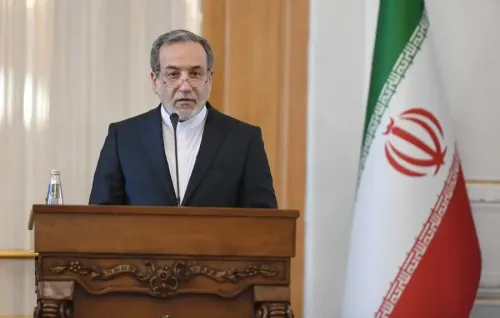
The statement further indicated that under the direction of Supreme Leader Mojtaba Khamenei and the endorsement of the Supreme National Security Council, Iran is set to engage in discussions with the United States in Islamabad to finalize the terms of the ceasefire.
The negotiations, characterized by a "complete lack of trust" towards the American side, are scheduled to commence on Friday, April 10, in Islamabad, with Iran allocating two weeks for these discussions. This timeframe may be extended if both parties agree, as stated.
Additionally, Iran has called for a binding resolution from the UN Security Council that would solidify all agreements with the United States into enforceable international law.
The ceasefire, according to the statement, does not signify the conclusion of the conflict or the negotiations surrounding the 10-point proposal.
The statement urged the Iranian public to place their trust in and support the negotiation process with the United States, which is being overseen by the supreme leader and the highest echelons of the governmental system.
Reports from local media indicate that many Iranians celebrated the announcement of the two-week ceasefire. In Tehran, crowds reportedly gathered outside their homes waving national flags in celebration, as covered by PressTV.
Point of View
And the international community watches closely as negotiations unfold.
NationPress
12 Oct 2026
Frequently Asked Questions
What is the significance of Iran's 10-point proposal?
Iran's 10-point proposal outlines critical demands for national sovereignty, including the cessation of US aggression, control over the Strait of Hormuz, and lifting sanctions.
Why is the ceasefire not seen as an end to the war?
The ceasefire is viewed as a temporary measure that allows for negotiations on Iran's demands, implying that the conflict may continue until an agreement is reached.
When will the negotiations with the US take place?
Negotiations are set to begin on April 10 in Islamabad, with an initial timeframe of two weeks, potentially extendable by mutual agreement.
What role does the Supreme Leader play in these negotiations?
The Supreme Leader, Mojtaba Khamenei, oversees the negotiation process, ensuring it aligns with Iran's national interests.
How are Iranians reacting to the ceasefire announcement?
Many Iranians have taken to the streets to celebrate the ceasefire, showcasing national pride and support for the government's stance.