President Murmu Hoists Flag for Nashik Simhastha Kumbh 2027
Synopsis
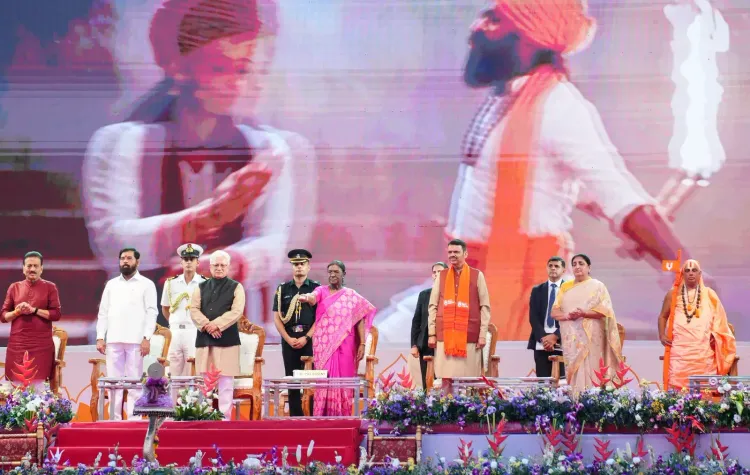
President Draupadi Murmu led the sacred flag-hoisting ceremony for the Nashik-Trimbakeshwar Simhastha Mahakumbh Mela 2027 at Ramtirth, Nashik, alongside Governor Jishnu Dev Varma and CM Devendra Fadnavis, unveiling the 'Har Har Gange' theme song, the official Kumbh website and a special postal stamp.
Key Takeaways
Draupadi Murmu performed the flag-hoisting ceremony for the Nashik-Trimbakeshwar Simhastha Mahakumbh Mela 2027 at Ramtirth, Nashik on 1 November 2026 .
The theme song 'Har Har Gange' was officially unveiled at the event.
The Nashik-Trimbakeshwar Kumbh Mela Pradhikaran's official website — simhasthamahakumbh.maharashtra.gov.in — was launched for public access.
A special commemorative postal stamp for the 2027 Kumbh was released at the ceremony.
Governor Jishnu Dev Varma , CM Devendra Fadnavis , Deputy CMs Eknath Shinde and Sunetra Ajit Pawar , and saints from various akharas attended.
The Nashik Simhastha follows a 12-year cycle ; the previous edition was held in 2015 .
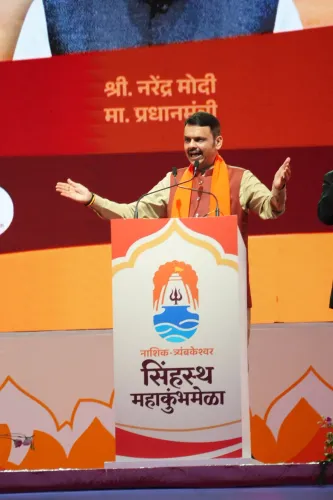
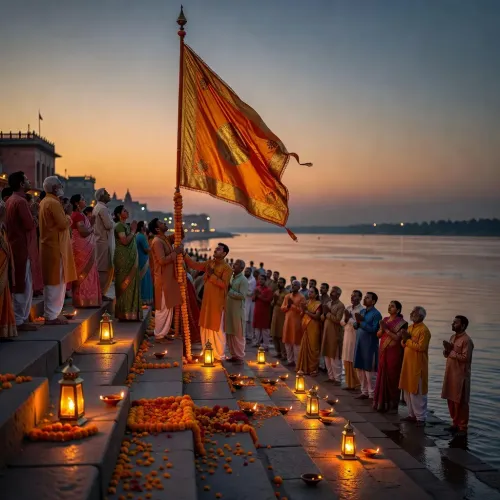
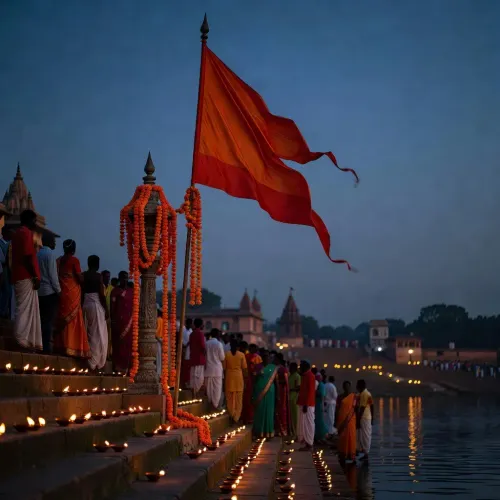
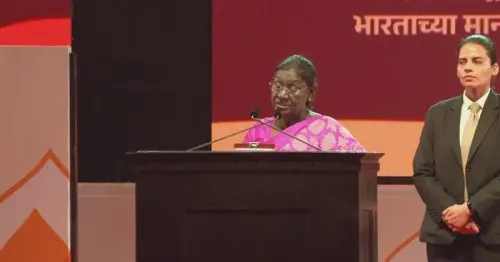
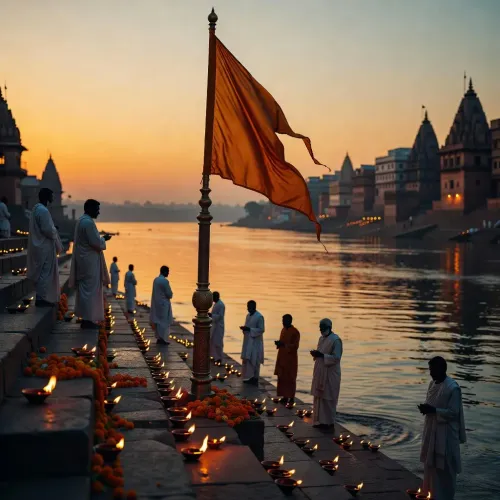
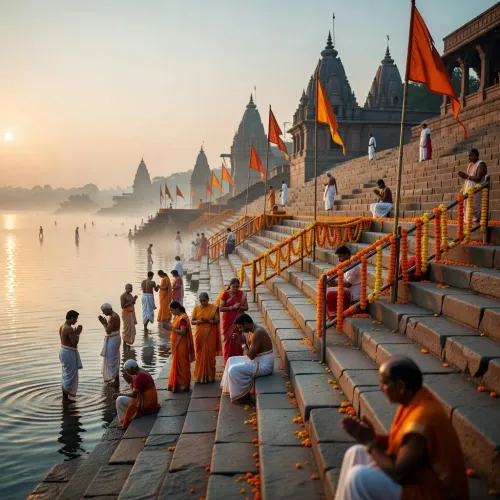
Twelve years is a long time to wait — and Maharashtra made sure the countdown to the Nashik-Trimbakeshwar Simhastha Mahakumbh Mela 2027 began with full constitutional weight. President Smt. Draupadi Murmu performed the sacred flag-hoisting ceremony at Ramtirth, Nashik on Sunday, 1 November 2026, formally launching a series of initiatives that signal the state's serious intent to host one of Hinduism's most consequential pilgrimages.
What was unveiled at Ramtirth
Three distinct launches marked the occasion. The theme song 'Har Har Gange' — the devotional signature that will accompany the 2027 gathering — was unveiled before the assembled dignitaries. The official website of the Nashik-Trimbakeshwar Kumbh Mela Pradhikaran went live at simhasthamahakumbh.maharashtra.gov.in, giving pilgrims, planners and the wider public a single digital gateway to the event. A special commemorative postal stamp was also released, embedding the Kumbh in India's philatelic record.
Governor Jishnu Dev Varma and Chief Minister Devendra Fadnavis stood alongside the President for the ceremony. Deputy Chief Ministers Eknath Shinde and Sunetra Ajit Pawar, Minister Girish Mahajan, and saints and mahants from various akharas were also present — a deliberate show of both political and spiritual unity around the event.
The 12-year cycle that makes Simhastha rare
The Nashik-Trimbakeshwar Kumbh Mela — called Simhastha because it occurs when Jupiter transits Leo — runs on a strict 12-year astrological cycle. The last edition was held in 2015, drawing tens of millions of pilgrims to the banks of the Godavari. The 2027 edition will be the next, and the scale of preparation that Indian state governments invest in these events — dedicated authorities, branding campaigns, infrastructure overhauls — reflects just how enormous the logistical and economic stakes are.
Maharashtra has followed the same playbook used for the Prayagraj and Ujjain editions: establish a statutory authority early, build the digital infrastructure, and use ceremonial milestones to generate momentum and public trust. The Nashik-Trimbakeshwar Kumbh Mela Pradhikaran is now the nodal body responsible for translating that intent into ground reality.
What pilgrims and planners should watch next
The flag-hoisting and launches are the symbolic opening act. The harder work — crowd-management blueprints, infrastructure upgrades along the Godavari ghats, accommodation planning for millions of pilgrims, and budget allocations — lies ahead. With the President herself presiding over the curtain-raiser, the state has set a high bar for the execution that must follow.
For Nashik, a city whose identity is inseparable from the Kumbh, 2027 is not just a religious event. It is an economic, logistical and reputational test — and the clock, after Sunday's ceremony, has officially started.
Point of View
Signalling that the Mahayuti government in Maharashtra wants the 2027 Kumbh to carry the same prestige as the Prayagraj edition. For CM Fadnavis, the early ceremonial launch is also politically useful: it plants his administration's flag on a high-visibility, cross-community event well before the pilgrimage year arrives. The simultaneous launch of a dedicated website and a postal stamp suggests the state has learned from past Kumbhs that branding and digital access are now as critical as ghat infrastructure. The real test — budget, crowd safety, and inter-agency coordination — will define whether the symbolism of Sunday translates into a well-run 2027 gathering.
NationPress
1 Nov 2026
Frequently Asked Questions
When is the Nashik Trimbakeshwar Simhastha Kumbh Mela 2027?
The Nashik-Trimbakeshwar Simhastha Mahakumbh Mela is scheduled for 2027. It occurs every 12 years when Jupiter transits Leo; the previous edition was held in 2015.
What happened at the Nashik Kumbh Mela flag-hoisting ceremony on 1 November 2026?
President Draupadi Murmu performed the sacred flag-hoisting at Ramtirth, Nashik. Three initiatives were launched: the 'Har Har Gange' theme song, the official Kumbh website, and a special commemorative postal stamp.
What is the official website for Nashik Simhastha Kumbh 2027?
The official website of the Nashik-Trimbakeshwar Kumbh Mela Pradhikaran is simhasthamahakumbh.maharashtra.gov.in, launched on 1 November 2026.
Who attended the Nashik Kumbh Mela 2027 flag-hoisting ceremony?
President Draupadi Murmu presided over the ceremony. Also present were Governor Jishnu Dev Varma, CM Devendra Fadnavis, Deputy CMs Eknath Shinde and Sunetra Ajit Pawar, Minister Girish Mahajan, and saints from various akharas.
What is Simhastha Kumbh Mela and why is it held at Nashik?
Simhastha is the name given to the Kumbh Mela held at Nashik-Trimbakeshwar on the banks of the Godavari river. It occurs every 12 years based on Jupiter's astrological position in Leo and is one of the four major Kumbh Mela sites in India.