Pakistan's Military: A Mercenary-Like Force Amid Global Tensions
Synopsis
A recent report questions Pakistan's credibility as a mediator in the U.S.-Iran conflict, highlighting its military's complex history of dual roles and past nuclear ties with Iran. As tensions rise, the implications for Pakistan's domestic stability and regional influence are significant.
Key Takeaways
Pakistan's military operates beyond conventional roles.
Historical actions complicate its mediation efforts.
Domestic unrest may arise from geopolitical tensions.
Shia representation in the military is a concern.
Geopolitical shifts in Iran could impact Pakistan significantly.
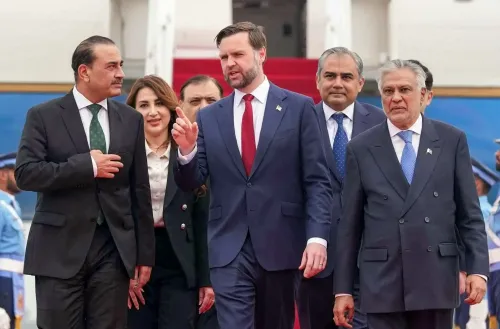
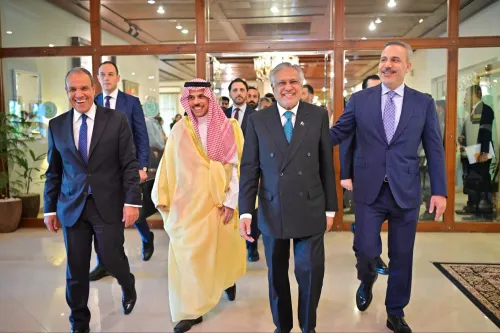
Tel Aviv, April 5 (NationPress) Pakistan's ambitions to portray itself as a neutral mediator amid the escalating tensions between the United States, Israel, and Iran have faced criticism, as outlined in a report from The Times of Israel. This report emphasizes Islamabad's intricate historical role and the strategic contradictions it embodies.
Highlighting enduring geopolitical trends, the article indicates that Pakistan's military establishment frequently adopts a dual role in international affairs.
Quoting journalist Hasan Mujtaba from The Times of Israel, he remarked, "Most nations maintain a military, but in Pakistan, the military governs the country," suggesting that the institution often operates outside the boundaries of a standard national army.
Mujtaba elaborated, "Pakistan's military has consistently acted as a double player in the realm of global geopolitics. Instead of serving as a traditional national army, it has frequently functioned as a mercenary entity, pursuing changing alliances and interests."
Addressing the current geopolitical climate, the report reveals that Pakistan has allegedly positioned itself as a mediator in a potential conflict between the U.S. and Iran. However, it warns that historical actions complicate this role, particularly allegations that Pakistan, under Mirza Aslam Baig's leadership, provided nuclear technology to Tehran.
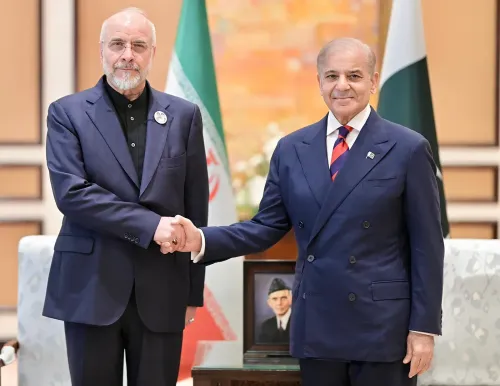
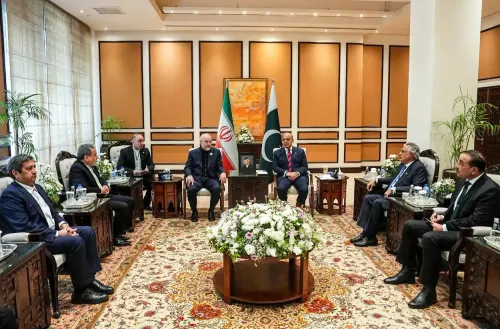
In the framework of a potential U.S.–Israel conflict with Iran, the report states that Pakistan's military has sought to act as a 'mediator' between the United States and Iran. However, history complicates this endeavor. It was during General Mirza Aslam Baig's era that Pakistan purportedly shared nuclear capabilities with Iran. Concurrently, Pakistan holds sway over Sunni factions in Iranian Balochistan while sustaining cooperative relations with Iran's Shia government.
The article also underscores internal contradictions within Pakistan, indicating that Shia groups, such as the Imamia Students Organization and Zainbian, have sometimes been associated with violent protests triggered by U.S.–Israel tensions involving Iran. Such unrest has reportedly impacted both civilians and security forces.
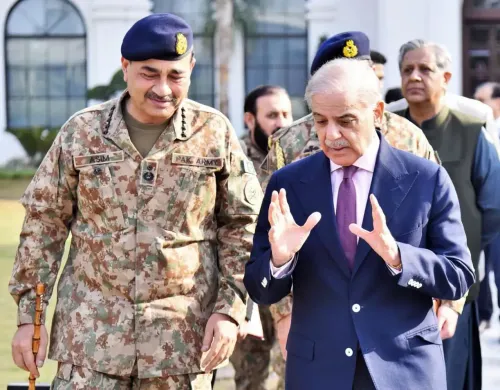
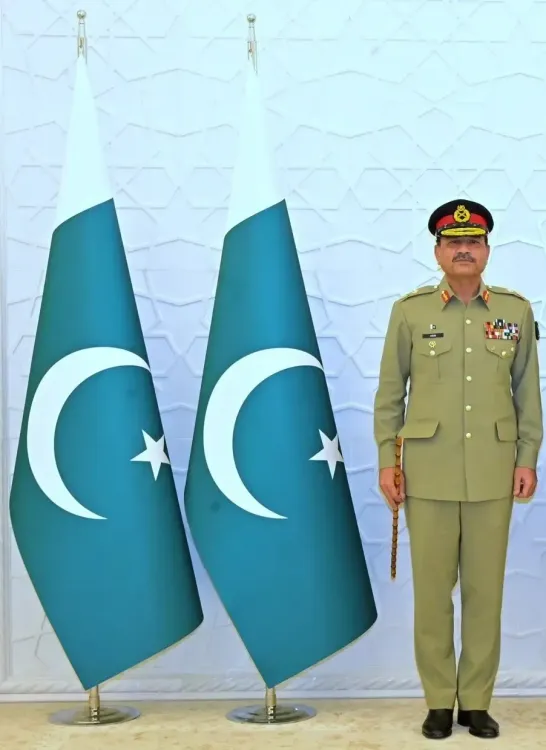
According to the report, these incidents prompted Pakistan's Army Chief Asim Munir to issue warnings to Shia clerics against escalating violence, emphasizing that such behavior would be unacceptable and suggesting those who "admire Iran should consider relocating there."
The report also mentions the perceived underrepresentation of Shia Muslims within the Pakistani military, asserting that this disparity has historically led to grievances. It highlights that the last prominent Shia army chief was Musa Khan in the 1960s, and suggests that escalating regional conflicts could exacerbate discontent within military ranks.
In a historical context, the article notes that Pakistan has often capitalized on global crises while maintaining formal allegiance to the United States. It cites the Korean War as an instance where segments of Pakistan's elite reportedly thrived through exports of jute and cotton from what was then East Pakistan, now known as Bangladesh.
The report also describes the Bangladesh Liberation War as a "mini-Holocaust" and asserts that Pakistan still owes a formal apology to Bangladesh.
Interestingly, while Pakistanis often label Israel as a "genocidal and apartheid state," Mujtaba points out the irony: a nation whose military has been implicated in the deaths of millions of its own people seeks to act as a mediator between the United States and Iran, raising serious doubts about its credibility.
The article further investigates Pakistan's enduring relations with Iran, which originated during Mohammad Reza Pahlavi's rule, alongside its deep strategic partnership with China.
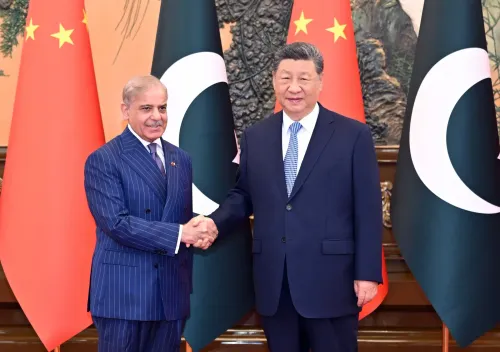
It references a common saying among Pakistani leaders that their relationship with China is "higher than the Himalayas and deeper than the ocean," indicating extensive collaboration across various sectors, including infrastructure and defense.
Moreover, the article points to what it describes as selective geopolitical stances, noting that while certain Pakistani religious and political factions critique Israel as "anti-Muslim," they largely remain silent regarding alleged human rights abuses faced by Uyghur Muslims in China. It recounts an instance where Qazi Hussain Ahmed was reportedly approached by Chinese officials to engage with Uyghur groups in Xinjiang.
Raising further concerns about Pakistan's historical conduct, the report recalls that Osama bin Laden was discovered living near the Pakistan Military Academy in Abbottabad, leading to questions of possible complicity or negligence.
Additionally, it mentions allegations that Pervez Musharraf's government played a "double game" during the War on Terror while receiving substantial financial support from the United States.
The article also alludes to opposition within Pakistan's military establishment regarding the Kerry-Lugar Bill, the murder of journalist Daniel Pearl, the attack on activist Malala Yousafzai, and claims of Pakistani officers' presence in locations tied to bin Laden during U.S. military operations.
Pakistan's recent efforts to position itself as a mediator—attempting to cultivate a reformed, peace-oriented image akin to a "reborn Desmond Tutu"—appear predominantly strategic, the editorial states, emphasizing that any mediation initiative that omits vital stakeholders like Israel and Iran cannot be deemed credible or all-encompassing.
The report concludes with a warning that any significant geopolitical changes in Iran could pose serious challenges for Pakistan, particularly in its volatile Balochistan region, where a longstanding insurgency persists, and instability might spill over into domestic security concerns.
Point of View
The article presents an unbiased examination of Pakistan's role in global geopolitics. It emphasizes the need for accountability and transparency while recognizing the complexities of its historical relationships and current strategic positions.
NationPress
15 Oct 2026
Frequently Asked Questions
What recent role has Pakistan attempted to take on?
Pakistan has attempted to position itself as a mediator in the escalating tensions between the United States and Iran.
How does the report characterize Pakistan's military?
The report characterizes Pakistan's military as often functioning like a mercenary force, pursuing shifting alliances and interests.
What historical actions complicate Pakistan's mediation role?
Allegations that Pakistan provided nuclear know-how to Iran under General Mirza Aslam Baig complicate its role as a mediator.
What are the implications for Pakistan's domestic security?
Instability in the Balochistan region, combined with rising tensions, poses significant challenges for Pakistan's domestic security.
What is the report's stance on Pakistan's relationship with China?
The report highlights the deep strategic relationship Pakistan has with China, which is described as higher than the Himalayas and deeper than the ocean.