Pakistan's Strategic Ambiguity Amid West Asia Turmoil: Insights
Synopsis
As tensions escalate in West Asia, Pakistan is navigating a complex landscape with a strategy of cautious ambiguity. With reports of cooperation with the US, the nation seeks to balance its diplomatic relations amid economic pressures and security challenges.
Key Takeaways
Pakistan adopts a cautious ambiguity in its foreign relations amid West Asia turmoil.
Reports suggest logistical and intelligence cooperation with the US .
Balochistan's instability poses a significant security challenge.
The China-Pakistan Economic Corridor plays a vital role in economic strategy.
Pakistan's balancing act involves managing relationships with both Western allies and regional partners.
Islamabad, March 11 (NationPress) Pakistan seems to be adopting a strategy of cautious ambiguity in light of the ongoing unrest in West Asia. Although the country has officially proclaimed its neutrality, recent reports suggest that Islamabad is engaged in logistical support and intelligence collaboration with the United States, indicating a subtle alignment with the changing regional dynamics, according to a recent report.
Recent military actions by the US and Israel against Iran have further highlighted the fragile geopolitical and sectarian divides in both West Asia and South Asia. Nations like Pakistan must now navigate an increasingly intricate landscape characterized by geopolitical rivalry, sectarian strife, and escalating competition among global and regional powers, as noted by Dimitra Staikou, a Greek expert on South Asian, Chinese, and Middle Eastern affairs, in the Pressenza International Press Agency.
“In a period where Pakistan is facing immense economic challenges and internal security issues, it has become crucial for the nation to maintain a delicate equilibrium in its relationships with both Western allies and regional partners. The geographical closeness to Iran and the precarious security situation along their shared border complicate this balancing act. The border region, particularly in Balochistan, has been plagued by instability, with armed groups, separatist movements, and smuggling networks operating across the frontier, contributing to ongoing low-intensity tensions,” Staikou pointed out.
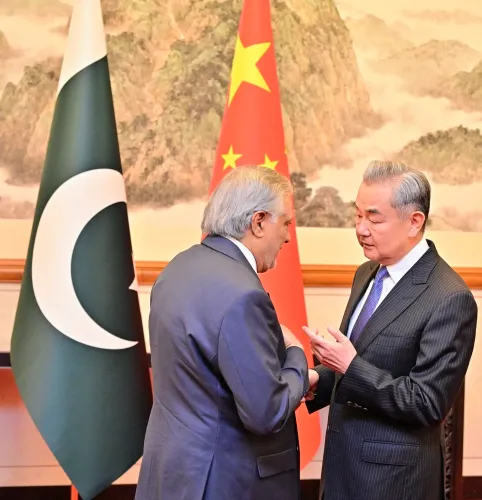
Balochistan is not just a security issue for Pakistan; it is also a vital component of its economic strategy. The province is pivotal in the context of the China–Pakistan Economic Corridor (CPEC), meaning that stability in the border region affects not only relations with Iran but also broader regional connectivity and economic cooperation.
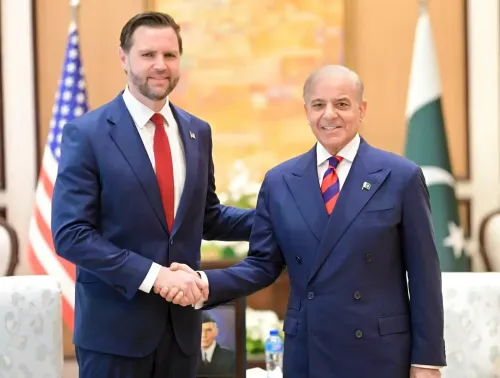
The relationship between Pakistan and the US remains significant. From Pakistan's perspective, sustaining ties with the US is crucial to maintain its diplomatic and strategic relevance amid economic uncertainty.
“However, this strategy requires meticulous management of ties with neighboring countries. Engaging with the US sends multiple signals: it reassures Western partners of Pakistan’s involvement in regional security discussions while reminding neighboring nations that Islamabad maintains a level of diplomatic flexibility. Nonetheless, such positioning may raise concerns in Tehran, where policymakers are attentive to developments along their mutual border,” Staikou elaborated in Pressenza International News Agency.
Pakistan’s relationships within the Muslim world add another layer of complexity. By fostering defense cooperation with countries like Saudi Arabia and Turkey, Pakistan has depicted itself as a proponent of solidarity in the Muslim world. Simultaneously, its interactions with Western powers illustrate a foreign policy influenced by economic necessities, security concerns, and evolving geopolitical realities, the report concluded.
Point of View
Pakistan's approach reflects a pragmatic balance between maintaining its sovereignty and engaging with global powers. Amidst economic difficulties and security threats, the nation's diplomatic strategy is essential for national interests.
NationPress
29 Sept 2026
Frequently Asked Questions
What is Pakistan's current stance on the West Asia conflict?
Pakistan has declared neutrality while reportedly engaging in logistical and intelligence cooperation with the United States.
How does the situation in Balochistan affect Pakistan's security?
Balochistan is a critical region characterized by instability, which complicates Pakistan's security and economic strategies.
What role does the US play in Pakistan's foreign policy?
The US is a significant partner for Pakistan, helping the country maintain its diplomatic relevance amidst economic challenges.
How does Pakistan manage its relationships with neighboring countries?
Pakistan employs a careful balancing act, engaging with both Western allies and neighboring states to maintain diplomatic flexibility.
What is the significance of the China-Pakistan Economic Corridor?
CPEC is crucial for Pakistan's economic strategy, influencing regional connectivity and stability, particularly in the Balochistan border region.