126 fake pilgrimage hotel websites busted; 21,985 victims across India

Synopsis
Two men ran over 126 fake websites impersonating dharamshalas, ashrams, and hotels at India's most-visited pilgrimage sites — from Tirupati to Haridwar — and allegedly cheated nearly 22,000 citizens. The operation spanned 11 states, used Google ads to lure victims, and was run by a web developer who kept 35% of fraudulent bookings.
Key Takeaways
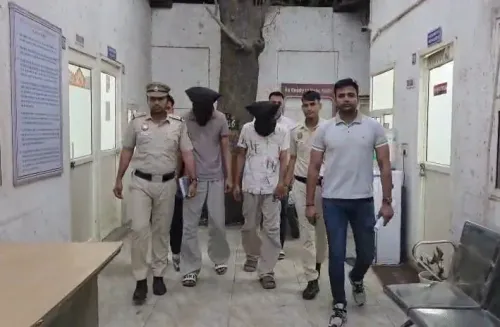
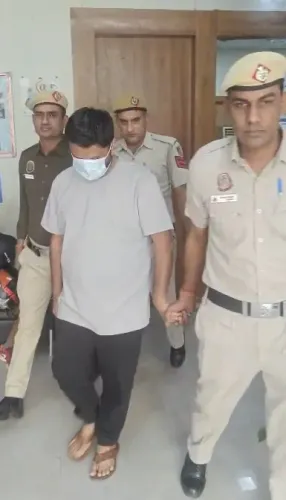
Gujarat Police's Cyber Centre of Excellence arrested two men — Vikikumar Gupta (Delhi) and Shailesh Saini (Rajasthan) — on 14 August .
The accused allegedly operated more than 126 fake websites impersonating dharamshalas, ashrams, trusts, and hotels.
Complaints linked to the websites involve 21,985 citizens across 11 states and Union Territories .
Destinations targeted include Tirupati, Haridwar, Shirdi, Jagannath Puri, Vrindavan , and Somnath , among others.
Gupta allegedly received a 35% share from bookings and retained technical control of all websites via C-Panel .
More than 70 complaints have been filed on the National Cyber Crime Reporting Portal (NCCRP) ; three phones and a laptop worth ₹29,000 seized.
Gujarat Police's Cyber Centre of Excellence has arrested two men — one from Delhi and one from Rajasthan — for allegedly running a network of more than 126 fake websites impersonating dharamshalas, ashrams, trusts, and hotels at major pilgrimage and tourist destinations across India. The operation, which reportedly cheated 21,985 citizens, was dismantled following a technical investigation and human intelligence effort conducted under senior police supervision.
Who Was Arrested
The accused have been identified as Vikikumar Gupta, 34, a digital marketing and web developer from Delhi, and Shailesh Saini, 24, a competitive examination student from Bharatpur district, Rajasthan. The arrests were made on Thursday, 14 August. Three mobile phones and one laptop — collectively valued at ₹29,000 — have been seized.
How the Scam Operated
According to investigators, Gupta created websites using the names, photographs, and designs of genuine dharamshalas, ashrams, trusts, and hotels. He also built websites in the names of establishments that had no official online presence, effectively filling a gap that unsuspecting travellers would not think to verify.
The bogus websites were promoted through Google Search and paid advertisements. Customers searching for accommodation would enter their names, mobile numbers, and booking dates on these sites. That data flowed directly to Gupta via his Gmail account, who then forwarded booking requests to Saini over WhatsApp and other mobile numbers.
Saini allegedly posed as a reception manager or representative of the concerned establishment, contacted customers, and collected advance payments — then failed to provide any accommodation. Gupta reportedly retained C-Panel and other technical access to all websites, enabling him to update mobile numbers and site content as needed. Investigators found a Google Sheet listing details of around 126 websites on his laptop, along with related WhatsApp chats, booking requests, and C-Panel credentials on his phone.
Preliminary findings indicate Gupta received fees for website development, mobile number updates, search engine optimisation, and Google advertising services. He is also suspected of taking a 35 per cent share from bookings made through some of the websites.
Scale and Geographic Reach
The fake websites covered destinations across 11 states and Union Territories. In Gujarat alone, 41 websites targeted locations including Somnath, Dwarka, Girnar, Palitana, Bhuj, Junagadh, Patan, and Gandhinagar. Uttarakhand — home to major pilgrimage towns — had 27 websites targeting Rishikesh and Haridwar. Andhra Pradesh had 18 websites covering Tirumala, Visakhapatnam, and Tirupati.
Other states affected include Jammu and Kashmir (5 websites, Katra), Karnataka (5 websites), Madhya Pradesh (7 websites, Ujjain), Maharashtra (8 websites, including Juhu, Powai, Shirdi, Oshiwara, and Shegaon), Odisha (6 websites, Jagannath Puri), Tamil Nadu (6 websites, Srirangam), Uttar Pradesh (2 websites, Vrindavan), and West Bengal (1 website, Kolkata). Multiple domains — .com, .co.in, .co, .org, and .in — were used to lend the sites an air of legitimacy.
Complaints and Legal Action
Police found more than 70 complaints related to these websites on the National Cyber Crime Reporting Portal (NCCRP). The total number of citizens linked to complaints across all websites stands at 21,985. The Cyber Centre of Excellence has formally registered the case and the investigation is ongoing.
With pilgrimage tourism surging across India and millions of devotees booking accommodation online, authorities have warned that fraudulent websites mimicking trusted religious establishments remain an active threat. Travellers are advised to verify accommodation websites through official establishment contacts before making any advance payment.
Point of View
Knowing that the absence of a real site makes fraud harder to detect. The use of Google Search ads to surface these pages above legitimate results points to a systemic gap in platform-level screening. With nearly 22,000 victims across 11 states, this is not a two-man operation in scale — the question investigators must now answer is whether Gupta and Saini were the architects or front-runners for a wider network.
NationPress
28 Sept 2026
Frequently Asked Questions
What is the Gujarat Police fake pilgrimage website scam?
Gujarat Police's Cyber Centre of Excellence busted a network of more than 126 fake websites impersonating dharamshalas, ashrams, trusts, and hotels at pilgrimage and tourist destinations across India. Two men — Vikikumar Gupta from Delhi and Shailesh Saini from Rajasthan — were arrested on 14 August for allegedly cheating 21,985 citizens through fraudulent advance room-booking payments.
How did the fake booking scam work?
The accused created websites mimicking real dharamshalas, ashrams, and hotels — and also built pages for establishments with no official website. These sites were promoted via Google Search and paid ads. Victims entered their details, Gupta forwarded the bookings to Saini, who then posed as a reception manager, collected advance payments, and provided no accommodation.
Which pilgrimage destinations were targeted?
The fake websites covered destinations in 11 states and Union Territories, including Tirupati, Haridwar, Rishikesh, Shirdi, Jagannath Puri, Vrindavan, Somnath, Dwarka, Ujjain, Srirangam, and Katra (Vaishno Devi). Uttarakhand had the second-highest count with 27 websites, after Gujarat's 41.
What evidence did police recover?
Investigators found a Google Sheet on Gupta's laptop listing details of around 126 websites, along with WhatsApp booking chats, C-Panel credentials, and Google advertising records. Three mobile phones and one laptop — worth ₹29,000 in total — were seized. More than 70 complaints related to the websites were found on the National Cyber Crime Reporting Portal.
How can travellers avoid fake pilgrimage booking websites?
Authorities advise verifying accommodation websites by directly calling the establishment through numbers obtained from official or government tourism portals before making any advance payment. Travellers should be cautious of websites appearing in paid Google ads and should cross-check domain names carefully, as the accused used multiple extensions including .com, .org, .co.in, and .in.