9 children dead in Balaghat tribal illness outbreak, says Congress
Synopsis
Nine children are reportedly dead and hundreds ill in Baiga tribal villages of Balaghat, MP — yet authorities have not confirmed the cause or the death toll. With samples sent to ICMR and the National Institute of Virology and results still pending, this is both a public health emergency and a test of the state's accountability to its most marginalised communities.
Key Takeaways
Congress claims nine children have died in a health outbreak in Baiga-dominated villages of Balaghat district, Madhya Pradesh .
The outbreak has persisted since 26 June , with hundreds reportedly falling ill across villages including Machhurda , Adori , Bondari , Korka , and Kundekasa .
The health department has confirmed 100 children hospitalised , with 93 recovered; 15 remain under treatment as of Thursday evening.
Symptoms include malaria , typhoid , scabies , measles , and signs of nutritional deficiency ; the exact cause is yet to be established.
Blood and water samples have been sent to an ICMR lab in Kolkata and the National Institute of Virology in Pune — results are awaited.
MP Leader of Opposition Umang Singhar is scheduled to meet bereaved families in Balaghat on Friday .
At least nine children have reportedly died amid a health emergency in Baiga-dominated tribal villages of Balaghat district, Madhya Pradesh, according to the Indian National Congress (INC). The outbreak, which has affected hundreds of residents across multiple remote villages since 26 June, has prompted the deployment of medical teams and raised urgent questions about healthcare access in India's tribal heartland.
What the Authorities Have Confirmed
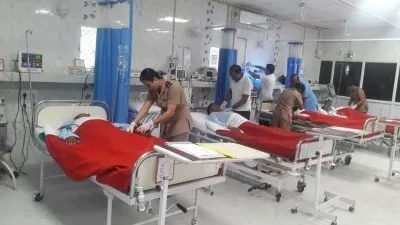
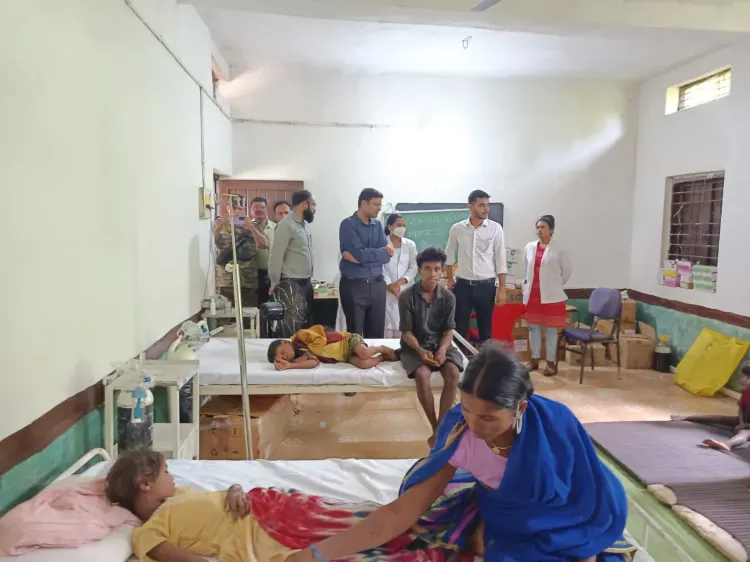
The Balaghat district health department has officially reported the hospitalisation of 100 children suffering from various ailments, with 93 of them having recovered. Authorities have not yet confirmed the death toll or established the exact cause of the illnesses. As of Thursday evening, 15 children remain under treatment, with their condition described as normal and satisfactory.
Balaghat Chief Medical and Health Officer Dr Paresh Uplap said: 'The children who died and those who have been hospitalised have shown symptoms of multiple infections, including those similar to malarial fever and scabies skin infection, besides signs of nutritional deficiencies.' He added that blood and water samples have been dispatched to specialised laboratories — including an Indian Council of Medical Research (ICMR) institution in Kolkata and the National Institute of Virology in Pune — with results still awaited.
Symptoms and Affected Villages
Illnesses reported across the affected belt include malaria, typhoid, fungal and skin infections, scabies, measles, fever, cold and cough, and dehydration. Villages named by the administration include Machhurda, Adori, Bondari, Korka, and Kundekasa — all of which have reported cases for nearly 40 days. Kundekasa is among the worst-affected, and a temporary health centre has been established at a local government school to handle the caseload.
On Wednesday, eight additional children were brought to hospital as a precautionary measure. The administration has maintained that the situation is under control and that active surveillance is continuing.
Medical Response on the Ground
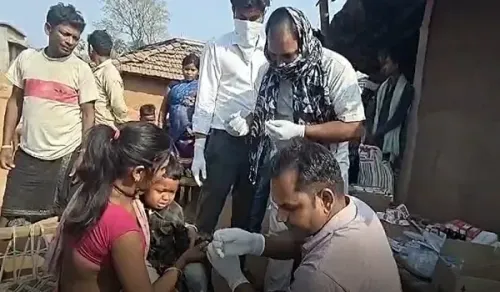
The district administration has deployed 20 survey teams, 10 medical officers, and four ambulances for door-to-door screening, treatment, and patient transport. The scale of the mobilisation reflects the logistical challenge of reaching isolated tribal settlements, where access to primary healthcare is structurally limited.
The outbreak has brought renewed attention to longstanding concerns over malnutrition, sanitation, and the adequacy of healthcare infrastructure in remote tribal areas of Madhya Pradesh — issues that advocates say have persisted for decades.
Congress Raises Political Pressure
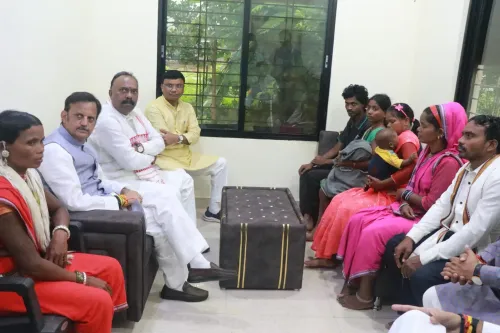
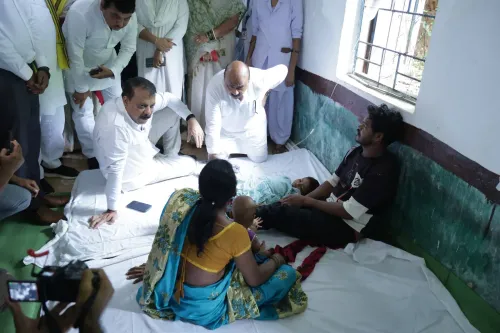
The Congress has put the death toll at nine and escalated its political response. Madhya Pradesh Leader of Opposition Umang Singhar is scheduled to visit the families of the deceased children in Balaghat on Friday. The party has accused the state government of failing to respond adequately to the crisis in tribal communities.
With laboratory results still pending and the official cause of illness unconfirmed, the coming days will be critical in determining both the medical trajectory of the outbreak and the political accountability that follows.
Point of View
Official undercounting of deaths is a documented pattern — not an accusation, but a structural reality. The fact that samples have gone to ICMR and the National Institute of Virology suggests the administration is treating this seriously at the technical level; the question is whether political accountability will match. Malnutrition compounding infection is not a new finding in Baiga communities — it is a chronic failure. This outbreak is an acute symptom of that chronic neglect.
NationPress
28 Sept 2026
Frequently Asked Questions
How many children have died in the Balaghat tribal illness outbreak?
The Congress has claimed nine children have died, though authorities have not officially confirmed this figure. The state health department has confirmed 100 hospitalisations, with 93 children recovering and 15 still under treatment as of Thursday evening.
What illness is affecting children in Balaghat's tribal villages?
No single cause has been confirmed yet. Affected children have shown symptoms consistent with malaria, typhoid, scabies, measles, fungal infections, dehydration, and nutritional deficiencies. Blood and water samples have been sent to ICMR and the National Institute of Virology for testing.
Which villages in Balaghat are affected?
The outbreak has been reported in Machhurda, Adori, Bondari, Korka, and Kundekasa, among others. Kundekasa is among the worst-affected, where a temporary health centre has been set up at a government school.
What steps has the Balaghat administration taken to contain the outbreak?
Twenty survey teams, 10 medical officers, and four ambulances have been deployed for door-to-door screening and treatment. A temporary health centre has been established in Kundekasa, and laboratory samples have been sent to specialised institutions in Kolkata and Pune.
What is the Congress's political response to the Balaghat crisis?
The Congress has put the death toll at nine and escalated pressure on the Madhya Pradesh government. Leader of Opposition Umang Singhar is scheduled to visit bereaved families in Balaghat on Friday.