Rahul Gandhi to visit Balaghat on Oct 1 as 30+ tribal child deaths spark row
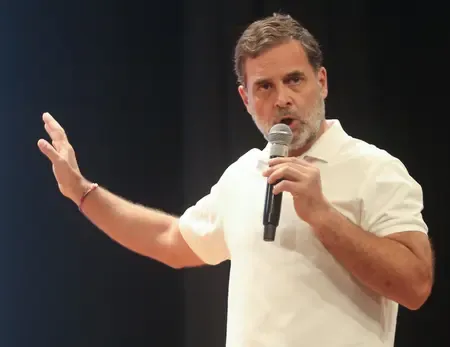
Synopsis
More than 30 tribal children — many from the Baiga and Gond communities — have died in Madhya Pradesh's Balaghat district, and no single disease has been identified as the cause. Rahul Gandhi visits on 1 October, the High Court has ordered a state response, and a central investigation points to malnutrition, measles, malaria, and a broken healthcare system. This is as much a governance crisis as a health emergency.
Key Takeaways
More than 30 children have died in tribal villages of Balaghat district , Madhya Pradesh, over the past few months.
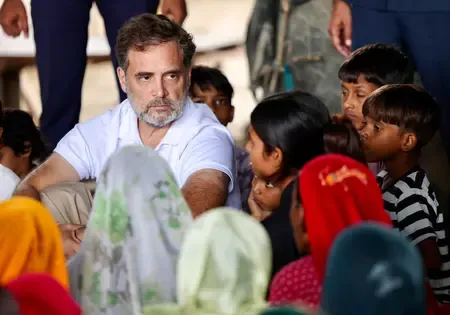
Rahul Gandhi is scheduled to visit the Baihar and Birsa regions on 1 October to meet bereaved families.
A central investigation attributes the deaths to multiple causes: measles, malaria, malnutrition, anaemia, dehydration, and respiratory infections.
The Jabalpur Bench of the Madhya Pradesh High Court has directed the state to submit a formal response via a PIL.
As of 28 September , 45,458 people screened, 28,296 children vaccinated, and an intensive health campaign is under way across 57 villages .
Discrepancies between official and other reported figures on the death toll remain unresolved.
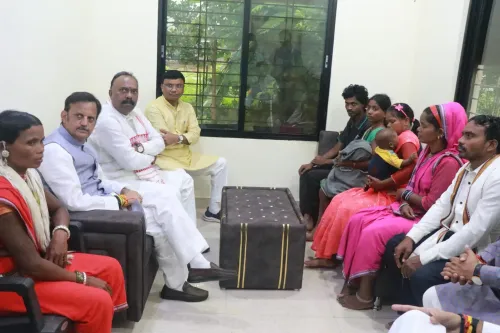
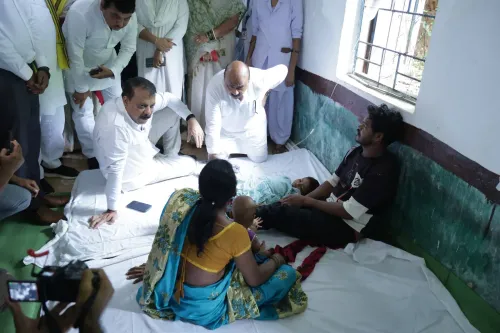
Congress leader and Leader of the Opposition in Lok Sabha Rahul Gandhi is scheduled to visit the tribal-dominated Balaghat district of Madhya Pradesh on 1 October, as the deaths of more than 30 children in the region escalate into a major political controversy. Gandhi will tour the Baihar and Birsa regions to meet the families of the deceased, according to Madhya Pradesh Assembly Leader of Opposition Umang Singhar, who confirmed the visit on social media.
Scale of the Crisis
Reports indicate that more than 30 children have died over the past few months across tribal villages in Balaghat district. Many of the deceased belonged to the Baiga and Gond communities — among the most marginalised Scheduled Tribe groups in central India. A discrepancy persists between the death toll cited by the state administration and figures reported by other sources, with reports from September 2026 placing the toll above 30.
Investigations so far have not identified any single disease or virus as the sole cause. A central investigation has attributed the deaths to multiple factors, including measles, malaria, respiratory infections, dehydration, malnutrition, anaemia, and shock — pointing to a systemic collapse of basic healthcare and nutrition rather than an isolated outbreak.
Opposition Criticism and Political Pressure
The Congress has consistently questioned the Madhya Pradesh state government over its response. Gandhi's planned visit is widely seen as an effort to push the issue onto the national agenda ahead of potential political consolidation around tribal welfare narratives. Villagers and the opposition have highlighted the absence of adequate healthcare facilities, chronic malnutrition, contaminated water sources, and delays in medical intervention as the core grievances.
Earlier, Abhijit Dipke, chief of the Cockroach Janata Party, also visited the affected villages, met bereaved families, and raised pointed questions about the state's administrative response. Videos have reportedly emerged showing arguments and protests involving residents and social media content creators during related visits, underscoring the charged atmosphere on the ground.
Court Intervention
The issue has reached the judiciary as well. The Jabalpur Bench of the Madhya Pradesh High Court, while hearing a Public Interest Litigation (PIL), directed the state government to submit documents and a formal response regarding the children's deaths — a move that adds legal accountability to the political and social pressure already bearing on the administration.
Government's Response on the Ground
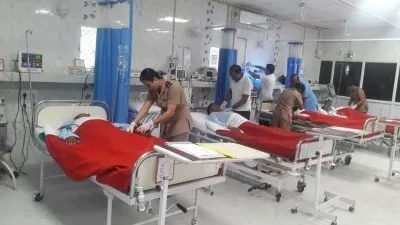
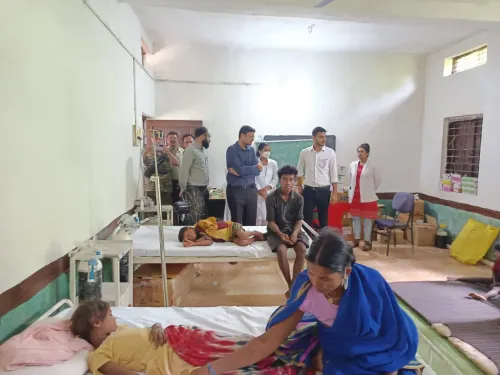
The administration has stated that health monitoring, testing, and treatment arrangements in the affected areas have been strengthened. The Health Department is running an intensive campaign across 57 villages in the Birsa and Baihar regions. As of 28 September, 45,458 people had been screened and 7,549 patients identified, covering cases of cold, fever, malaria, measles, and skin diseases. Of these, 6,861 received home treatment and 688 were hospitalised; 662 patients have since recovered.
On the nutrition front, 1,255 children have received iron syrup and 1,145 have been given Albendazole tablets. Under the vaccination drive, 284 children were immunised across 6 sessions on 28 September alone, with a cumulative total of 28,296 children vaccinated through 689 sessions. Mosquito-control measures — including insecticide spraying and fogging — are ongoing alongside continuous surveillance, the administration added.
What Comes Next
Gandhi's 1 October visit is expected to intensify scrutiny of the Madhya Pradesh government's tribal health infrastructure. With the High Court already seized of the matter and a central investigation flagging multi-factor causes, pressure on the state to deliver a credible accountability framework is set to mount in the days ahead.
Point of View
Nutrition, and safe water access that predates any single government. The multi-factor finding by the central investigation is telling: when children die of measles, malaria, dehydration, and anaemia simultaneously, no vaccine drive or fogging campaign can substitute for the primary health centres and nutrition programmes that were never adequately built. Rahul Gandhi's visit will generate national headlines, but the harder question — whether the Centre's own tribal welfare funding reached Baiga and Gond villages — is unlikely to be raised with the same energy. The High Court's intervention is the most consequential development here, because it creates an accountability trail that political visits alone cannot.
NationPress
30 Sept 2026
Frequently Asked Questions
How many children have died in Balaghat's tribal areas?
More than 30 children have reportedly died over the past few months in tribal-dominated villages in Balaghat district, Madhya Pradesh. Many of the deceased belong to the Baiga and Gond communities. Discrepancies between administration figures and other sources remain unresolved.
Why is Rahul Gandhi visiting Balaghat on 1 October?
Rahul Gandhi is visiting the Baihar and Birsa regions of Balaghat on 1 October to meet the families of the deceased children and to raise the issue at the national level. The visit was confirmed by Madhya Pradesh Assembly Leader of Opposition Umang Singhar on social media.
What has caused the deaths of children in Balaghat?
No single disease has been identified as the sole cause. A central investigation points to multiple factors, including measles, malaria, respiratory infections, dehydration, malnutrition, anaemia, and shock. Villagers and the opposition have also cited lack of healthcare facilities and contaminated water as contributing factors.
What action has the Madhya Pradesh High Court taken?
The Jabalpur Bench of the Madhya Pradesh High Court, hearing a Public Interest Litigation, has directed the state government to submit documents and a formal response regarding the children's deaths. The court order adds a layer of judicial accountability to the political and administrative pressure on the state.
What steps has the Madhya Pradesh government taken in response?
The state government has launched an intensive health campaign across 57 villages in the Birsa and Baihar regions. By 28 September, 45,458 people had been screened, 28,296 children vaccinated through 689 sessions, and 1,255 children given iron syrup. Mosquito-control operations, including fogging and insecticide spraying, are also under way.