Rising Instability in Pakistan: Impact of West Asia Conflicts and Domestic Unrest
Synopsis
Pakistan is experiencing escalating instability due to the West Asia conflict and domestic unrest, with strategic implications stemming from its alliances and geographical position. This report explores the ramifications of these tensions.
Key Takeaways
Pakistan faces growing instability due to regional conflicts and internal strife.
Recent violent clashes in Gilgit Baltistan exemplify the tensions.
Pakistan's alliances with the US and Saudi Arabia complicate its geopolitical stance.
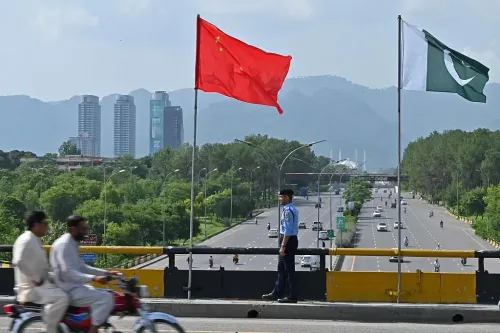
Unrest threatens critical infrastructure like the China-Pakistan Economic Corridor .
The military's dual role in counterinsurgency and public order is under scrutiny.
London, March 22 (NationPress) Pakistan is grappling with increasing instability due to the persistent conflict in West Asia, internal turmoil, and strategic challenges. Its geographical positioning along Iran's eastern border, coupled with alliances with Saudi Arabia and the US, has intensified pressures on Islamabad, as highlighted in a recent report.
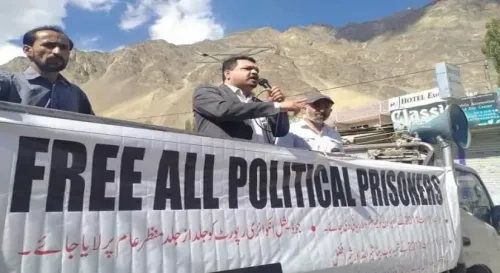
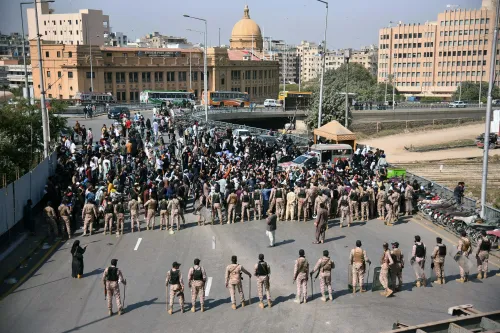
Recent incidents in Pakistan-administered Gilgit Baltistan (PoGB), predominantly inhabited by Shia Muslims, have underscored these tensions. On March 1, confrontations erupted between security forces and demonstrators aligned with Iran following the assassination of Supreme Leader Ayatollah Ali Khamenei. Reports indicate that two soldiers lost their lives as protesters targeted military installations and ignited government buildings, according to UK-based Asian Lite.
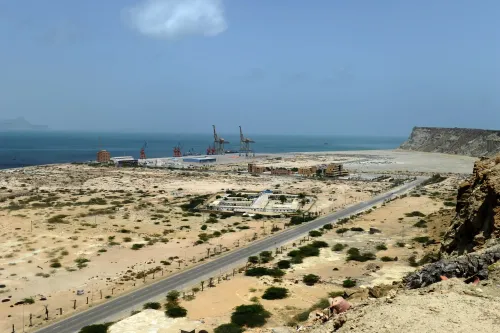
China has expressed concerns that the unrest in PoGB could jeopardize its China-Pakistan Economic Corridor (CPEC). The Karakoram Highway, vital for CPEC operations, has already encountered interruptions due to both natural disasters and political instability, revealing the susceptibility of Pakistan’s northern regions amid escalating regional tensions.
It has been reported that security forces have detained numerous individuals suspected of connections to Iran-backed factions in a bid to quell further disturbances. Critics argue that these measures might exacerbate the discontent among the populace and deepen sectarian rifts.
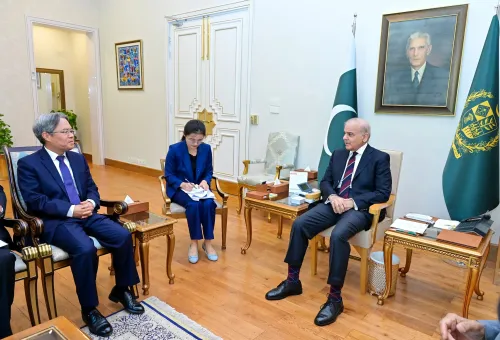
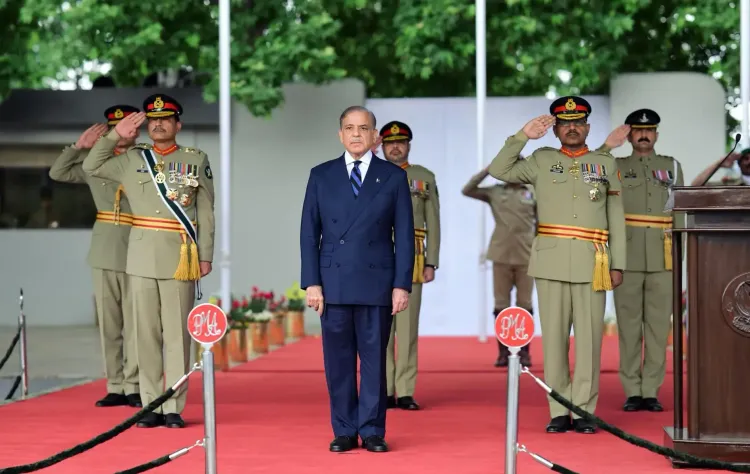
"Pakistan’s military plays a pivotal role in shaping regional strategies, providing essential intelligence and logistical support to both Arab and Western allies. National media narratives have stressed allegiance to partners like Saudi Arabia while depicting Iran as a regional adversary," stated the report from Asian Lite.
Experts suggest that Pakistan's reliance on the Gulf, its energy imports through ports such as Yanbu, and military funding significantly influence its stance in the ongoing West Asia conflict. Concurrently, Iran is executing missile and drone strikes against various nations in West Asia, with a limited focus on operations targeting Israel.
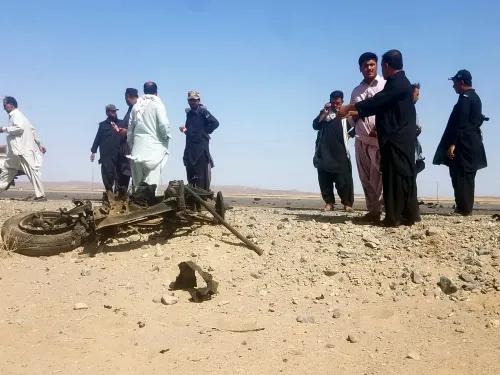
"Tehran’s backing of groups like the Taliban has heightened security apprehensions in Pakistan, potentially making the nation vulnerable to retaliatory actions along its western borders. Further complicating Pakistan’s situation, the military is simultaneously engaged in counterinsurgency against Baloch separatists and Tehrik-i-Taliban Pakistan militants, while conducting airstrikes in Afghanistan to mitigate cross-border threats. However, these operations have strained relationships with China, which seeks stability to safeguard its substantial investments in the area," the report concluded.
Point of View
It's critical to recognize the multifaceted challenges Pakistan faces amidst growing instability. The interplay of regional conflicts and internal unrest demands a nuanced understanding of the geopolitical landscape that influences national security and societal cohesion.
NationPress
22 Sept 2026
Frequently Asked Questions
What are the main factors contributing to Pakistan's instability?
Pakistan's instability is primarily driven by the ongoing conflict in West Asia, domestic unrest, and strategic pressures from its alliances with countries like Saudi Arabia and the US.
How has the conflict in West Asia affected Pakistan?
The conflict has intensified pressures on Pakistan, especially along its eastern border with Iran, and has led to significant unrest within its territories, notably in regions like Gilgit Baltistan.
What recent events exemplify the unrest in Pakistan?
Clashes in Gilgit Baltistan on March 1, following the assassination of Iranian Supreme Leader Ayatollah Ali Khamenei, highlight the growing tensions, resulting in casualties among security forces and damage to property.
What implications does the unrest in Pakistan have for the China-Pakistan Economic Corridor?
Unrest in regions like Gilgit Baltistan poses risks to the China-Pakistan Economic Corridor, as vital transportation routes like the Karakoram Highway face disruptions due to both political instability and natural hazards.
How is Pakistan's military responding to the unrest?
The military is actively involved in counterinsurgency operations against various militant groups while also attempting to manage public demonstrations and unrest linked to regional tensions.