Pakistan's Use of Religion as a Facade for Its Aggressive Tactics in Occupied Gilgit-Baltistan
Synopsis
A startling report reveals how Pakistan is intensifying its oppressive tactics against Shia citizens in Gilgit-Baltistan amid potential regional conflicts, highlighting the need for liberation from its damaging doctrines.
Key Takeaways
Increased Tensions: The situation in Gilgit-Baltistan is exacerbated by regional conflicts and internal unrest.
Religious Manipulation: Pakistan is accused of using religion as a facade for its aggressive policies.
Human Rights Violations: Authorities are reported to be detaining activists and suppressing dissent.
Geopolitical Ramifications: The potential for conflict with Iran could further endanger Shia citizens in Pakistan.
Media Influence: The media is being employed to justify military action against Iran and shape public perception.
Washington, March 21 (NationPress) In the event of a comprehensive conflict involving Iran and neighboring Arab nations, the safety of Shia citizens in Pakistan could be at serious risk. A report emphasizes that residents of Pakistan-occupied Gilgit-Baltistan (PoGB) could achieve a dignified existence by liberating themselves from the constraints of the Two-Nation doctrine and reuniting with India.
In an article for Global Strat View, Senge Sering, founder of the Gilgit Baltistan Studies in Washington, contends that it is crucial to stop Pakistan from manipulating religion as a "cover" to hide its brutal agenda that threatens cultural identity and appropriates the natural resources of PoGB.
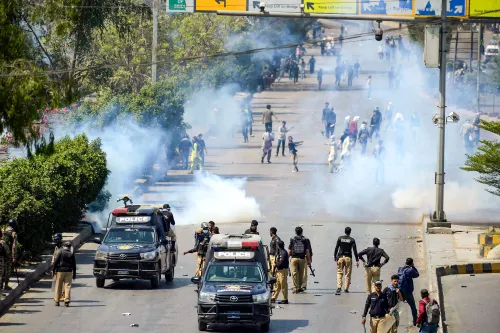
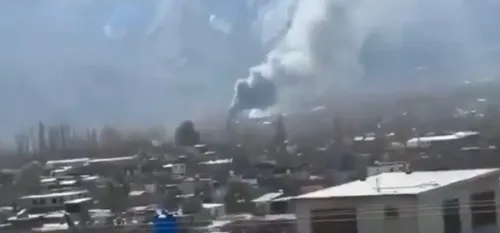
“This year, disruptions along the Karakoram Highway will stem from more than just snow avalanches and landslides. The Karakoram Highway, which traverses through Pakistan-occupied Gilgit-Baltistan, has been heavily affected by the fallout from the assassination of Ayatollah Khamenei. On March 1, the Pakistani military opened fire, resulting in the deaths of 18 individuals, including eight children, in an attempt to quell the violent protests led by Khamenei loyalists in Gilgit and Skardu. Following these events, a curfew was imposed, providing a temporary calm to the escalating tensions. Authorities assert that demonstrators were responsible for the deaths of two soldiers and the destruction of several military properties,” Sering explained.
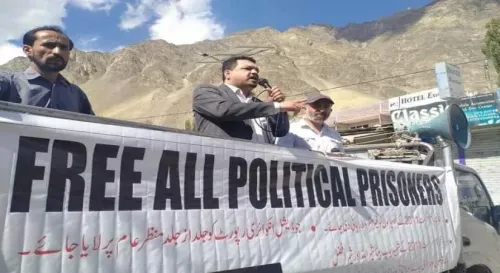
He pointed out that Pakistani law enforcement is actively pursuing and arresting numerous residents in PoGB, including those believed to have connections with "Iran-funded" religious groups.
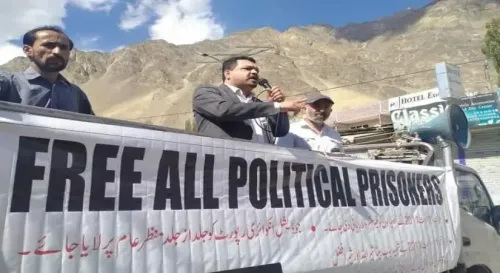
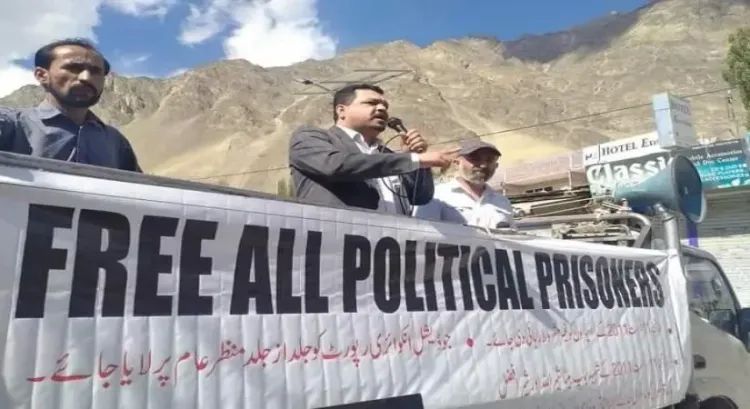
“Police are conducting nighttime raids on private homes, showing blatant disregard for the sanctity of Ramadan, and are transferring detainees to secretive torture facilities. Currently, anyone raising public awareness about state-sponsored abuses or who has the potential to mobilize protests is at risk of arrest. Reports indicate that prominent political and cultural activists, such as Advocate Ehsan Ali, Engineer Mehboob, Advocate Nafees, Fida Isar, Taruf Abbas, Sheikh Yusuf, Nazar Kazmi, and Shabbir Mayar, have been detained to instill fear within society,” the expert noted.
Such actions, he argues, are designed to mitigate growing domestic unrest, with both the USA and Saudi Arabia expecting the Pakistani military to contribute to forthcoming ground operations against Iran.
The report suggests that the Pakistani military plays a critical role in providing vital intelligence and analytical backing to its Arab and Western partners while deploying a substantial number of media operatives to shape public opinion and rationalize attacks on Iran.
“The media exploits domestic anti-Hindu sentiments to portray Iran as a foe for establishing a defense and strategic alliance with India, akin to the agreement Pakistan recently formed with Saudi Arabia. Pakistani media have also criticized Iran for permitting Indian vessels to navigate through the Hormuz Strait, while Pakistan relies on Yanbu port in the Red Sea for oil imports. Many influential Pakistanis believe that a media campaign will demonstrate their loyalty to the Saudis and secure financial assistance without engaging in actual warfare,” the report further elaborated.
Point of View
This report underscores a critical issue regarding the political manipulation of religious sentiments in Pakistan. The safety and dignity of individuals in Gilgit-Baltistan are at risk, necessitating a broader dialogue on the implications of state policies that undermine cultural identity and human rights.
NationPress
22 Sept 2026
Frequently Asked Questions
What is the current situation in Gilgit-Baltistan?
The situation in Gilgit-Baltistan is tense, with reports of police raids and detentions of residents suspected of connections to Iranian-backed groups.
How is Pakistan using religion in its political agenda?
Pakistan is accused of exploiting religious sentiments as a cover for its oppressive policies and aggressive actions against cultural identities in occupied regions.
What are the implications of a potential war involving Iran?
A full-scale conflict involving Iran could severely jeopardize the safety of Shia citizens in Pakistan, particularly in regions like Gilgit-Baltistan.
Who are the key figures mentioned in the report?
The report highlights several activists, including Advocate Ehsan Ali and Engineer Mehboob, who have been detained for raising awareness about state abuses.
What role does the media play in this context?
The media in Pakistan is utilized to shape public opinion against Iran, often framing it as a threat and justifying military alliances with Arab nations.