Humanitarian Emergency: Sectarian Violence in Pakistan's Kurram District
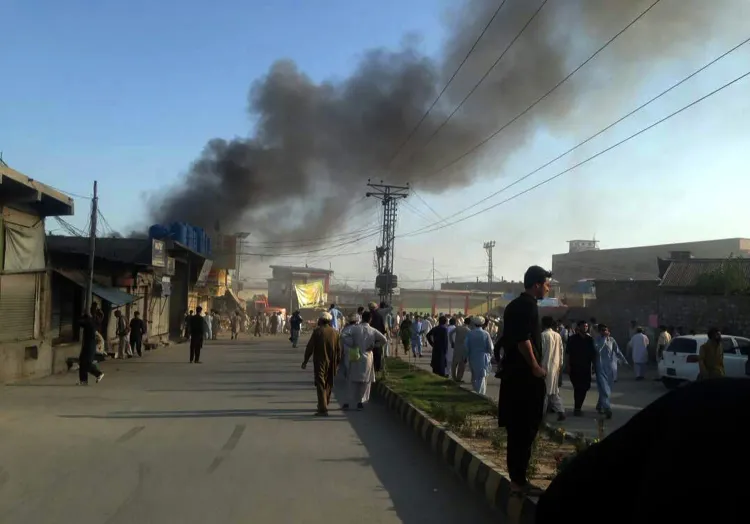
Synopsis
The Kurram district in Pakistan is facing a dire humanitarian emergency due to escalating sectarian violence and government inaction. With essential supplies cut off, locals endure severe hardships amid ongoing conflict.
Key Takeaways
Escalating sectarian violence in Kurram is causing a humanitarian crisis.
The closure of Thal–Parachinar Road has cut off essential supplies.
Over 200 lives have been lost since the conflict reignited in November 2024.
The provincial government has faced criticism for its inaction amidst ongoing violence.
Efforts for peace remain fragile and ineffective.
Athens, March 20 (NationPress) The escalating crisis in the Kurram district of Pakistan’s Khyber Pakhtunkhwa highlights significant challenges in the nation's periphery, where unresolved conflicts, ineffective institutions, and politicized security responses converge.
The ongoing closure of the Thal–Parachinar Road has intensified sectarian strife into a humanitarian catastrophe, leaving civilians to suffer the consequences of governmental inaction, according to a report.
“For over three months, residents of Pakistan’s Kurram District have endured conditions more akin to a siege than a governance issue. The closure of the Thal–Parachinar Road, the district’s main route connecting it to the rest of Pakistan, has cut off access to essentials like food, fuel, medicine, and emergency services,” reported the Athens-based publication 'Directus'.
The blockade stems from persistent violence, conflicting narratives, and the inability of Pakistani authorities to maintain consistent control in the area.
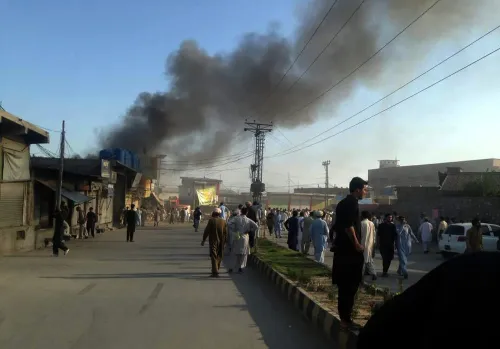
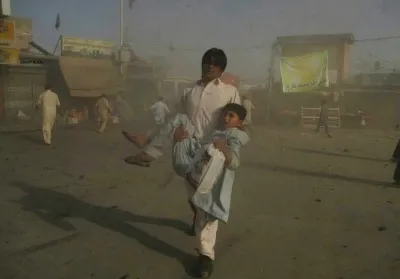
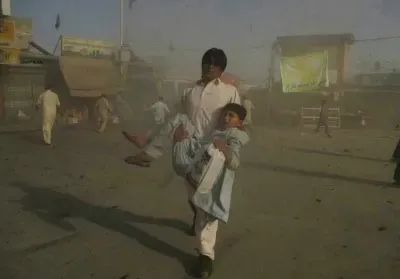
Sectarian clashes between Sunni and Shia groups began in November 2024, igniting the crisis and resulting in over 80 fatalities in just the first three days.
“By the close of 2024, at least three significant rounds of conflicts had occurred, raising the annual death toll in Kurram to over 200. The violence prompted authorities to close the Thal–Parachinar Road as an initial security precaution. What ensued was not a brief disruption, but an extended paralysis,” the report indicated.
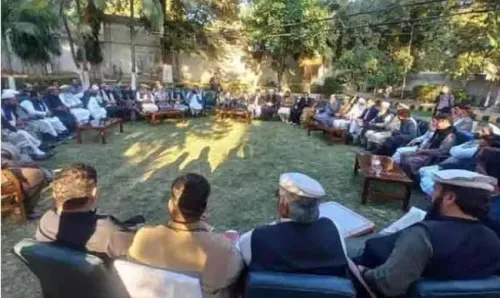
In January 2025, provincial officials announced a “fragile peace accord” between the warring tribes after weeks of bloodshed that resulted in numerous casualties.
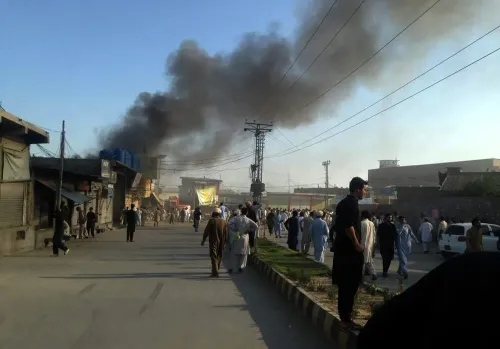
“Officials hailed the agreement as a pivotal moment. The true test would be a government-escorted supply convoy set for January 4, aimed at delivering food and medical supplies and signifying the reopening of the road. Unfortunately, this effort failed when the convoy’s advance team, led by Deputy Commissioner Javedullah Mehsud, was attacked in Bagan, a Sunni-majority locality. Mehsud and several officials sustained serious injuries, highlighting the limited effectiveness of the ceasefire,” the report elaborated.
As Kurram plunged deeper into crisis, the report noted that the Pakistan Tehreek-e-Insaf-led administration in Khyber Pakhtunkhwa was preoccupied with nationwide protests and political mobilization, particularly regarding the detention of former Prime Minister Imran Khan.
“The humanitarian and security crisis in Kurram struggled to maintain consistent focus. Opposition parties accused the provincial government of negligence, while officials shifted blame to federal authorities. This deflection has resulted in stagnation on the ground, with residents witnessing little evidence of organized, sustained efforts,” it added.
Emphasizing the failure of Pakistani authorities to manage the crisis, the report stated, “As the conflict persists, Kurram remains trapped between tenuous truces and recurring violence, with its populace grappling with scarcity, fear, and uncertainty. The siege endures, not due to fate, but because the systems designed to prevent it have consistently faltered.”
Point of View
The situation in Kurram represents a complex interplay of historical grievances and institutional failures. It underscores the urgent need for effective governance and proactive measures to restore stability and support the affected communities.
NationPress
22 Sept 2026
Frequently Asked Questions
What is causing the humanitarian crisis in Kurram?
The crisis is fueled by prolonged sectarian violence, particularly between Sunni and Shia groups, along with the closure of the Thal–Parachinar Road, which has cut off essential supplies.
How many lives have been lost due to the conflict?
The violence has claimed over 200 lives in Kurram since it escalated in November 2024.
What steps have been taken to resolve the conflict?
A fragile peace agreement was declared in January 2025, but efforts to deliver aid have faced significant challenges, including attacks on supply convoys.
Why is the Kurram district significant?
Kurram is a strategic region that has experienced historical sectarian tensions, making it crucial for understanding broader security challenges in Pakistan.
What role does government inaction play in the crisis?
Governmental neglect and blame-shifting between provincial and federal authorities have exacerbated the humanitarian situation, leaving residents without adequate support.