Pakistan censors Shia anger report as Army Chief warns clerics
Synopsis
A blank page in Pakistan's edition of a US daily has said more than the article it replaced ever could. The deliberate suppression of Zia ur Rahman's report on Shia anger, combined with Army Chief Asim Munir's blunt warning to clerics and unreported violence in Karachi, reveals a state increasingly at war with its own minority communities — and with the truth.
Key Takeaways
An article by journalist Zia ur Rahman on Shia anger over the US-Iran war was pulled from Pakistan's edition of a US daily on 24 April , replaced by a blank space.
The piece appeared in all other international editions and online, confirming the removal was a local, state-driven decision.
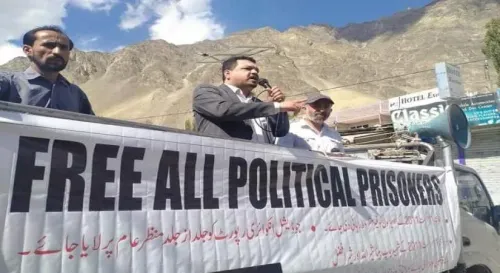
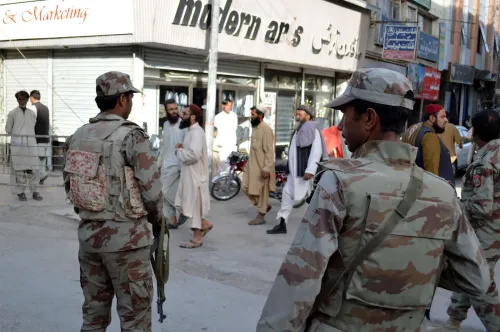
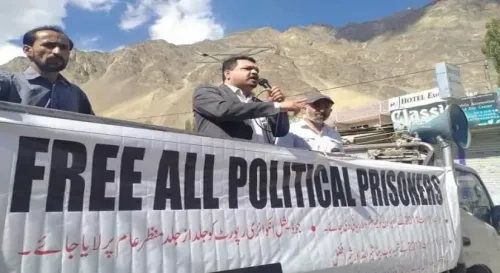
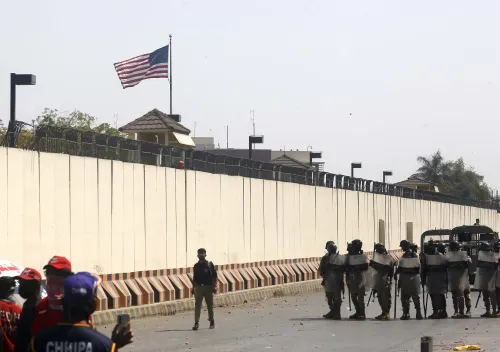
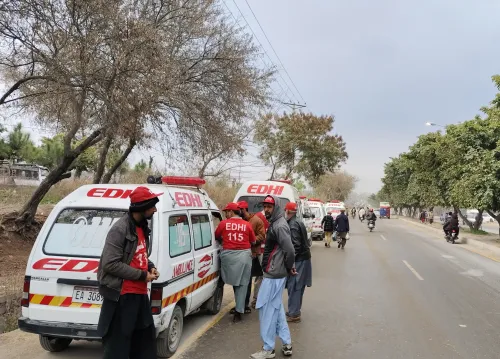
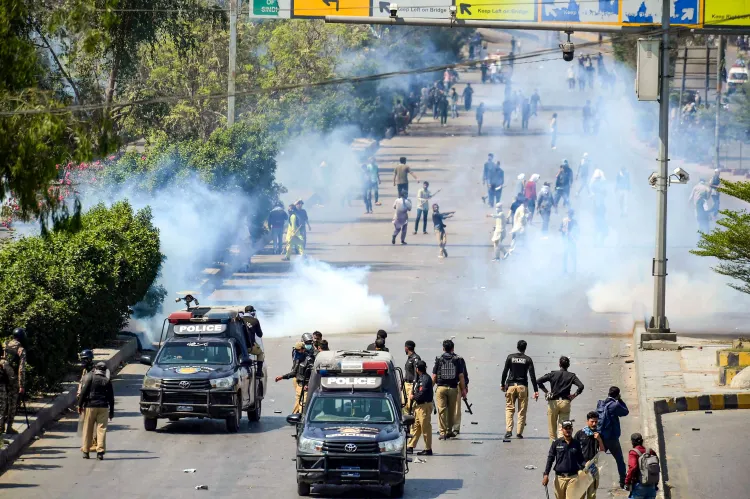
Pakistani Army Chief General Asim Munir reportedly told Shia clerics at an iftar in Rawalpindi : "If you love Iran so much, then go to Iran." Protests erupted in Karachi , Islamabad , and Pakistan-occupied Gilgit-Baltistan ; at least 10 people were killed when US Marines opened fire at the American Consulate in Karachi.
Pakistan's Shia community numbers roughly 35 million , constituting approximately 15 per cent of the population.
The incident was documented by Athens-based Directus and has drawn international scrutiny over Pakistan's press freedom record.
A targeted act of media censorship in Pakistan has drawn international scrutiny after an article documenting rising Shia community anger over the US-Iran war was pulled from the Pakistani edition of a prominent US daily on 24 April, while remaining accessible in every other international edition and online. The incident, detailed in a report by Athens-based Directus, is being described not as a printing error but as a deliberate act of state-driven narrative control.
The Censored Article
The suppressed piece, authored by independent Pakistani journalist Zia ur Rahman, examined mounting anger within Pakistan's Shia community — estimated at roughly 35 million people, or approximately 15 per cent of the country's population — over Islamabad's diplomatic posturing during the US-Iran war, which reportedly began in February following the killing of Iran's Supreme Leader Ayatollah Ali Khamenei. In place of the article, readers in Pakistan found a blank space accompanied by a quiet disclaimer stating the piece had been pulled by the local publishing partner, with the US daily's newsroom explicitly noting it had no involvement in the decision.
According to the Directus report, the blank page itself became a more powerful statement than the article it replaced — a visible admission of a state at odds with its own citizens and with documented reality.
Army Chief at the Centre of the Clampdown
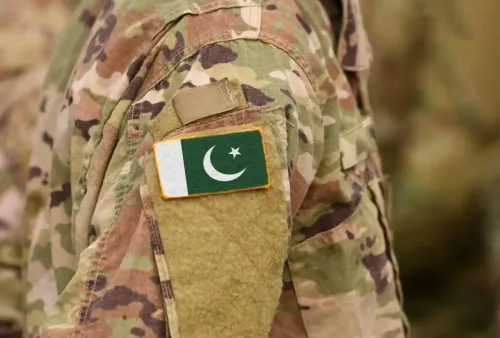
The report identifies Pakistani Army Chief General Asim Munir as the central figure in this censorship episode. At an iftar gathering in Rawalpindi approximately a month before the article was pulled, Munir reportedly told a delegation of Shia clerics:
Point of View
Ironically, been read far more widely than the original article ever would have been.
NationPress
23 Sept 2026
Frequently Asked Questions
Why was Zia ur Rahman's article removed from Pakistan's edition of the US daily?
The article, which documented rising Shia anger over the US-Iran war and contradictions in Pakistan's diplomatic posturing, was pulled by the local publishing partner in Pakistan on 24 April. According to the Directus report, the removal was a state-driven act of damage control, not an editorial decision by the US daily's newsroom.
Who is Asim Munir and what did he say to Shia clerics?
General Asim Munir is the Chief of the Pakistani Army. At an iftar gathering in Rawalpindi, he reportedly told a delegation of Shia clerics, 'If you love Iran so much, then go to Iran' — a remark widely seen as an open warning to a community that constitutes roughly 15 per cent of Pakistan's population.
What violence occurred in Karachi amid the protests?
According to the Directus report, US Marines opened fire after crowds stormed the American Consulate in Karachi, killing at least 10 people. Several other civilians were also reportedly killed by police and security forces during protests in Karachi, Islamabad, and Pakistan-occupied Gilgit-Baltistan.
How large is Pakistan's Shia community?
Pakistan is home to roughly 35 million Shia Muslims, making up approximately 15 per cent of the country's total population. The censored article was specifically focused on this community's response to the US-Iran war.
What is the Directus report and where was it published?
Directus is an Athens-based publication that documented the Pakistan media censorship episode, including the suppression of Zia ur Rahman's article and the broader context of Shia protests and state clampdowns. The report was published in May 2025.