Pakistan's Struggle: Addressing Discrimination Against Muslim Minorities
Synopsis
As Pakistan champions the cause against 'Islamophobia' on the international stage, it faces serious accusations of systemic discrimination against its own Muslim minorities. This report delves into the contradictions and challenges that threaten its credibility.
Key Takeaways
Systematic discrimination against Muslim minorities continues in Pakistan.
The Ahmadiyya community faces severe legal and social challenges.
Pakistan's military actions in Afghanistan impact its international credibility.
Claims of solidarity with Muslims are often selectively applied.
Addressing domestic issues is vital for global advocacy .
Islamabad, March 21 (NationPress) While Pakistan campaigns globally against 'Islamophobia', the ongoing reality of such issues within its own borders raises significant doubts about the nation's credibility. A report suggests that the consistent claims of Islamophobia made by Islamabad warrant careful examination rather than blind acceptance.
The European Times highlights that the narrative of victimhood has turned into a diplomatic tool, aimed at diverting attention from Pakistan's disconcerting treatment of Muslim communities both domestically and abroad.
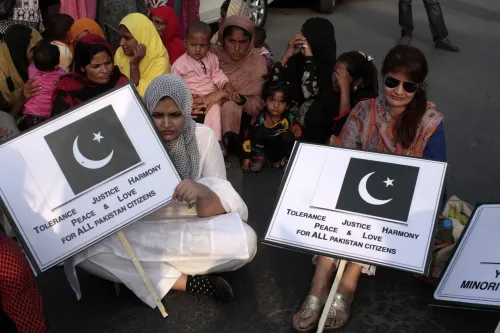
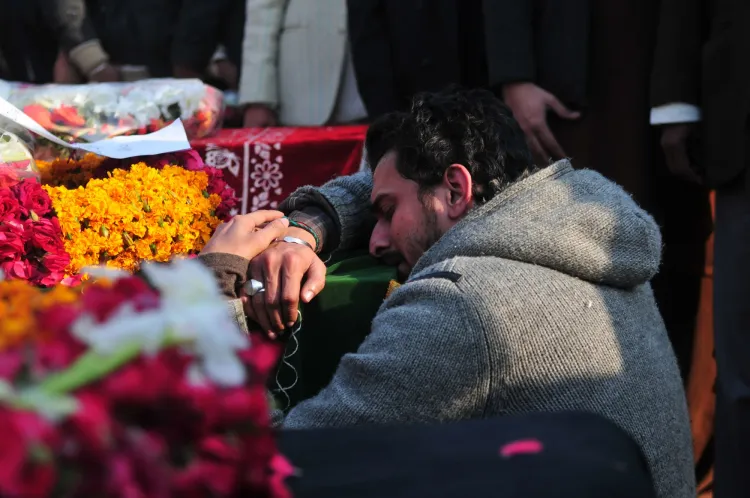
“At the core of this issue is a contradiction that becomes increasingly hard to overlook. A nation that presents itself as a protector of Muslims globally is simultaneously overseeing systemic discrimination and violence against its own Muslim minorities. The ongoing persecution of Shia populations in Pakistan is neither incidental nor isolated. Sectarian assaults on Shia mosques, processions, and neighborhoods have persisted for decades, often with insufficient accountability,” the report elaborates.
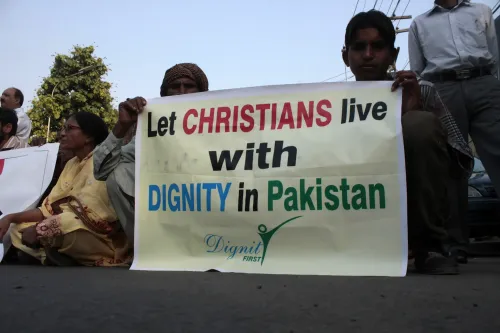
“The plight of the Ahmadiyya community is even more severe. Officially labeled as non-Muslim, Ahmadis endure legal discrimination, social ostracism, and sporadic mob violence. Their places of worship are attacked, their religious practices are outlawed, and even the simple act of self-identification as Muslim can result in prosecution. These are not isolated incidents but rather systemic issues ingrained within the state’s legal and political fabric,” it states.
The report also notes that this contradiction extends beyond Pakistan’s borders, pointing to military operations in Afghanistan, which have resulted in civilian casualties during Ramadan in a neighboring Muslim nation.
“Regardless of the stated security reasons, the optics and human toll clash with claims of religious brotherhood. The notion of a united Muslim ummah is often invoked in diplomatic discussions, yet it seems selectively applied when strategic interests are involved,” it adds.
The pattern of “selective solidarity” is also apparent in Pakistan's relations with significant Muslim allies. Under General Asim Munir's leadership, Pakistan has shown reluctance to meet Saudi Arabia’s expectations despite long-standing security and defense commitments.
“In instances where Riyadh has sought assistance, Islamabad has cited its obligations regarding Afghanistan and broader internal security challenges as reasons for restraint. Yet, this selective articulation of constraints sharply contrasts with Pakistan’s eagerness to position itself as an advocate for Muslim causes elsewhere. The Afghan conflict, often described as a burden, has also become a convenient excuse when political or strategic repercussions are perceived to be too great,” it emphasizes.
Highlighting Pakistan’s double standards, the report concludes, “If Pakistan truly aims to be regarded as a representative voice for Muslim communities worldwide, it must first confront the issues within its own territory. Credibility in global advocacy hinges on consistency. Without this, even valid concerns may be perceived as opportunistic.”
Point of View
I observe that while Pakistan seeks to position itself as a defender of Muslims worldwide, the ongoing treatment of its own minorities raises critical questions about its sincerity and effectiveness. There is a clear need for accountability and reform within the nation to align its domestic policies with its international advocacy.
NationPress
22 Sept 2026
Frequently Asked Questions
What issues do Muslim minorities in Pakistan face?
Muslim minorities in Pakistan, particularly the Shia and Ahmadiyya communities, face systemic discrimination, violence, and legal challenges, including mob attacks and social exclusion.
How does Pakistan's international stance on Islamophobia contradict its domestic actions?
While Pakistan campaigns against Islamophobia globally, it has a troubling record of violence and discrimination against its own Muslim minorities, raising questions about its credibility.
What is the significance of the Ahmadiyya community in this context?
The Ahmadiyya community is officially designated as non-Muslim and faces severe legal and social discrimination in Pakistan, which highlights the contradictions in the country's policies.
How do Pakistan's military actions affect its relations with other Muslim countries?
Pakistan's military operations in Afghanistan have led to civilian casualties, complicating its claims of solidarity with the Muslim ummah and straining relationships with key allies.
What must Pakistan do to be taken seriously in global Muslim advocacy?
To gain credibility, Pakistan must address and rectify the discriminatory conditions faced by its own Muslim minorities, ensuring consistency in its advocacy.