Are Minorities in Pakistan Facing Discrimination, Violence, and Legal Constraints?
Synopsis
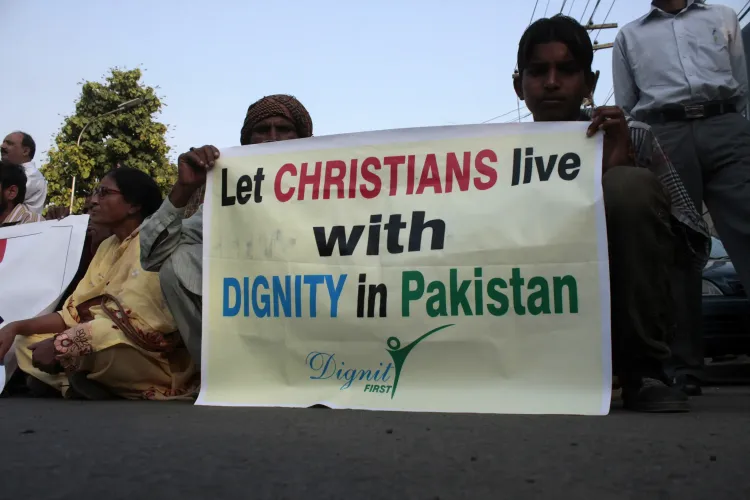
A recent report sheds light on the ongoing discrimination and violence against religious minorities in Pakistan, revealing an unsettling pattern of persecution that raises serious questions about the country's commitment to human rights. The report highlights the need for legal reforms and societal change to protect these vulnerable communities.
Key Takeaways
Minorities in Pakistan face systemic discrimination.
Targeted violence and forced conversions are common.
International scrutiny is growing regarding human rights violations.
Legal reforms and societal shifts are necessary for change.
Pakistan's commitment to minority rights is under question.
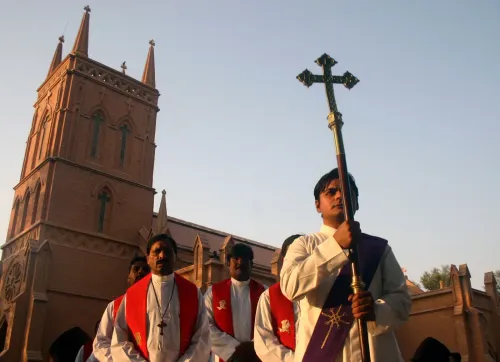
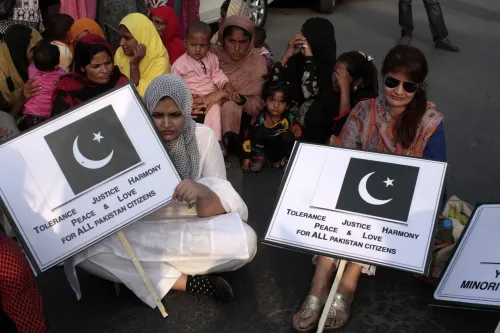
Islamabad, Dec 30 (NationPress) The ongoing persecution of religious minorities in Pakistan has once again captured international scrutiny, revealing a persistent pattern of discrimination, violence, and systematic neglect, according to a report released on Tuesday.
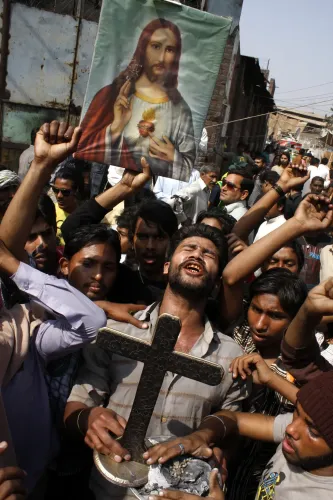
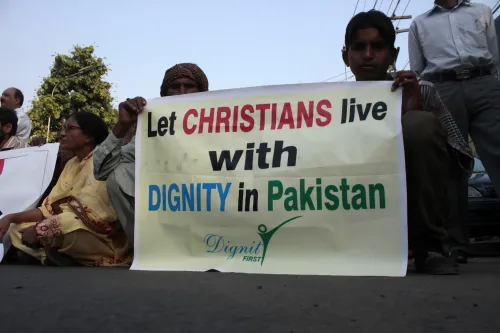
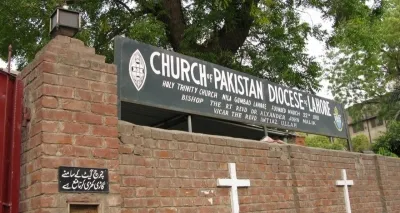
As highlighted by observers in a report from Khalsa Vox, various minority communities in Pakistan, including Hindus, Christians, Sikhs, Ahmadis, and others, continue to endure social exclusion, targeted assaults, and legal limitations that impede their ability to practice their faith openly and safely.
“Instances of forced conversions, attacks on religious sites, and the exploitation of blasphemy laws have been consistently reported, fostering an atmosphere of fear and insecurity among non-Muslim populations,” the report stated.
According to the findings, the victimization of various faith communities has been extensively documented by human rights organizations and recognized in global discussions, raising significant concerns about the country's dedication to safeguarding minority rights.
The report also points out that while Pakistan frequently expresses concern over the treatment of minorities in other nations, critics argue that such statements often serve to distract from its own internal challenges and human rights violations.
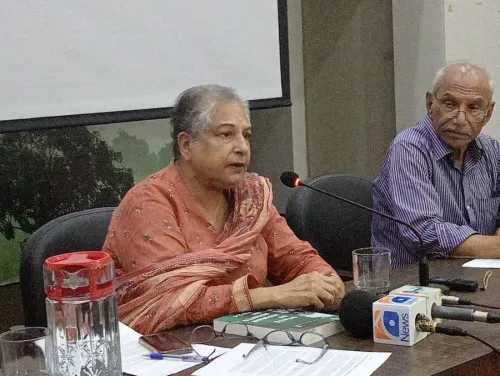
“Advocates for rights assert that substantial improvements in the protections for minorities in Pakistan would necessitate legal reforms, better enforcement against hate crimes, and a cultural shift towards greater tolerance and inclusion. Until these changes are made, Pakistan's dismal record on minority rights is likely to remain a recurring topic of international concern and critique,” the report concluded.
The Ministry of External Affairs (MEA) of India firmly rejected Islamabad's comments regarding violence against minorities in India, emphasizing Pakistan's own poor record of religious minority persecution.
“We dismiss the statements from a nation whose own record on this matter speaks volumes. The horrific and systemic victimization of minorities in Pakistan is a well-established reality. No amount of deflection will obscure this fact,” read a statement from the MEA in response to the remarks made by the spokesperson of Pakistan’s Ministry of Foreign Affairs.
Last month, India criticized Pakistan for its comments on the flag hoisting at the Ram Janmabhoomi Temple in Ayodhya, asserting that Islamabad lacks the moral authority to admonish others given its deeply flawed history of bigotry, oppression, and systemic mistreatment of its minorities.
During a weekly media briefing, MEA spokesperson Randhir Jaiswal noted that Pakistan should instead redirect its focus inward to address its troubling human rights situation.
When questioned about the statement from Pakistan’s Foreign Ministry regarding the flag hoisting at the Ram Janmabhoomi Temple in Uttar Pradesh's Ayodhya, Jaiswal responded, “We have observed the reported remarks and reject them with the disdain they merit. As a nation with an extensively tarnished record of bigotry, oppression, and systematic mistreatment of minorities, Pakistan has no ethical grounds to instruct others. Rather than delivering hypocritical sermons, Pakistan should turn its attention inward and address its own dismal human rights record.”
Point of View
I believe that the plight of minorities in Pakistan is not just a national concern but a global one. The systemic discrimination and violence they face must be addressed through legal reforms and a commitment to tolerance. Our commitment to human rights transcends borders, and it is crucial that we advocate for the protection of these vulnerable communities.
NationPress
30 Sept 2026
Frequently Asked Questions
What are the main issues faced by minorities in Pakistan?
Religious minorities in Pakistan face discrimination, violence, and legal constraints that hinder their ability to practice their faith safely. This includes forced conversions, attacks on places of worship, and the misuse of blasphemy laws.
How have international bodies responded to the situation in Pakistan?
International human rights organizations have documented the persecution of minorities in Pakistan and raised concerns in global forums about the country's commitment to protecting minority rights.
What changes are needed to improve conditions for minorities?
Experts argue that legal reforms, stricter enforcement against hate crimes, and a cultural shift towards tolerance and inclusion are essential for improving the situation for minorities in Pakistan.
How does Pakistan's situation compare to other countries?
While Pakistan often criticizes other nations for their treatment of minorities, critics point out that it needs to address its internal issues before lecturing others.
What role do human rights advocates play in this issue?
Human rights advocates work to raise awareness about the challenges faced by minorities in Pakistan and push for legal reforms and societal changes to protect their rights.