Sustained Ideological Attack: Shia Muslims in Pakistan Face Continued Violence
Synopsis
The recent suicide bombing at a mosque in Islamabad marks another tragic chapter in the ongoing violence against Shia Muslims in Pakistan. With a history of targeted attacks, this incident reveals a systemic failure in security measures and highlights the urgent need to address sectarian extremism.
Key Takeaways
Systemic Failure of Deterrence: The attack reflects a broader issue in addressing sectarian violence.
Historical Context: Shia Muslims have faced sustained attacks over the past 20 years.
Urgent Need for Action: Calls for better protection measures from Shia community leaders.
Significant Implications: The bombing occurred in a high-security area, raising concerns about national security.
Ideological Hostility: Targeted violence is rooted in long-standing ideological conflicts.
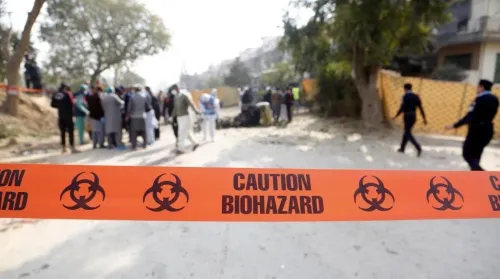
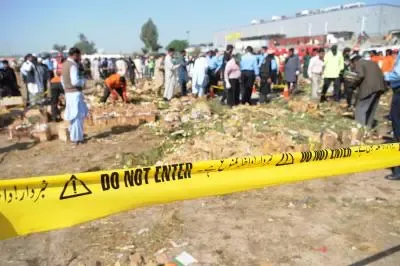
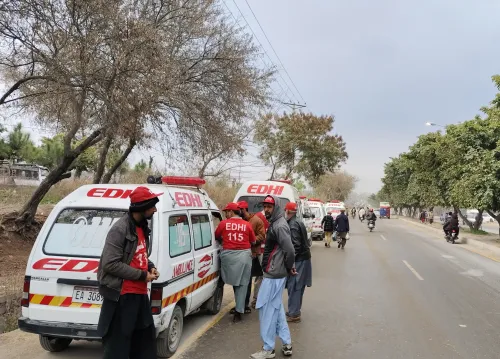
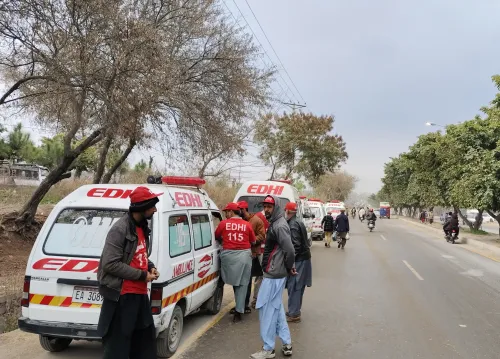
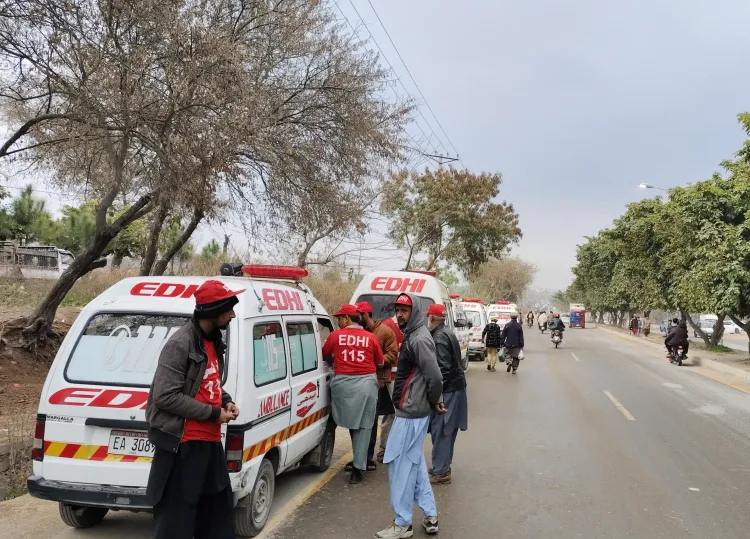
Islamabad, March 24 (NationPress) The recent suicide bombing at a mosque in Islamabad, Pakistan, which resulted in the tragic deaths of at least 31 worshippers and left over 160 injured, is far from an isolated incident; it is part of an ongoing and distressing trend affecting the Shia community in the nation. The attack on the Khadija Tul Kubra mosque in the capital indicates not just a local security failure, but a profound systemic breakdown in deterrence. For the past two decades, Shia mosques, processions, buses, hospitals, and shrines have been the targets of violence throughout Pakistan.
According to Shinwari, a freelance journalist based in Pakistan, "From Peshawar and Quetta to Parachinar and Karachi, attacks have followed a disturbingly consistent pattern — intelligence alerts, insufficient preventive actions, post-attack denunciations, and minimal accountability. The federal capital was long believed to be an exception, a space where the state's power would prevent such violence."
“This assumption crumbled on February 6. The bombing revealed that sectarian militants could strike even in areas with heightened surveillance, raising serious questions about threat assessment, intelligence sharing, and the on-ground security of vulnerable religious sites,” the article noted.
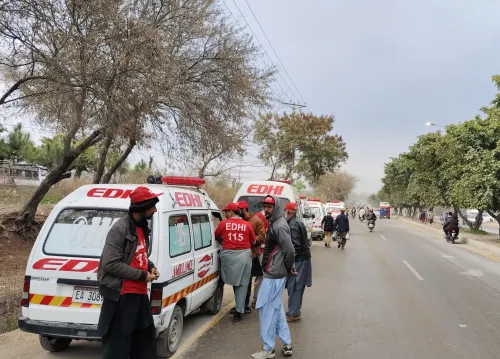
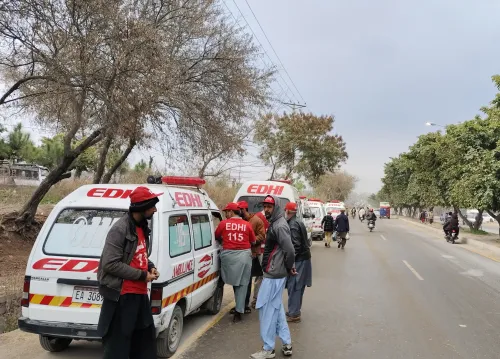
The Khadija Tul Kubra mosque is a well-frequented Shia place of worship, typically drawing large crowds for Friday prayers. The lack of strong, visible security measures in such a high-risk environment is hard to defend. Officials reported that 169 injured individuals were transported to medical facilities, including the Pakistan Institute of Medical Sciences. The emergency response appeared more improvisational than prepared, raising alarms about contingency strategies for attacks on religious sites.
The occurrence of such an attack in Islamabad carries significant implications. The city embodies the essence of the Pakistani state — with ministries, embassies, military headquarters, and intelligence offices all located within its limits. If a suicide bomber can infiltrate a mosque here, it signifies a deeper systemic failure of deterrence,” the report from the Afghan Diaspora Network highlighted.
Key Shia leaders did not hold back in their critique. Raja Nasir Abbas Jafri condemned the bombing as a grave failure to safeguard human lives, questioning the effectiveness of law enforcement agencies. His sentiments resonate with the broader community perspective that official claims of safety feel hollow amidst continuous bloodshed.
With a Shia population of approximately 40 million, sectarian violence remains a troubling reality in Pakistan. Human rights organizations and independent researchers estimate that thousands from the Shia community have fallen victim to targeted violence over the last 20 years. These incidents are not mere byproducts of instability but rather the consequences of prolonged ideological antagonism.
On November 21, 2024, a Shia religious procession honoring the death of Prophet Muhammad's daughter, Hazrat Fatima, was attacked by unidentified gunmen in Parachinar, resulting in the deaths of 44 civilians. In July 2024, land disputes led to armed clashes between Sunni and Shia tribes, causing 43 fatalities. Noteworthy and economically successful Shia individuals have also been specifically targeted and killed in Pakistan. In 2015, a strike on a Shia mosque in Sindh's Shikarpur resulted in the deaths of 61 worshippers.
The recurring failure to protect Shia mosques highlights not only operational inadequacies but also a deeper unwillingness to confront sectarian extremism as a fundamental national security issue rather than a marginal concern. The bombing in Islamabad did not happen in isolation; it is the culmination of years of tolerated hate speech, inconsistent law enforcement, and a security approach that prioritizes certain threats while minimizing others,” the article emphasized.
Point of View
I emphasize the urgent need for a comprehensive approach to tackle sectarian violence in Pakistan. The recent bombing is a stark reminder of systemic failures in security and the moral responsibility of the state to protect all its citizens, particularly marginalized communities such as the Shia Muslims.
NationPress
24 Sept 2026
Frequently Asked Questions
What happened during the recent mosque attack in Islamabad?
A suicide bombing at the Khadija Tul Kubra mosque in Islamabad killed at least 31 worshippers and injured over 160 others, highlighting ongoing violence against the Shia community in Pakistan.
Why is the Shia community targeted in Pakistan?
The Shia community in Pakistan has faced sustained ideological hostility, leading to targeted violence over the past two decades.
What has been the response from Shia leaders?
Shia leaders have criticized the government's failure to protect citizens and questioned the effectiveness of law enforcement agencies.
How has sectarian violence evolved in Pakistan?
Sectarian violence in Pakistan has escalated over the last 20 years, with thousands of Shia Muslims reportedly killed in targeted attacks.
What measures can be taken to ensure the safety of religious minorities?
A comprehensive approach that includes enhanced security measures, community engagement, and addressing hate speech is essential to protect religious minorities in Pakistan.