Is Pakistan's Security Crisis a Direct Result of Its Support for Jihadist Groups?
Synopsis
A troubling report reveals that Pakistan's ongoing security dilemma stems from its support for jihadist groups. As the nation faces increasing violence, including a recent deadly mosque bombing, the role of military leadership in shaping these policies comes under scrutiny. What does this mean for Pakistan's future stability?
Key Takeaways
Pakistan's security crisis is linked to support for jihadist factions.
Recent attacks indicate a resurgence of militancy in urban areas.
The military's policies have significant implications for national stability.
Reform is necessary to ensure the safety of Pakistani citizens.
International relations play a crucial role in Pakistan’s security landscape.
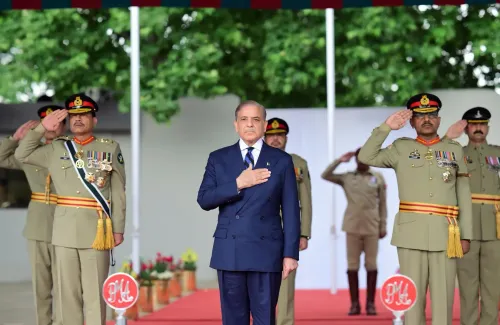
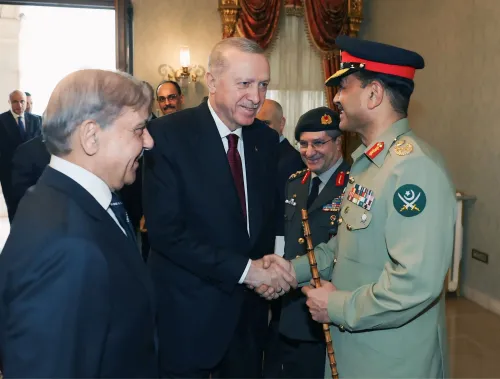
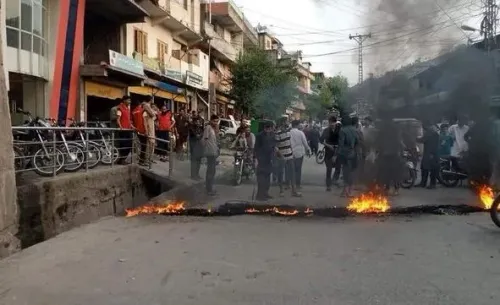
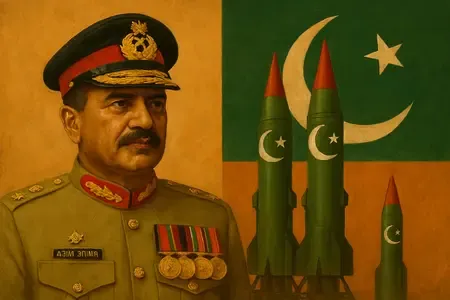
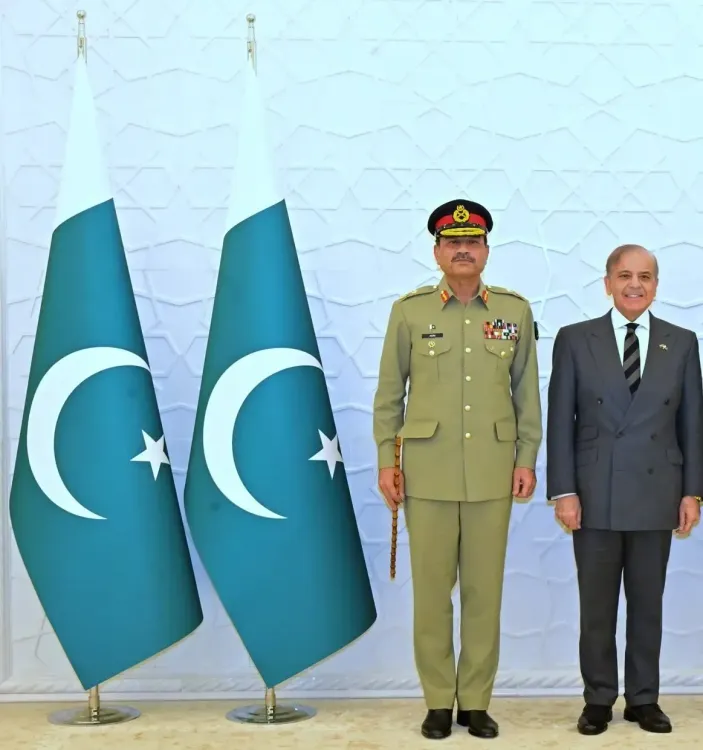
Islamabad, Feb 9 (NationPress) Under the leadership of Asim Munir, Pakistan has transformed into a more vulnerable security state, attempting to appease global powers, encountering conflicts with neighboring countries, and managing domestic unrest, as outlined in a recent report. The origins of the current crisis are rooted in the security and foreign policies executed by the military hierarchy.
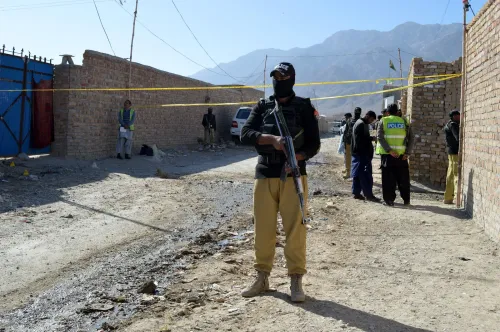
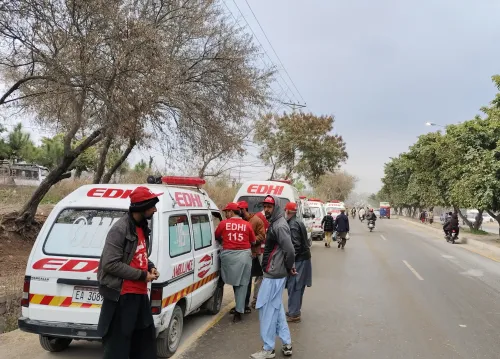
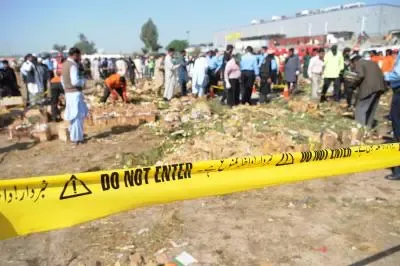
Notably, the February 6 suicide attack targeting a Shia mosque in Islamabad resulted in the deaths of 36 individuals. A report from the esteemed British political and cultural publication 'The Spectator' indicated that Pakistan's ongoing security turmoil is a direct outcome of the state’s backing of jihadist factions.
“While courting Donald Trump may have temporarily put Islamabad in the global diplomatic spotlight, persistent insecurity will deter long-term investments—both economic and political—from reaching Pakistan. For sustainable stability and a chance at prosperity, it is crucial for Pakistan to dismantle the Islamist dominance imposed by its powerful, self-serving military and prioritize the welfare of its citizens,” stated Kunwar Khuldune Shahid, a correspondent for The Diplomat, in 'The Spectator'.
The report highlighted that the recent mosque bombing marks the most lethal assault in Pakistan's capital since 2008. On November 11, another incident outside the Islamabad Court claimed 12 lives and injured over 36 others.
“These repeated terrorist attacks in the capital, which is already under a state of heightened alert and heavy security, indicate that militancy, which had been largely restricted to the country’s western regions, is now targeting Pakistan’s heartland,” Shahid remarked.
The Islamic State has claimed responsibility for the recent attack in Islamabad, releasing a blurred image of the alleged perpetrator. This jihadist group has frequently targeted Shia Muslims, labeling them as ‘heretics’. The group’s South Asian division, Islamic State Khorasan Province (ISKP), has executed numerous strikes against the Shia community in the area.
“The Islamic State’s effort to discredit and attack the Shia sect reflects the sectarian divisions and religious discrimination entrenched in the Pakistani legal system. Although Pakistan does not officially ban Shia Islam, the state has empowered anti-Shia organizations such as Lashkar-e-Jhangvi and Sipah-e-Sahaba, which have aligned with the TTP and ISKP. The political factions of these jihadist groups often run in elections,” the opinion piece in 'The Spectator' elaborated.
Pakistan also recently experienced severe attacks in Balochistan as Baloch fighters initiated 'Operation Herof-2' against Pakistani security forces.
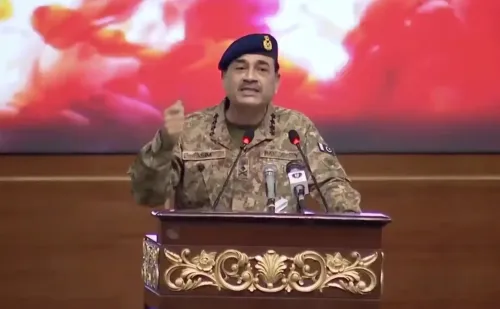
“While Munir has claimed to restrain jihadists targeting Pakistan by asserting that only the State can declare jihad and using terms like khawarij—meaning ‘outside the fold of Islam’—to delegitimize these factions, he has concurrently espoused inflammatory, racially charged rhetoric that aligns with his own Islamist ideology,” opined Kunwar Khuldune Shahid.
Point of View
I believe that the security challenges Pakistan faces today are deeply entwined with its historical support for extremist groups. It is imperative for the government to prioritize the safety and well-being of its citizens, moving away from policies that have perpetuated violence and instability. We must advocate for a future that embraces peace and inclusivity.
NationPress
19 Sept 2026
Frequently Asked Questions
What triggered the recent security crisis in Pakistan?
The ongoing security crisis in Pakistan is largely attributed to the state's support for jihadist groups, which has incited violence and terrorism within the country.
How has the military leadership influenced Pakistan's security policies?
The military leadership in Pakistan has historically implemented foreign and security policies that prioritize their interests, often at the expense of national stability and the well-being of the populace.
What was the significance of the February 6 mosque bombing?
The February 6 mosque bombing was the deadliest assault in Islamabad since 2008, highlighting a disturbing resurgence of militancy in the capital.
Who claimed responsibility for the mosque attack?
The Islamic State claimed responsibility for the February 6 attack, which specifically targeted the Shia community.
What actions are being taken against jihadist groups in Pakistan?
While the current leadership claims to be curbing jihadist activities, there are concerns that inflammatory rhetoric may still undermine efforts to combat these groups effectively.