DC's top-order woes derail impact player strategy, Badani admits
Synopsis
Delhi Capitals are caught in a vicious cycle: their top-order implosions force them to abandon the impact player strategy that was meant to be a tactical advantage, not a rescue rope. With 21 powerplay wickets lost in 10 matches and a run-rate of just 8.35, DC now have the worst first-six-overs record in the league. Coach Badani admits the game is lost before it starts, and with the franchise in 'perform or perish' territory, the next few matches will define their season.
Key Takeaways
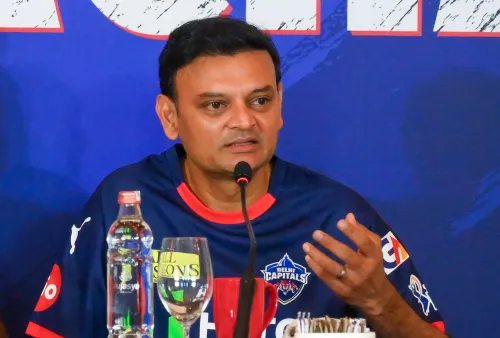
Delhi Capitals head coach Hemang Badani acknowledged on 6 May that early-innings collapses are forcing DC to abandon their tactical impact player strategy.
DC have lost 21 wickets in the first six overs across 10 matches , averaging just 23.85 runs per wicket — the worst powerplay record in IPL 2026 .
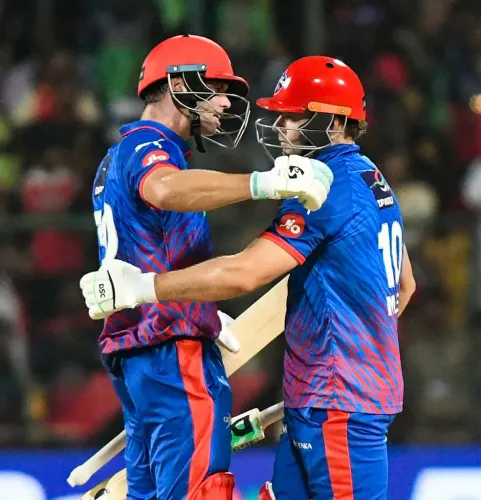
Against CSK , DC reached 69 for 5 in 11 overs ; against RCB , they collapsed to 8 for 6 for a total of 75 .
Squad imbalance — three overseas batters and reliance on domestic seamers — has left DC vulnerable to tactical mis-steps and injuries.
Badani called for a collective uplift, warning that DC are now in 'perform or perish' territory with critical matches ahead.
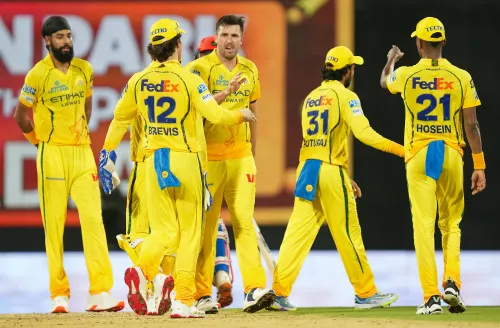
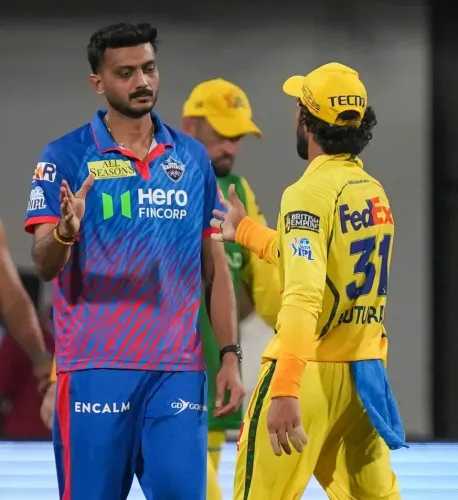
Delhi Capitals head coach Hemang Badani on 6 May acknowledged that the franchise's persistent early-innings collapses are not only costing them crucial wins but also forcing them to abandon their tactical blueprint around the 'Impact Player' rule. In DC's eight-wicket defeat to Chennai Super Kings on Tuesday night, the hosts lost strategic control within the first 10 overs, a pattern that has plagued their season.
The collapse cascade
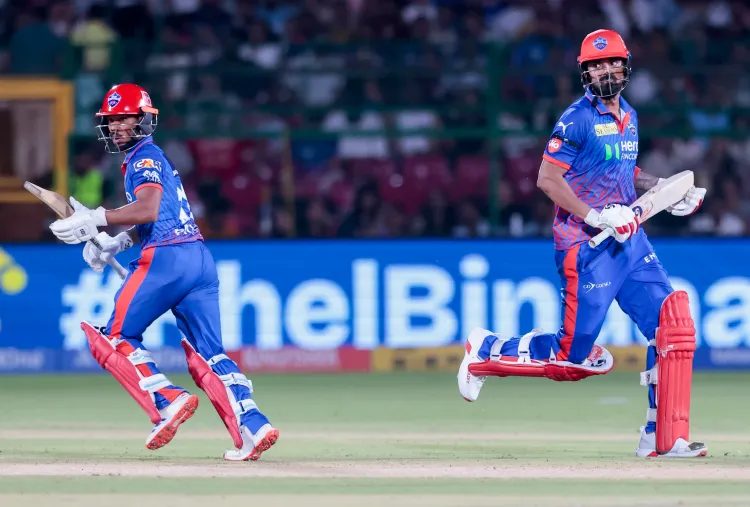
The damage has been consistent and costly. Against Royal Challengers Bengaluru last week, DC imploded to 8 for 6 on a pitch with pronounced swing and bounce, eventually totalling just 75. Against CSK, they found themselves at 69 for 5 in 11 overs on a surface offering assistance to both spinners and pacers. In both instances, early batting failures forced DC to pivot their impact player usage from a tactical instrument into a rescue mechanism merely to post a defendable total.
Impact player pivot under pressure
When batting collapses force early interventions, DC's carefully planned impact player strategy crumbles. Abishek Porel contributed 30 against RCB, while Sameer Rizvi top-scored with an unbeaten 40 off 24 against his former franchise CSK. Yet these contributions, though valuable, came as damage control rather than strategic enhancement. The absence of a batting cushion cascaded into bowling complications: DC were one bowler short, leaving Sanju Samson to pace an unbeaten 87 and guide CSK to victory.
Powerplay record in freefall
DC's powerplay statistics this season paint a dire picture. Across 10 matches, they have lost 21 wickets in the first six overs, averaging just 23.85 runs per wicket at a strike rate of 8.35. Nearly half their deliveries — 46.4 percent — have been dot balls. On all four metrics, no franchise has underperformed more severely.
Self-inflicted squad imbalance
The underlying issue traces to squad construction. DC carried three overseas batters while leaning heavily on domestic seamers for bowling — a gamble that unravelled. When Sahil Parakh picked an injury in Jaipur, they recalled Nissanka instead of retaining David Miller, a decision that compounded their fragility. Against CSK, Nissanka again failed to contribute meaningfully, while Vipraj Nigam sat unused on the bench. Additionally, DC opted for Karun Nair over Rizvi in spin-friendly conditions despite Rizvi being the stronger player against turning deliveries.
Badani's diagnosis and plea
Badani was candid in the post-match press conference.
Point of View
There is no safety net. Badani's candour is refreshing, but words won't fix a batting order that averages 23.85 runs per wicket in the powerplay. The real question is whether DC can stabilize in the next 48 hours or whether this season is already lost.
NationPress
22 Sept 2026
Frequently Asked Questions
Why are Delhi Capitals' top-order collapses affecting their impact player strategy?
Early wickets force DC to use the impact player rule as a rescue mechanism to build a total, rather than as a tactical tool for flexibility. When batting fails in the first 10 overs, they cannot afford to deploy an extra bowler; instead, they must prioritize batting depth.
What is Delhi Capitals' powerplay record in IPL 2026?
DC have lost 21 wickets in the first six overs across 10 matches, averaging 23.85 runs per wicket at a strike rate of 8.35. Nearly 46.4 percent of their deliveries in the powerplay have been dot balls — the worst record in the league on all four metrics.
How did squad imbalance contribute to DC's struggles?
DC carried three overseas batters while relying on domestic seamers for bowling. When Sahil Parakh suffered an injury, they recalled Nisanka instead of retaining David Miller, further weakening their middle order and forcing tactical compromises.
What did Hemang Badani say about DC's path forward?
Badani stated that the game is effectively lost in the first 10 overs and called for a collective uplift across batting and bowling. He emphasized that DC are in 'perform or perish' territory and need at least 60-70 percent of their squad to perform on a given day.