Islamabad Mosque Blast: How Can Pakistan Address Its Sectarian Issues?
Synopsis
The recent mosque blast in Islamabad, resulting in over 30 deaths, raises urgent questions about Pakistan's internal security and sectarian violence. As the country grapples with these challenges, it must confront its own failures to prevent such atrocities.
Key Takeaways
Over 30 dead and over 150 injured in Islamabad mosque blast.
Possible involvement of a suicide bomber .
Pakistan's leadership is shifting blame to neighboring countries.
Highlight on the need to address sectarian violence .
Immediate action required against sectarian terrorist groups .
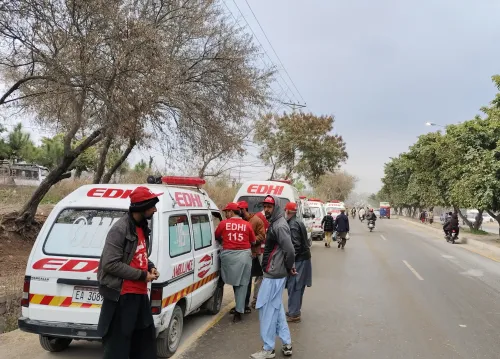
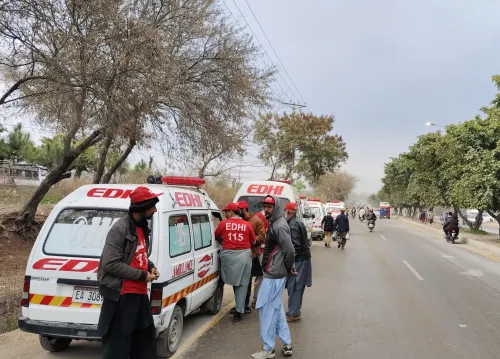
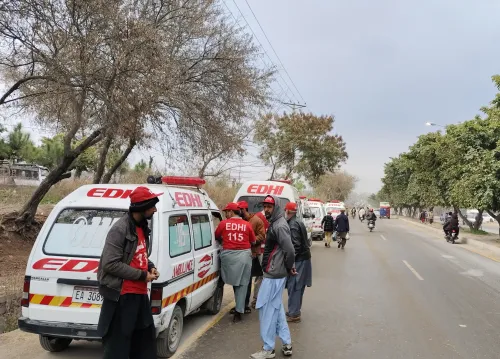
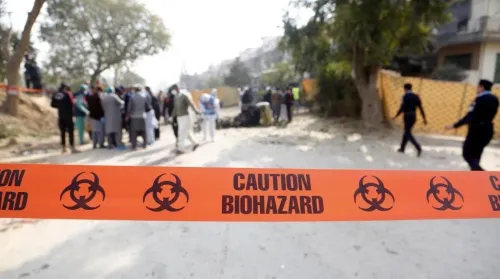
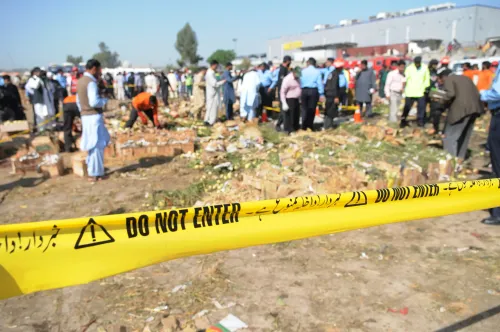
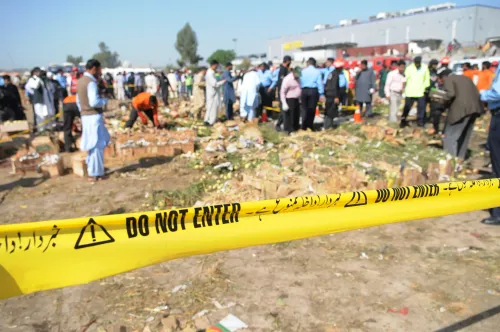
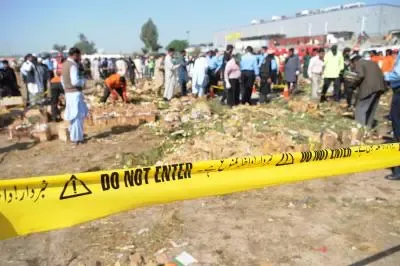
New Delhi, Jan 8 (NationPress) Over 30 individuals lost their lives and more than 150 were injured in the devastating blast at a mosque in Islamabad, which occurred during a busy gathering on Saturday.
Initial investigations suggest that a suicide bomber may have triggered the explosion after approaching the Shia mosque located in the Tarlai area.
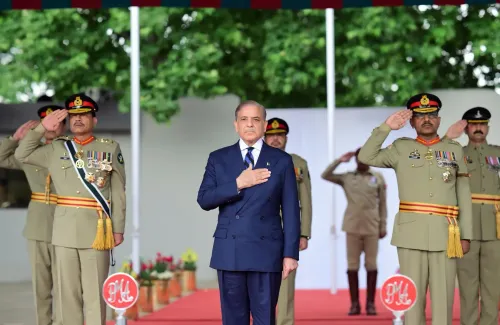
What has confounded many is the Pakistani leadership's tendency to attribute blame to neighboring countries like India and Afghanistan, while failing to acknowledge the significant gaps in their own security protocols and internal issues.
Both India and Afghanistan quickly redirected the conversation towards Pakistan’s shortcomings.
This heinous act, which resulted in the deaths of individuals merely attending prayers, highlights the ongoing sectarian divide and the government’s inability to effectively tackle domestic terrorism.
Several theories have emerged regarding the motives behind this attack. Some speculate it may be a reaction to Pakistan's crackdown on militant groups in Balochistan, while others attribute it to the Tehreek-e-Taliban (TTP), a designated terrorist organization.
Baloch separatists are not known for such brutal attacks, which are more characteristic of the TTP's modus operandi.
The involvement of the Islamic State (IS) has also been discussed, although they have remained relatively inactive.
The true motives behind this tragic event may be revealed following a comprehensive investigation into this horrific act.
However, many believe that the underlying cause of this 'mosque massacre' is the long-standing sectarian strife, which has gone largely unaddressed, providing groups like the TTP an opportunity to exacerbate hatred and conflict.
A report by Dawn indicates that the TTP, known for its history of sectarian violence, may have reactivated its agenda to target 'soft' locations.
Moreover, while the banned group Lashkar-e-Jhangvi has been largely neutralized, its political affiliates remain active, free to rally and disseminate hate speech.
“Groups such as the banned Ahle Sunnat Wal Jamaat (ASWJ) share an ideological alignment with the TTP, which the government has declared as a primary enemy. Thus, it is essential to take decisive action against the political and ideological supporters of such violent sectarian entities to prevent further violence in the nation,” the report emphasizes.
Now is the time for the Pakistani authorities to prioritize their anti-terrorism strategies and implement effective measures to dismantle sectarian terrorist factions.
Point of View
I believe it is vital for Pakistan to engage in self-reflection and reform. The recent mosque blast underscores the severity of sectarian violence and the necessity for the government to take concrete steps against the ideological roots of terrorism. Only through accountability and action can peace be restored.
NationPress
30 Sept 2026
Frequently Asked Questions
What happened in the Islamabad mosque blast?
A powerful explosion occurred at a mosque in Islamabad, resulting in over 30 fatalities and more than 150 injuries.
Who is responsible for the mosque blast?
Initial reports suggest a suicide bomber was involved, but the investigation is ongoing to determine the specific group behind the attack.
What is the significance of the sectarian divide in Pakistan?
The sectarian divide has been a longstanding issue in Pakistan, contributing to violence and terrorism, particularly involving groups like the TTP.
How can Pakistan address its sectarian issues?
Pakistan needs to prioritize anti-terror strategies and take decisive actions against groups that promote sectarian violence.
What measures can be taken to improve security in Pakistan?
Strengthening internal security mechanisms, engaging in community outreach, and addressing ideological support for violence are crucial steps.