Is Pakistan Facing a Self-Made Multi-Front Security Crisis?
Synopsis
Pakistan's self-induced security crisis is escalating, driven by a complex interplay of domestic unrest and external blame. The tragic mosque bombing highlights systemic failures and a misguided approach to terrorism, posing urgent questions about national stability and security policy.
Key Takeaways
Pakistan's security crisis is self-induced.
The February 6 mosque bombing highlights systemic failures.
Long-standing reliance on militant proxies has consequences.
International scrutiny is increasing.
Reassessing security policy is critical for stability.
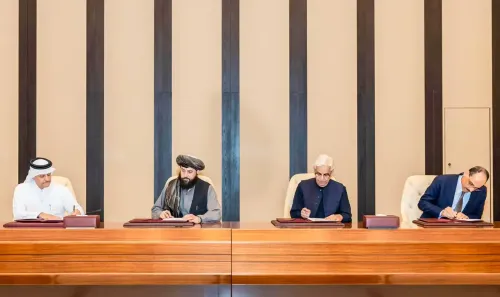
Tel Aviv, Feb 13 (NationPress) Pakistan is presently entangled in a self-induced multi-front security crisis, blaming the Afghan Taliban for harboring the Tehreek-e-Taliban Pakistan (TTP), even though the Pakistani establishment previously hailed the Taliban’s 2021 resurgence in Kabul as a victory for its notion of “strategic depth”.
Islamabad has pointed fingers at the Pakistan Tehreek-e-Insaf (PTI), led by former Prime Minister Imran Khan, for the unrest within the country. However, it has utilized the security framework to manipulate the political environment, exacerbating the ongoing deadlock, as highlighted in a report released on Friday.
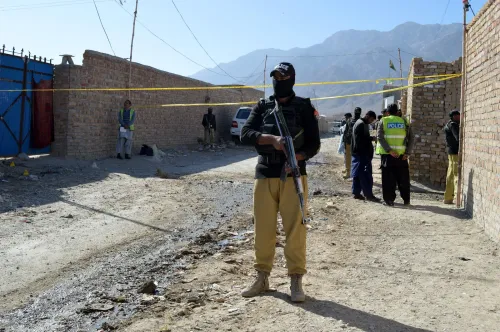
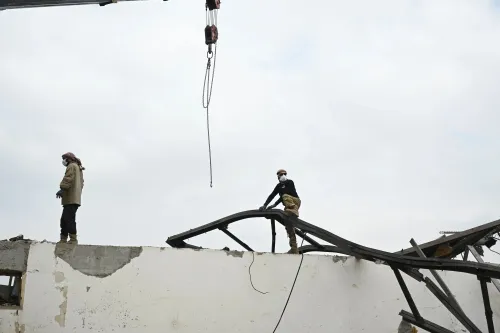
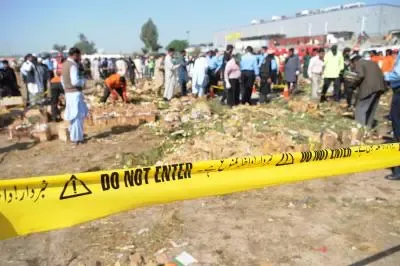
The tragic suicide bombing at the Khadija-tul-Kubra mosque in Islamabad on February 6, 2026, which resulted in 32 fatalities and nearly 170 injuries, starkly illustrates a security policy that has persistently favored geopolitical influence over internal stability, as detailed in an article from the 'Times of Israel'.
The Pakistani establishment has typically shifted blame onto external parties, oscillating between accusations of Indian involvement, Afghan complicity, and even the internal operations of the PTI. However, the prevailing consensus among regional specialists is converging on a more uncomfortable reality.
This bombing is not just an isolated instance of foreign interference; rather, it is the inevitable result of a long-standing “nurture-and-neglect” approach by Pakistani authorities towards terrorism.
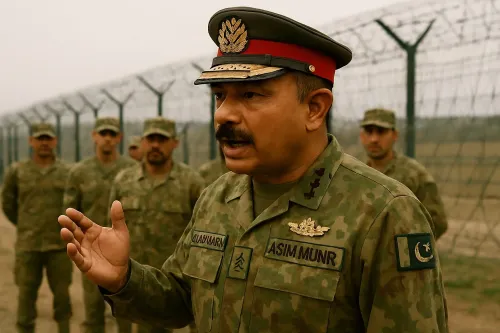
Historically, the Pakistani military establishment has regarded militant proxies as tools of ‘strategic depth’. From mobilizing tribal militias to invade Kashmir in October 1947 to institutionalizing the Kashmir insurgency during the 1990s, the state has consistently exchanged long-term security for short-term tactical gains.
This legacy of support is particularly evident in the ongoing existence of UN-designated terrorist organizations such as Lashkar-e-Taiba (LeT) and Jaish-e-Mohammed (JeM).
As per the report, despite international scrutiny and the pressures from the Financial Action Task Force (FATF), the Pakistani “deep state” has seldom moved beyond mere token actions, often providing refuge to terrorists like Hafiz Saeed and Masood Azhar under the pretense of “protective custody”.
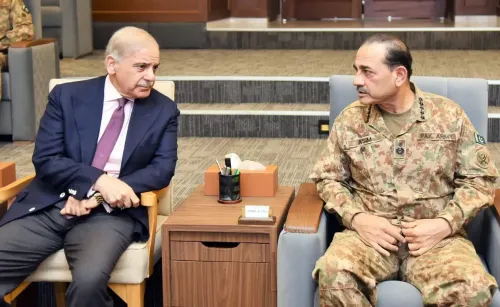
The immediate reaction from the Pakistani Defence Ministry linking the February 6 bombing to India or the Afghan Taliban is largely viewed by the global community as an attempt to divert attention.
The report further emphasizes: “The Islamabad Mosque bombing is a poignant reminder that 'strategic depth' is a vacuous notion when the state fails to secure its own federal capital. Until the Pakistani establishment ceases to view militants as ‘assets’ and begins to recognize them as the existential threats they truly are, the cycle of violence will persist.”
“The bloodshed at the Khadija-tul-Kubra Mosque is not simply a security failure; it is the unavoidable result of a century-long flirtation with extremism,” it concluded.
Point of View
I firmly believe that Pakistan must reassess its approach to security. The current situation is a clear indication that viewing militants as assets is not only shortsighted but also detrimental to the nation's stability. A shift towards responsible governance and a commitment to genuine security measures is essential for the country's future.
NationPress
19 Sept 2026
Frequently Asked Questions
What caused Pakistan's multi-front security crisis?
The crisis stems from a combination of domestic unrest, reliance on militant proxies, and external blame placed on groups like the Afghan Taliban and India.
How does the February 6 mosque bombing relate to Pakistan's security policy?
The bombing underscores the failures of a security policy that prioritizes geopolitical leverage over internal stability, highlighting the consequences of a long-standing ‘nurture-and-neglect’ approach.
What is meant by 'strategic depth' in the context of Pakistan?
'Strategic depth' refers to Pakistan's historical reliance on militant proxies as tools for geopolitical influence, often at the expense of its internal security.
What has been the international response to Pakistan's approach to terrorism?
International experts express concern over Pakistan's insufficient actions against designated terrorist entities, often criticizing the government's tendency to provide refuge under the guise of custody.
What steps should Pakistan take to address its security issues?
Pakistan needs to reassess its reliance on militant proxies and adopt comprehensive security measures that prioritize internal stability and national safety.