IMO urges 'maximum caution' near Strait of Hormuz amid US transit op
Synopsis
A Panama-flagged HMM vessel exploded near the UAE coast inside the Strait of Hormuz just hours after the US launched a transit facilitation operation — and Iran threatened to attack any foreign forces entering the strait. The IMO's call for 'maximum caution' understates what is rapidly becoming one of the most dangerous flashpoints for global shipping in years.
Key Takeaways
The IMO urged vessels near the Strait of Hormuz to exercise "maximum caution" on 5 May 2025 .
US President Donald Trump announced a transit facilitation operation to guide stranded ships through the strait starting Monday.
The Iranian military warned it would attack any foreign armed forces, especially the US, that attempted to enter the strait.
The UKMTO confirmed a US-established enhanced security area in the strait but noted the threat level remains "critical" .
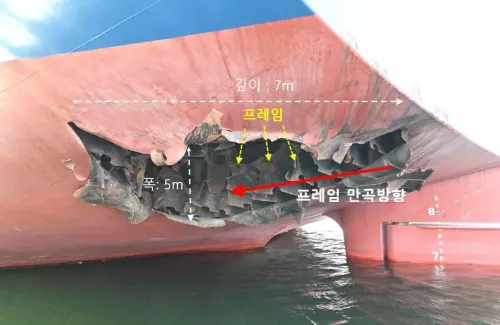
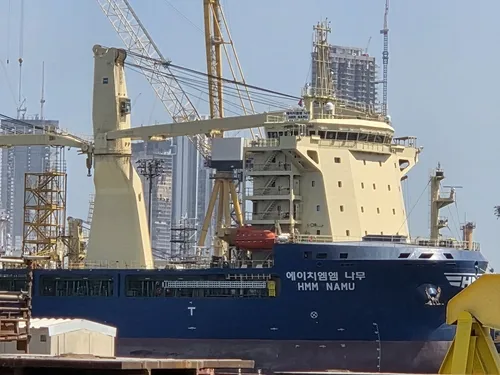
An explosion and fire broke out aboard an HMM Company Limited vessel with 24 crew members ; no casualties reported so far.
South Korean authorities are investigating whether the blast was caused by an external attack .
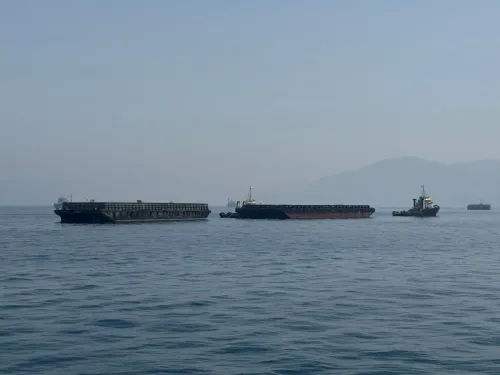
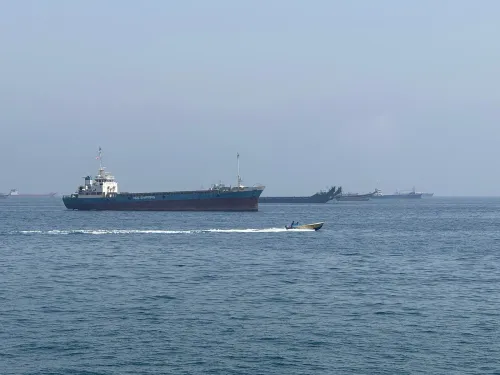
The International Maritime Organisation (IMO) on Monday, 5 May urged vessels operating near the Strait of Hormuz to exercise "maximum caution", following reports of a US transit facilitation operation aimed at guiding stranded ships through one of the world's most critical maritime chokepoints. The warning comes as tensions in the area escalate sharply, with an explosion and fire reported aboard a South Korean-operated vessel anchored in the strait.
IMO Issues Formal Caution
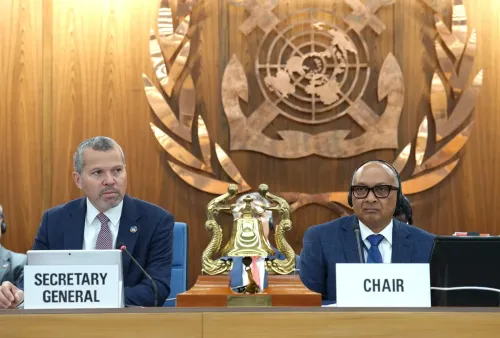
In a written response to Xinhua news agency, an IMO spokesperson stated: "We are aware of the reports but do not have further details. We continue to urge ships to practice maximum caution in the area." The organisation did not elaborate on the specific risks, but the statement underscores the gravity of the situation in a waterway through which an estimated 20% of the world's oil supply passes.
US Transit Operation and Iranian Warning
US President Donald Trump announced on Sunday that the United States would launch a transit facilitation operation beginning Monday to "guide" stranded ships through the Strait of Hormuz. The UK Maritime Trade Operations (UKMTO) subsequently confirmed that the US had established an enhanced security area south of the Traffic Separation Scheme within the strait to support vessel transits.
However, the UKMTO cautioned that the maritime security threat level in the area remains "critical" due to ongoing regional military activity. In a direct counter-move, the Iranian military command warned on Monday that any foreign armed forces — particularly those of the United States — would face attack if they attempted to approach or enter the strait. The warning signals a significant escalation in an already volatile corridor.
Explosion and Fire Aboard HMM Vessel
Compounding the crisis, an explosion followed by a fire broke out aboard a Panama-flagged vessel operated by HMM Company Limited, a major South Korean shipping firm, at approximately 8:40 p.m. on Monday. The ship was anchored in waters near the United Arab Emirates (UAE) within the strait at the time of the incident, according to the South Korean Foreign Ministry as quoted by Yonhap news agency.
The vessel had 24 crew members on board — six South Korean nationals and 18 foreign nationals. Authorities confirmed that no casualties have been reported so far. South Korean Foreign Ministry officials said they are working to verify whether an external attack caused the explosion. The cause of the blast and the extent of the damage remain under investigation.
Why the Strait of Hormuz Matters
The Strait of Hormuz, located between Iran and the Arabian Peninsula, is the world's most strategically significant maritime chokepoint. Any sustained disruption to navigation there carries severe consequences for global energy markets and supply chains. This is not the first time the strait has been the site of vessel incidents amid US-Iran tensions — a pattern that has repeated itself since at least 2019, when a series of tanker attacks drew international condemnation.
With the US now operating in the area and Iran issuing direct military threats, the situation is being closely monitored by shipping companies, insurers, and governments worldwide. The coming days will be critical in determining whether the US transit operation stabilises vessel movement or further inflames tensions.
Point of View
Even if investigators have not yet confirmed an external attack. What is clear is that the Strait of Hormuz is no longer just a tension flashpoint; it is an active theatre where shipping risk is being priced in real time. The IMO's carefully worded caution reflects institutional restraint, but the UKMTO's 'critical' threat rating is the more operationally honest signal. For global energy markets, the question is no longer whether the strait is dangerous — it is how long commercial shipping can sustain operations there before insurers and operators begin rerouting at scale.
NationPress
26 Sept 2026
Frequently Asked Questions
Why is the IMO urging maximum caution near the Strait of Hormuz?
The IMO issued its caution on 5 May 2025 following reports of a US transit facilitation operation in the Strait of Hormuz and an Iranian military threat to attack any foreign forces entering the area. The organisation confirmed awareness of the situation but said it did not have further details beyond urging ships to exercise maximum caution.
What is the US transit facilitation operation in the Strait of Hormuz?
US President Donald Trump announced on Sunday that the United States would begin guiding stranded ships through the Strait of Hormuz starting Monday. The UK Maritime Trade Operations confirmed that the US established an enhanced security area south of the Traffic Separation Scheme within the strait to support vessel transits.
What happened to the HMM vessel in the Strait of Hormuz?
A Panama-flagged vessel operated by South Korean shipping firm HMM Company Limited suffered an explosion followed by a fire at around 8:40 p.m. on Monday while anchored near the UAE coast inside the Strait of Hormuz. The ship had 24 crew members on board — six South Koreans and 18 foreign nationals — and no casualties have been reported so far.
How did Iran respond to the US transit operation?
The Iranian military command warned on Monday that any foreign armed forces, particularly those of the United States, would be attacked if they attempted to approach or enter the Strait of Hormuz. The warning came directly in response to the US announcement of a transit facilitation operation in the area.
What is the current maritime security threat level in the Strait of Hormuz?
The UK Maritime Trade Operations (UKMTO) has assessed the maritime security threat level in the Strait of Hormuz as 'critical', citing ongoing regional military activity. This designation remains in effect despite — or because of — the US enhanced security area now established in the strait.