IMO warns Strait of Hormuz unsafe as mine threat unconfirmed
Synopsis
The IMO's top official has refused to clear the Strait of Hormuz for safe passage, saying he has received no independent confirmation that mines have been removed — directly contradicting US Central Command's claims. With roughly 6,000 sailors stranded on up to 400 ships and 30 recorded attacks in October alone, the world's most critical oil shipping corridor remains effectively shut.
Key Takeaways
IMO Secretary-General Arsenio Dominguez on 3 November 2026 refused to confirm mines had been cleared from the Strait of Hormuz .
The IMO's official traffic separation scheme through the strait is currently not in operation.
Approximately 30 attacks on ships were recorded in the strait and surrounding Gulf waters in October alone.
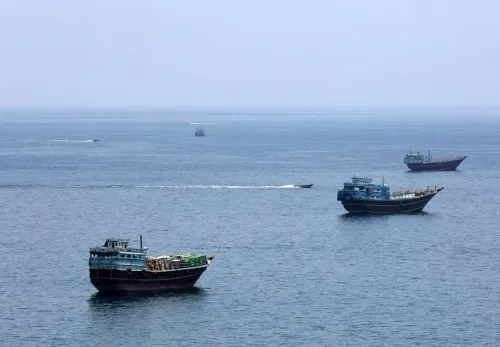
Around 6,000 seafarers remain stranded aboard an estimated 350 to 400 ships in the Gulf region.
Iran and US Central Command have offered sharply conflicting accounts of the mine threat, leaving the IMO unable to verify safe passage.
The IMO is coordinating humanitarian assistance — including medical care and mental health support — for stranded crews.
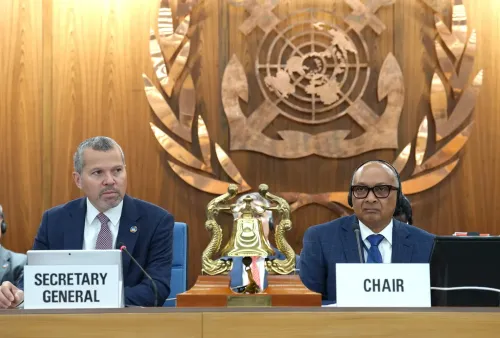
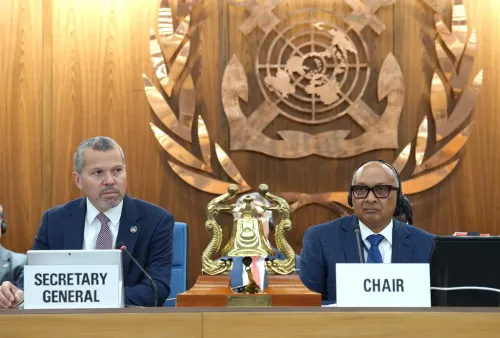
International Maritime Organization (IMO) Secretary-General Arsenio Dominguez on Monday, 3 November 2026 declined to confirm that mines had been cleared from the Strait of Hormuz, reiterating the organisation's advisory against any vessel transiting the critical waterway. Speaking at a Q&A session at IMO headquarters in London, Dominguez said the strait remained unsafe amid sharply conflicting accounts from Iran and the United States over the nature and extent of the mine threat.
What the IMO Chief Said
'There's no confirmation that there are no mines in the region. So I cannot guarantee that it's safe,' Dominguez said. 'That's why we're not recommending anyone to go through the Strait of Hormuz.' He added that vessels had also been struck by unidentified projectiles, and that the chaos of active conflict made it impossible to determine in each case whether incidents involved mines, drones, or missiles.
Dominguez noted that investigations during an ongoing conflict are inherently difficult, but stressed that the uncertainty itself — regardless of cause — sustains the IMO's warning. 'That doesn't change the message that it is just not safe to go through the Strait of Hormuz,' he said.
Conflicting Iranian and US Accounts
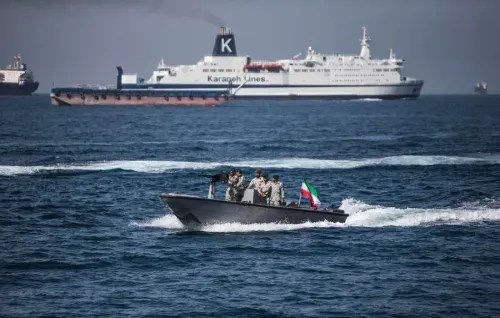
Iran has repeatedly asserted that vessels struck mines after deviating into what it describes as 'unauthorised' routes. US Central Command, however, has denied those claims and stated it has cleared mines from the strait's international shipping lanes. The IMO chief said he had received no independent confirmation that the traffic separation scheme — the organisation's designated corridor through the strait — had been cleared. That scheme is currently not in operation.
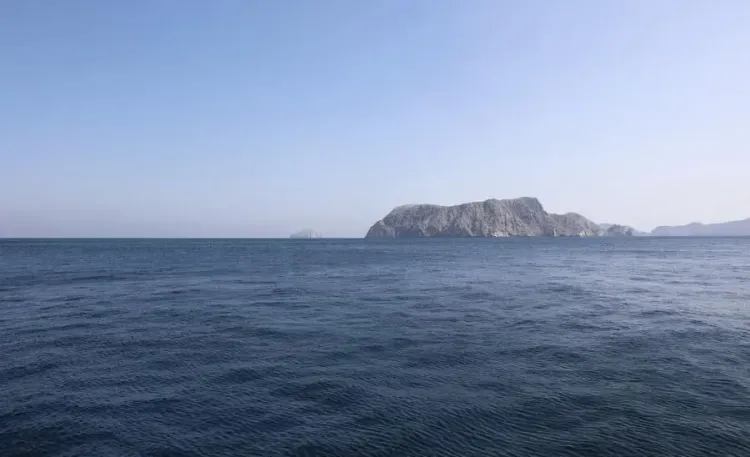
Vessels still attempting passage have reportedly been using two alternative routes: one running north through Iranian territorial waters under Iranian control, and another to the south near the Omani coast with US naval escorts. Dominguez clarified that the IMO has not formally adopted either arrangement, and therefore cannot vouch for the safety of those routes either.
Scale of the Crisis
The IMO recorded approximately 30 attacks on ships in the strait and surrounding Gulf waters during October alone, making it one of the deadliest months for maritime incidents in the region by that measure, according to Dominguez. Some incidents have caused oil spills and other environmental pollution.
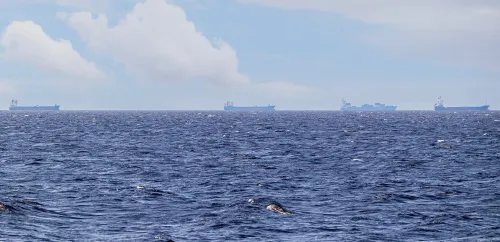
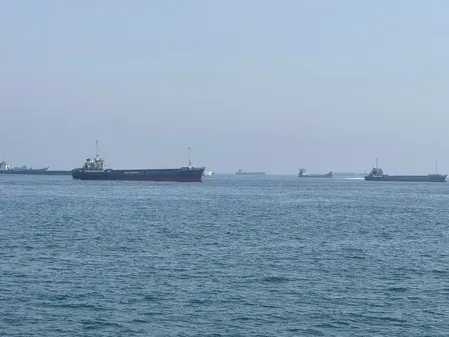
Around 6,000 seafarers remain aboard an estimated 350 to 400 ships stranded in the Gulf region. This comes amid one of the most severe disruptions to global maritime trade since the Red Sea crisis, with the Strait of Hormuz accounting for roughly a fifth of global oil shipments under normal conditions.
Humanitarian Response Under Way
The IMO has been coordinating with regional governments, the International Transport Workers' Federation (ITF), and other stakeholders to provide stranded crews with supplies, medical care, mental health support, and assistance with family communications, Dominguez said. The humanitarian dimension of the crisis is compounding pressure on the organisation to broker a verifiable safety framework before shipping companies resume normal transits.
What Comes Next
The IMO's advisory is expected to remain in force until independent mine-clearance verification can be secured from all parties. Industry observers note that without a multilaterally accepted safe-passage protocol, global insurance and freight markets will continue to price in elevated risk for Gulf-bound voyages, prolonging supply-chain disruptions for energy markets worldwide.
Point of View
000 seafarers effectively hostage to a geopolitical standoff, the humanitarian cost is rising in parallel with the economic one. What the crisis exposes is the absence of any neutral mine-verification mechanism — a gap that neither the UN Security Council nor regional navies have moved to fill.
NationPress
3 Nov 2026
Frequently Asked Questions
Why is the Strait of Hormuz considered unsafe right now?
The IMO has warned that mines may still be present in the strait's international shipping lanes, and that vessels have also been struck by unidentified projectiles. The organisation's designated traffic separation scheme is not in operation, and conflicting Iranian and US accounts mean independent mine-clearance verification has not been established.
What has the IMO officially advised about transiting the Strait of Hormuz?
The IMO is actively advising all vessels not to transit the Strait of Hormuz. Secretary-General Arsenio Dominguez said on 3 November 2026 that he cannot guarantee safe passage because there is no confirmation that mines have been removed from the region.
How many ships and seafarers are affected by the Hormuz crisis?
Approximately 6,000 seafarers remain aboard an estimated 350 to 400 ships stranded in the Gulf region. The IMO is coordinating with the International Transport Workers' Federation and regional governments to provide humanitarian support to those crews.
What is the dispute between Iran and the US over the mines?
Iran has claimed that ships struck mines after entering what it calls 'unauthorised' routes, while US Central Command has denied this and stated it has cleared mines from the strait's international shipping lanes. The IMO says it has received no independent confirmation of clearance from either party.
What alternative routes are vessels using instead of the Hormuz traffic separation scheme?
Some vessels have been using a northern route through Iranian territorial waters under Iranian control, while others have taken a southern route near the Omani coast with US naval escorts. The IMO has not formally endorsed either alternative, meaning it cannot guarantee their safety.