IMO launches Strait of Hormuz evacuation for 11,000 stranded seafarers
Synopsis
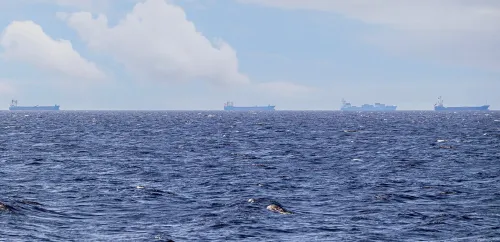
After months of conflict that killed 14 seafarers and triggered 46 confirmed shipping incidents, the IMO has launched a formal evacuation plan for more than 11,000 crew members stranded in the Strait of Hormuz — backed by an Iran-US memorandum of understanding and Iran's announcement that the waterway is now fully open to commercial vessels, toll-free.
Key Takeaways
The IMO announced an evacuation plan on 23 June for more than 11,000 seafarers stranded in the Strait of Hormuz .
The plan follows a memorandum of understanding between Iran and the United States and involves cooperation with Iran , Oman , and regional partners.
46 shipping incidents were recorded in the region between late February and 11 June , resulting in 14 seafarer deaths .
Iran declared the Strait of Hormuz fully open to commercial vessels without tolls, with a 60-day review tied to Iran-US negotiations.
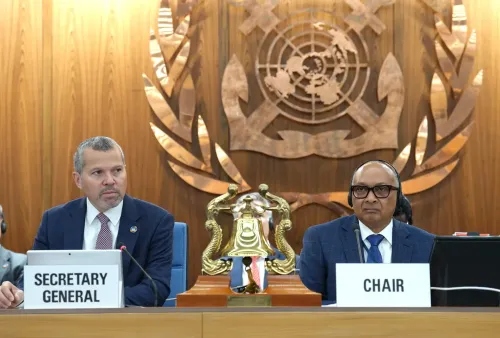
IMO Secretary-General Arsenio Dominguez reaffirmed the organisation's commitment to maritime safety and freedom of navigation.
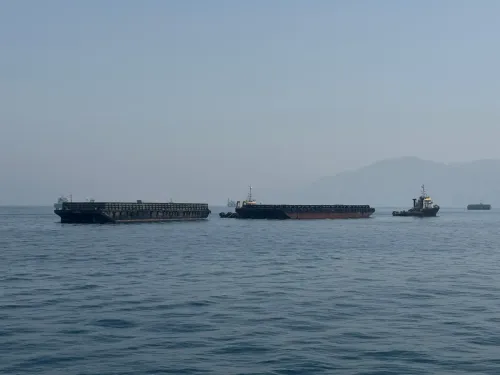
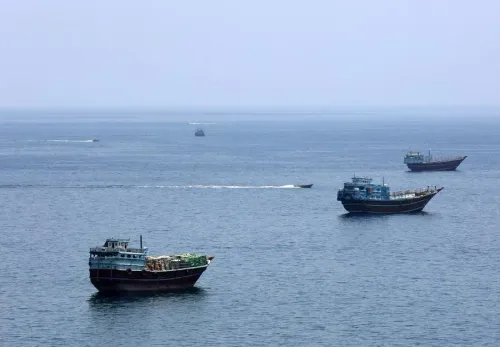
The International Maritime Organisation (IMO) on Tuesday, 23 June announced a formal evacuation plan for more than 11,000 seafarers still stranded in the Strait of Hormuz, following months of conflict that disrupted global shipping and claimed 14 lives. IMO Secretary-General Arsenio Dominguez confirmed that the organisation had secured the necessary safety guarantees and verified safe navigation conditions to support the operation.
What Triggered the Evacuation Plan
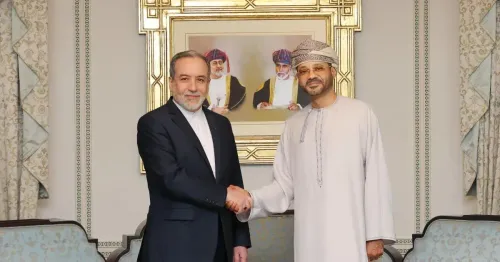
The evacuation follows the signing of a memorandum of understanding between Iran and the United States. The operation will be carried out in close cooperation with Iran, Oman, other regional countries, and the maritime industry, according to Dominguez. He welcomed the peace agreement between the two nations, describing it as 'a decisive step toward restoring maritime security and ending attacks against civilian shipping.'
Scale of the Crisis
According to IMO figures, 46 incidents involving ships were confirmed in and around the Strait of Hormuz and the wider region between late February and 11 June. Those incidents resulted in 14 seafarer fatalities. Dominguez paid tribute to the victims, saying their 'courage and resilience in the face of prolonged uncertainty deserve the highest recognition,' and reaffirmed that their service to global trade 'will not be forgotten.'
Hormuz Now Open to Commercial Vessels
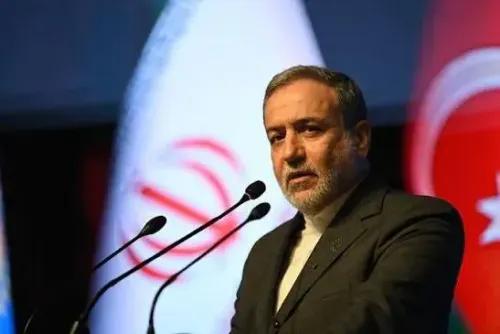
Ali Bahreini, Iranian Ambassador and Permanent Representative to the United Nations (UN) Office at Geneva, separately announced on Tuesday that the Strait of Hormuz is fully open to commercial vessels without tolls. Bahreini added that the situation will be reviewed after 60 days, contingent on the progress of ongoing negotiations between Iran and the US.
IMO's Commitment Going Forward
On 15 June, Dominguez had cautioned that implementing the evacuation plan would require time to ensure all necessary safety and security guarantees were in place. The IMO has now reaffirmed its commitment to maritime safety, the protection of seafarers, freedom of navigation, and the continued free flow of global trade. This comes amid broader international concern over the vulnerability of the Strait of Hormuz — a chokepoint through which roughly 20% of the world's oil supply transits — to geopolitical disruption. With the evacuation now formally underway, attention will turn to whether the Iran-US understanding holds long enough to restore normalcy for the thousands of crew members and the global supply chains that depend on this critical waterway.
Point of View
But the 60-day review clause on Hormuz's open status is the detail that deserves scrutiny. Iran has tied the strait's accessibility directly to the pace of its negotiations with the US — meaning the corridor that carries roughly a fifth of global oil supply remains, in effect, conditionally open. The 14 deaths and 46 incidents logged in under four months underscore how quickly geopolitical friction translates into humanitarian cost at sea. Whether the Iran-US memorandum of understanding holds beyond the review window will be the real test of whether this is a durable settlement or a tactical pause.
NationPress
22 Sept 2026
Frequently Asked Questions
What is the IMO evacuation plan for the Strait of Hormuz?
The IMO has announced a formal operation to evacuate more than 11,000 seafarers stranded in the Strait of Hormuz following months of conflict in the region. The plan is backed by safety guarantees secured by the IMO and is being carried out in cooperation with Iran, Oman, and other regional countries under a framework linked to an Iran-US memorandum of understanding.
Why were seafarers stranded in the Strait of Hormuz?
Months of conflict in and around the Strait of Hormuz led to 46 confirmed shipping incidents between late February and 11 June, trapping thousands of crew members aboard vessels unable to safely navigate the waterway. The crisis also resulted in 14 seafarer fatalities.
Is the Strait of Hormuz open to ships now?
Yes. Iran's Ambassador to the UN Office at Geneva, Ali Bahreini, announced on 23 June that the Strait of Hormuz is fully open to commercial vessels without tolls. However, the situation is subject to a 60-day review depending on the progress of Iran-US negotiations.
What role did the Iran-US deal play in the evacuation?
The signing of a memorandum of understanding between Iran and the United States provided the diplomatic foundation for the IMO evacuation plan. IMO Secretary-General Arsenio Dominguez described the peace agreement as a decisive step toward restoring maritime security and ending attacks on civilian shipping.
How many seafarers died during the Strait of Hormuz conflict?
According to IMO figures, 14 seafarers lost their lives during the conflict in and around the Strait of Hormuz. Dominguez paid tribute to the victims, saying their courage and service to global trade would not be forgotten.