CM Assam Office Highlights Manas National Park's Rich Legacy
Synopsis
The Chief Minister's Office of Assam has highlighted Manas National Park — a UNESCO World Heritage Site, Project Tiger reserve, and biosphere reserve in western Assam — praising its extraordinary biodiversity and rare wildlife including one-horned rhinos and tigers. The park's recovery from UNESCO's danger list in 2011 stands as one of India's most compelling conservation turnarounds.
Key Takeaways
Manas National Park in western Assam holds a rare triple designation: National Park, Tiger Reserve, and Biosphere Reserve.
It was inscribed as a UNESCO World Heritage Site in 1985 and placed on the UNESCO Danger List in 1992 due to poaching and insurgency.
Following sustained recovery efforts, UNESCO removed Manas from the danger list in 2011 .
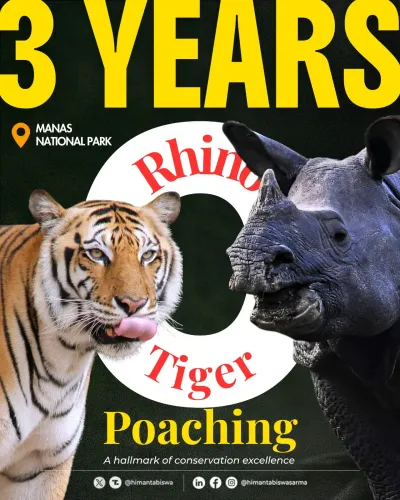
Manas is one of the original reserves under Project Tiger , launched by the central government in 1973 .
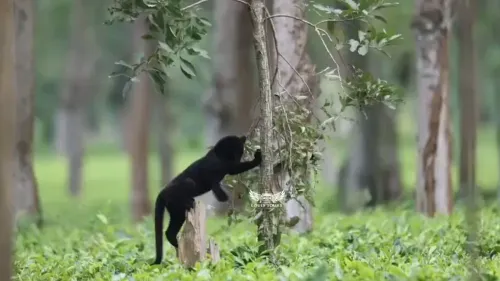
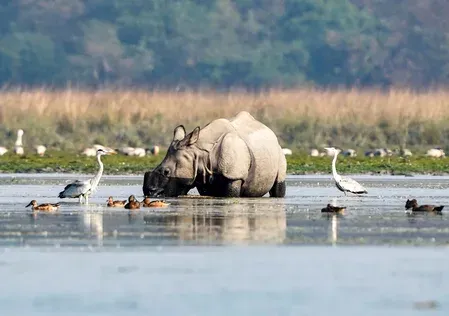
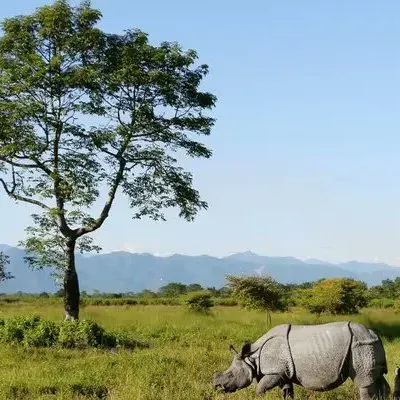
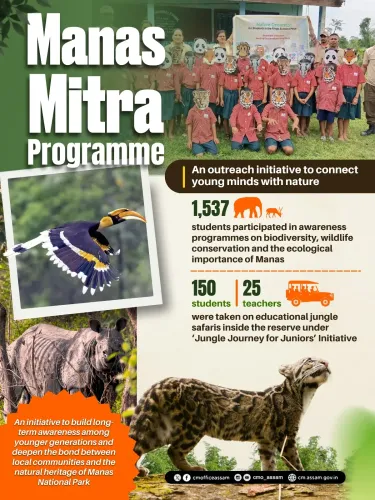
The park shelters the Indian one-horned rhinoceros , tigers, wild elephants, and diverse avian species.
The Chief Minister's Office of Assam amplified the park's significance on August 8, 2026 , signalling conservation as an active state priority.
A UNESCO World Heritage Site, a tiger stronghold, and one of India's most dramatic conservation comeback stories — Manas National Park in western Assam is back in the spotlight. The Chief Minister's Office of Assam on Saturday, August 8, 2026, shared a feature on why Manas remains one of the state's most treasured natural landscapes, calling it home to 'extraordinary biodiversity and rare wildlife.'
From Danger List to World Stage: Manas's Remarkable Turnaround
Few protected areas in India carry a history as turbulent — or as triumphant — as Manas. Inscribed as a UNESCO World Heritage Site in 1985 for its outstanding natural values, the park was placed on the UNESCO List of World Heritage in Danger in 1992, battered by poaching and insurgency that gutted its wildlife populations. The recovery took nearly two decades of sustained effort. By 2011, UNESCO removed Manas from the danger list — a vindication of conservation work that few had believed possible at the nadir. The park is one of India's original Project Tiger reserves, included in the programme since its launch in 1973. That designation brought federal resources and attention to a landscape that straddles the foothills of the Himalayas and the Brahmaputra floodplains — a biodiversity corridor unlike almost anywhere else on earth.What Makes Manas Irreplaceable
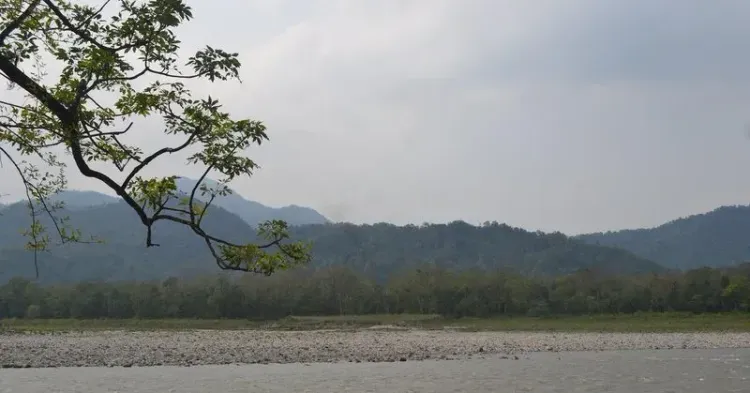
Manas is simultaneously a National Park, a Tiger Reserve, and a Biosphere Reserve — a rare triple designation that reflects the depth of its ecological significance. The park shelters the Indian one-horned rhinoceros, tigers, wild elephants, and a remarkable diversity of avian species. Its riverine grasslands and sal forests create habitat mosaics that support species found nowhere else in such concentration in the Northeast. For local communities, eco-tourism operators, and conservationists, the park is also an economic lifeline. Wildlife tourism circuits anchored at Manas generate livelihoods that align community interests with forest protection — a model the Assam Forest Department has sought to expand.Why State Amplification of Conservation Narratives Matters
State governments across India's Northeast periodically spotlight their protected areas, and the timing and platform of such messaging matters. A post from the Chief Minister's Office carries institutional weight — it signals that wildlife conservation remains a political priority, not just a bureaucratic function. With state budget cycles approaching and eco-tourism infrastructure still developing around Manas, the amplification of the park's story is also a soft signal to investors, tourists, and policymakers. Manas was nearly lost once. The fact that it wasn't — and that it now draws national attention as a conservation success — is a story Assam clearly intends to keep telling.Point of View
Institutional endorsement from the CMO nudges both budget conversations and investor interest. The post is low-stakes symbolically but sits within a deliberate, long-term conservation-communication strategy.
NationPress
8 Aug 2026
Frequently Asked Questions
Why is Manas National Park important?
Manas National Park in Assam is a UNESCO World Heritage Site, a Project Tiger reserve, and a biosphere reserve, sheltering the Indian one-horned rhinoceros, tigers, wild elephants, and rich avian diversity in a rare Himalayan foothills ecosystem.
When was Manas National Park declared a UNESCO World Heritage Site?
Manas National Park was inscribed as a UNESCO World Heritage Site in 1985 for its outstanding natural and ecological values.
Was Manas National Park on the UNESCO Danger List?
Yes. Manas was placed on the UNESCO List of World Heritage in Danger in 1992 due to severe poaching and insurgency-related damage, and was removed from that list in 2011 after a sustained conservation recovery.
Is Manas a Project Tiger reserve?
Yes. Manas is one of India's original Project Tiger reserves, included in the central government's flagship tiger conservation programme since its launch in 1973 .
What animals can be found in Manas National Park?
Manas is home to the Indian one-horned rhinoceros , Bengal tigers, Asian elephants, and a wide range of bird species, making it one of the most biodiverse protected areas in Northeast India.