CM Himanta's Manas Mitra Brings 1,537 Students to Wildlife
Synopsis
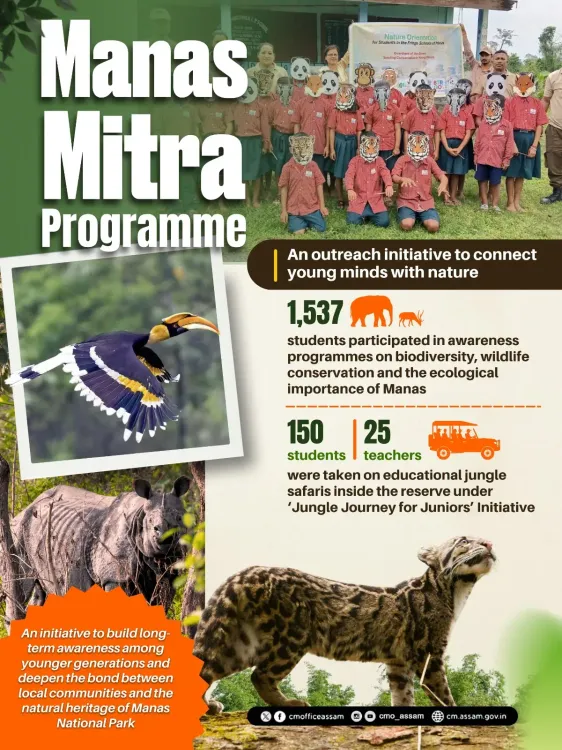
Assam's Manas Mitra Programme, guided by CM Dr. Himanta Biswa Sarma, has linked 1,537 students to wildlife conservation awareness and taken 150 students and 25 teachers on educational jungle safaris inside the UNESCO-listed Manas National Park, positioning the state's youth as frontline conservation advocates.
Key Takeaways
The Manas Mitra Programme connected 1,537 students with wildlife conservation awareness in Assam.
150 students and 25 teachers undertook educational jungle safaris inside Manas National Park .
The initiative is guided by the vision of Chief Minister Dr.
Himanta Biswa Sarma .
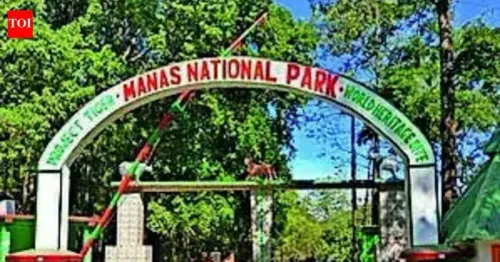
Manas National Park is a UNESCO World Heritage Site and Project Tiger reserve in western Assam.
The programme aligns with national biodiversity targets and state efforts to reduce human-wildlife conflict in buffer zones.
Possible expansion to other Assam reserves such as Kaziranga is being watched.
The Chief Minister's Office of Assam announced on 28 May 2026 that the Manas Mitra Programme, guided by the vision of Chief Minister Dr. Himanta Biswa Sarma, has connected 1,537 students with wildlife conservation awareness, while 150 students and 25 teachers undertook educational jungle safaris inside Manas National Park.
Context
The CMO's post frames the initiative as a bridge between formal schooling and on-ground ecological experience, describing Assam's youth as 'nature's next guardians.' The programme takes students out of classrooms and into one of India's most ecologically significant protected areas, combining structured conservation awareness sessions with direct exposure to forest ecosystems.
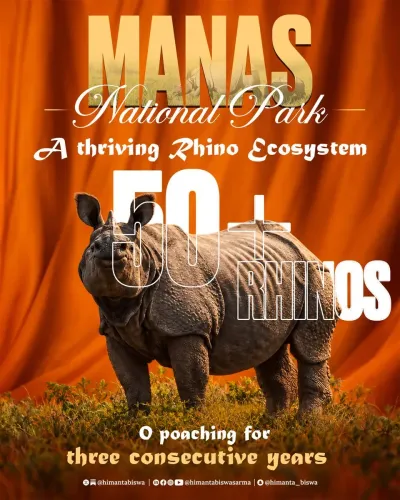
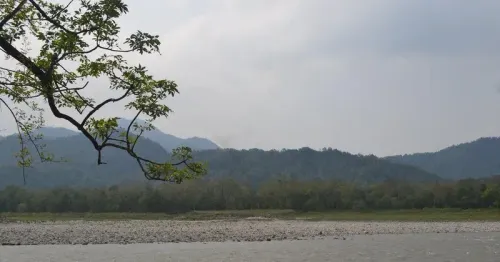
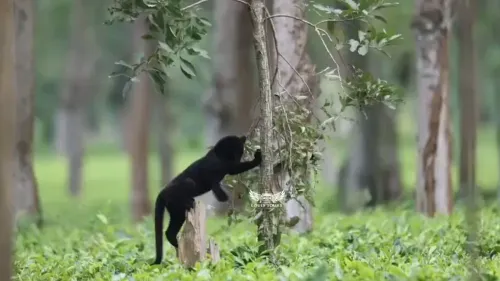
Manas National Park, located in western Assam along the foothills of the Bhutan Himalayas, is a UNESCO World Heritage Site and a designated tiger reserve. It serves as a critical habitat for species including the Bengal tiger, Indian rhinoceros, and golden langur.
Policy Backdrop
Manas National Park has been under India's Project Tiger framework since 1973, with successive central and state governments investing in habitat restoration and wildlife population recovery. The park suffered significant ecological damage during periods of insurgency in the 1980s and 1990s, and its recovery has been a flagship conservation story in northeast India.
CM Dr. Himanta Biswa Sarma, who has held the Chief Minister's office since May 2021, has previously overseen portfolios in education and health, giving the Manas Mitra initiative a cross-sectoral character that links environmental policy with school-level outreach. Assam governments have periodically tied school activities to protected-area management as a strategy to build community support for conservation in buffer zones.
The programme also aligns with national biodiversity targets and state tourism policies that promote controlled, low-impact access to parks. Educational safaris of this kind are designed to reduce long-term human-wildlife conflict by fostering conservation values among communities living near forest boundaries.
Stakeholders and Impact
The immediate beneficiaries are the 1,537 students who received conservation awareness inputs and the 150 students alongside 25 teachers who experienced the jungle safari inside the park. Schools in and around the Manas buffer zone stand to gain a structured, state-backed mechanism for environmental education.
For local communities, whose livelihoods often intersect with forest boundaries, cultivating a conservation-oriented younger generation can have downstream effects on poaching pressure, encroachment, and human-wildlife conflict. Park authorities and forest department officials are also stakeholders, as wider community goodwill directly affects on-ground protection efforts.
What's Next
The Assam government's broader conservation agenda will be watched for any expansion of the Manas Mitra model to other major reserves, including Kaziranga National Park, which hosts the world's largest population of the one-horned rhinoceros. Any state budget allocations for park-based education infrastructure would signal how institutionalised this approach is intended to become.
If the programme scales, it could serve as a template for other northeastern states managing UNESCO-listed or Project Tiger reserves, embedding conservation literacy directly into school curricula and annual academic calendars.
Point of View
Youth-facing initiatives to build public legitimacy around conservation — an area where the state has historically faced criticism over encroachment and human-wildlife conflict. By anchoring the programme inside a UNESCO World Heritage Site, the government signals both ecological seriousness and a tourism-friendly development narrative. The educational safari model also creates a constituency of conservation-aware young citizens in communities that live closest to forest boundaries, where long-term behaviour change matters most. If institutionalised with budget support, this approach could become a replicable model for other biodiversity-rich states in northeast India.
NationPress
13 Oct 2026
Frequently Asked Questions
What is the Manas Mitra Programme in Assam?
The Manas Mitra Programme is a wildlife conservation awareness initiative in Assam that connects school students with nature education, including educational jungle safaris inside Manas National Park, guided by the vision of Chief Minister Dr. Himanta Biswa Sarma.
How many students benefited from the Manas Mitra Programme?
A total of 1,537 students received wildlife conservation awareness through the Manas Mitra Programme, while 150 students and 25 teachers participated in educational jungle safaris inside Manas National Park.
Where is Manas National Park located?
Manas National Park is located in western Assam along the foothills of the Bhutan Himalayas. It is a UNESCO World Heritage Site and a Project Tiger reserve, home to the Bengal tiger, Indian rhinoceros, and golden langur.
What is CM Himanta Biswa Sarma's role in Assam's conservation efforts?
Chief Minister Dr. Himanta Biswa Sarma, in office since May 2021, has guided initiatives like the Manas Mitra Programme that link school education with wildlife conservation, building on Assam's broader policy of community-based conservation in and around protected areas.
Will the Manas Mitra model be expanded to Kaziranga or other Assam parks?
The Assam government has not officially announced an expansion, but the success of the Manas Mitra Programme has prompted observers to watch for similar student outreach at Kaziranga National Park and other reserves in the state.