CM Assam Office Spots Rare Black Panther at Manas
Synopsis
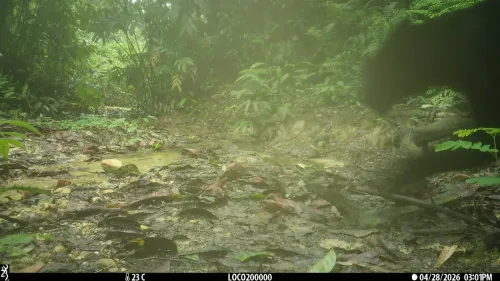
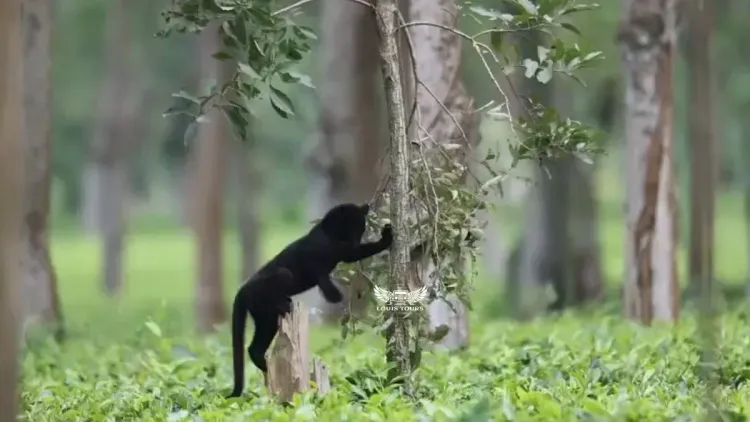
The Chief Minister's Office of Assam posted a video on 4 July 2026 of a melanistic black panther at Manas National Park, one of India's UNESCO World Heritage Sites, calling it a rare glimpse into an extraordinary forest.
Key Takeaways
The Chief Minister's Office of Assam shared a video of a melanistic black panther at Manas National Park on 4 July 2026 .
Manas National Park spans over 500 sq km in Assam and is a UNESCO World Heritage Site inscribed in 1985 .
The park was placed on the UNESCO List of World Heritage in Danger in 1992 and successfully removed in 2011 after a major recovery effort.
Melanistic leopards are a rare genetic colour variant; their dark coats make them extremely difficult to spot in the wild.
Manas is a core reserve under Project Tiger , India's flagship tiger conservation programme launched in 1973 .
The sighting underscores Assam's broader push to promote eco-tourism and biodiversity conservation in its protected areas.
The Chief Minister's Office of Assam shared a striking wildlife sighting from Manas National Park on Saturday, 4 July 2026, posting a video of a melanistic black panther — a rare colour variant of the leopard — moving through the forest. The post, captioned 'The Ghost Rider at Manas,' described the animal as 'quietly stealing the show' in one of India's most celebrated protected areas.
Context
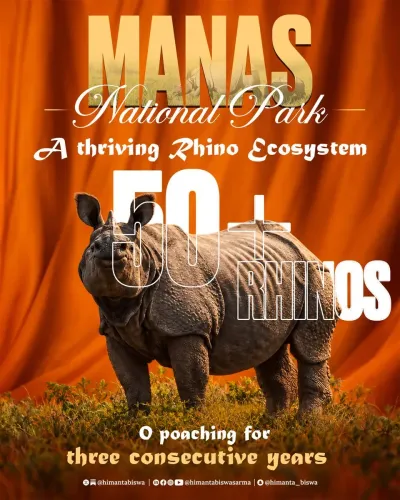
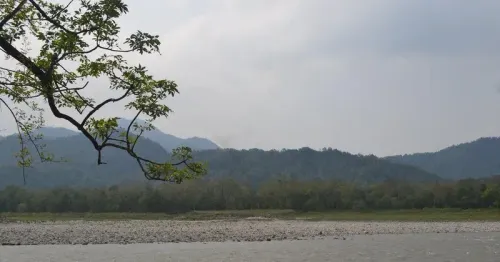
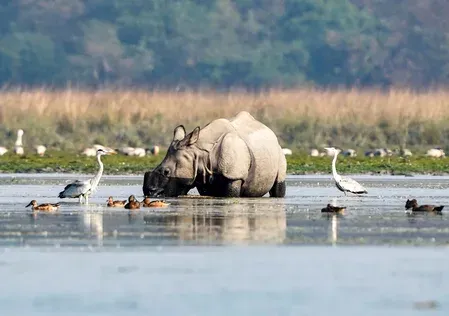
Manas National Park, located in Assam's Bodoland Territorial Council region along the foothills of the Bhutan border, spans over 500 sq km of riverine grasslands and semi-evergreen forests. The park is a UNESCO World Heritage Site, inscribed in 1985, and is one of the few reserves in India known to harbour melanistic leopards — popularly called black panthers — alongside tigers, one-horned rhinos, and wild elephants.
Melanistic leopards are not a separate species but a genetic colour variant caused by excess melanin. Their dark coats make them exceptionally difficult to spot in dense forest cover, earning them the 'ghost' label among wildlife trackers and photographers.
Policy Backdrop
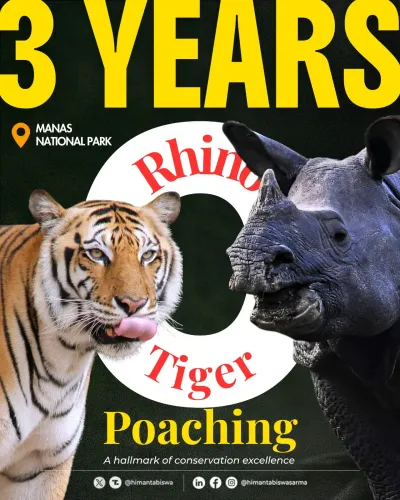
Manas has had a turbulent conservation history. The park was placed on the UNESCO List of World Heritage in Danger in 1992 following severe damage from armed insurgency and poaching, which decimated its wildlife populations. A sustained recovery effort by central and state agencies, combined with community engagement, led to its removal from the danger list in 2011 — a widely cited success story in Indian conservation.
Project Tiger, India's flagship tiger conservation programme launched in 1973, includes Manas as a core reserve. Subsequent habitat restoration phases have helped stabilise prey populations, which in turn support apex predators such as tigers and leopards. The Assam government has increasingly positioned its national parks as flagship sites for wildlife recovery and nature-based tourism.
Stakeholders and Impact
Wildlife conservationists have long monitored melanistic leopard presence at Manas as an indicator of healthy forest cover and prey density. A sighting documented by the state government amplifies public and institutional attention on the park's biodiversity, potentially boosting eco-tourism interest and strengthening the case for continued conservation funding.
Local communities living on the buffer-zone periphery of Manas participate in anti-poaching watch programmes and benefit from tourism-linked livelihoods. High-profile sightings of rare animals raise the profile of these community partnerships, which are central to the park's post-conflict recovery model. For eco-tourists and wildlife photographers, a verified black panther sighting at Manas is a rare draw that few Indian reserves can offer.
What's Next
Wildlife managers and conservationists will be watching for the release of updated leopard and tiger census figures from Manas, which will provide a clearer picture of the park's apex predator population. The Assam government is also expected to announce further eco-tourism infrastructure investments in and around the reserve.
The Chief Minister's Office sharing such footage directly on social media signals a deliberate effort to build public investment in Assam's natural heritage — a strategy that, if sustained, could translate into stronger political and financial backing for long-term conservation at one of the subcontinent's most ecologically significant forests.
Point of View
Giving the state government a stake in a legacy that began in 1973. The broader pattern suggests Assam is deliberately weaving its forest wealth into its political identity ahead of any future policy or funding negotiations over its protected areas.
NationPress
3 Oct 2026
Frequently Asked Questions
What is a melanistic black panther?
A melanistic black panther is not a separate species but a colour variant of the leopard caused by a genetic mutation that produces excess melanin, making the coat appear black. They are found in dense forest habitats across South and Southeast Asia.
Where is Manas National Park located?
Manas National Park is located in Assam, in northeastern India, along the foothills of the Himalayas bordering Bhutan. It spans over 500 sq km of riverine grasslands and semi-evergreen forests.
Is Manas National Park a UNESCO World Heritage Site?
Yes, Manas National Park was inscribed as a UNESCO World Heritage Site in 1985. It was placed on the UNESCO List of World Heritage in Danger in 1992 due to poaching and insurgency but was removed from that list in 2011 after a successful recovery.
Are black panthers found in Assam?
Yes, melanistic leopards, commonly called black panthers, have been recorded in Assam's forested reserves including Manas National Park. Their sightings are rare because their dark coats allow them to blend into dense vegetation.
What is Project Tiger and does it cover Manas?
Project Tiger is India's flagship tiger conservation programme, launched in 1973. Manas National Park is one of its core reserves, and the programme has supported habitat restoration and anti-poaching efforts there for decades.