CM Himanta Honours Retiring Elephants at Manas Tiger Reserve
Synopsis
Assam Chief Minister Himanta Biswa Sarma honoured veteran elephants Pramila and Purnima at Manas Tiger Reserve on June 8, 2026, with a Guard of Honour and ceremonial farewell. Five newly trained elephants will take their place, continuing the reserve's decades-long tradition of using captive elephants for anti-poaching and wildlife monitoring.
Key Takeaways
Pramila and Purnima , two veteran working elephants, retired from service at Manas Tiger Reserve on June 8, 2026 .
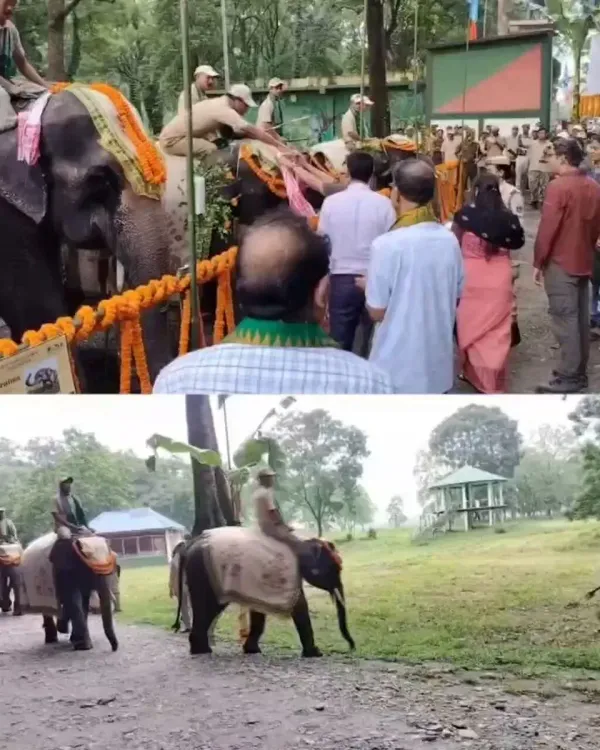
The retirement ceremony included a Guard of Honour , traditional gamochas , and a formal farewell organised by the Assam Forest Department .
Five newly trained elephants have been inducted to continue anti-poaching patrols and wildlife monitoring at the reserve.
Manas Tiger Reserve was established in 1973 and is a UNESCO World Heritage Site since 1985 .
Captive elephants are critical to forest operations in the Northeast, patrolling terrain inaccessible to vehicles under the framework of Project Elephant (1992) .
Assam Chief Minister Himanta Biswa Sarma on Monday, June 8, 2026, paid tribute to two veteran working elephants at Manas Tiger Reserve, marking their retirement with a formal Guard of Honour and the announcement that five newly trained elephants would take their place in conservation duties.
Context
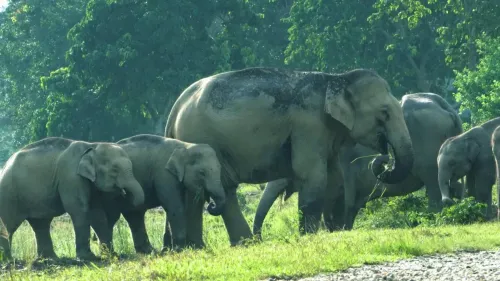
The ceremony at Manas Tiger Reserve honoured Pramila and Purnima, two elephants who served the reserve for years in anti-poaching patrols and wildlife monitoring. They were presented with traditional gamochas — Assam's ceremonial woven scarves — and given a formal ceremonial farewell, reflecting the forest department's institutional culture of treating working animals as part of the conservation workforce.
Sarma shared the event on social media, writing: 'Not all heroes wear uniforms. Some walk through forests.' The post was accompanied by a video of the ceremony and the arrival of five newly trained elephants beginning their service at the reserve.
Policy Backdrop
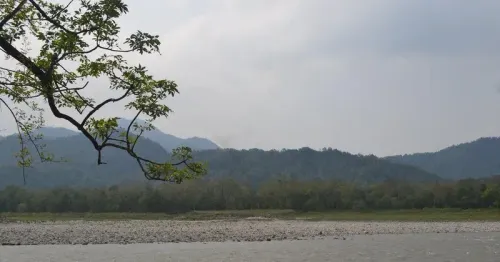
Manas Tiger Reserve was established in 1973 under Project Tiger and was designated a UNESCO World Heritage Site in 1985. It is home to tigers, elephants, and the endangered Indian one-horned rhinoceros, and spans the foothills of the Bhutan border in western Assam.
Indian forest departments in the Northeast have long relied on trained captive elephants to patrol dense terrain where motorised vehicles cannot operate. Project Elephant, a centrally sponsored scheme launched by the Government of India in 1992, provides the broader framework for protecting elephants and managing human-elephant conflict across states including Assam. Successive Assam governments have continued integrating captive-elephant units into reserve management under both Project Tiger and Project Elephant.
Stakeholders and Impact
The Assam Forest Department manages the captive-elephant units at Manas and other reserves such as Kaziranga. These animals are central to daily operations — from locating and monitoring tiger movements to assisting in rescue operations and deterring poachers in areas inaccessible by road.
The retirement of Pramila and Purnima and the induction of five new elephants signals a planned generational transition in the reserve's working herd. Ceremonial farewells of this kind also serve a public-awareness function, drawing attention to the often-overlooked role of captive elephants in India's wildlife conservation infrastructure.
What's Next
The five newly inducted elephants will begin active service at Manas Tiger Reserve, undergoing field integration alongside experienced mahouts and forest staff. Their performance will feed into the reserve's broader anti-poaching and monitoring mandate.
Assam's captive-elephant programme will continue to be tracked through annual elephant census data and Project Elephant implementation reports. Any state budget allocations for captive-elephant welfare facilities and mahout training in the coming financial year will be a key indicator of the government's long-term commitment to this model of conservation.
Point of View
A UNESCO World Heritage Site with a complex history of insurgency-era degradation and subsequent recovery, carries symbolic weight beyond routine forest administration. By framing working elephants as unsung heroes, the state government also makes an implicit case for continued central funding under Project Elephant and Project Tiger. The generational handover of the working herd points to an institutionalised, long-term approach to captive-elephant management that other Northeast states may look to as a model.
NationPress
23 Oct 2026
Frequently Asked Questions
Who are Pramila and Purnima elephants in Assam?
Pramila and Purnima are veteran captive elephants who served at Manas Tiger Reserve in Assam, assisting in anti-poaching patrols and wildlife monitoring. They were retired with a Guard of Honour ceremony on June 8, 2026.
What is Manas Tiger Reserve known for?
Manas Tiger Reserve in Assam is a UNESCO World Heritage Site established in 1973. It is known for its population of tigers, elephants, and Indian one-horned rhinoceroses, and for its use of trained captive elephants in conservation operations.
What is Project Elephant in India?
Project Elephant is a centrally sponsored scheme launched by the Government of India in 1992 to protect wild elephants, their habitats, and migration corridors, and to address human-elephant conflict across states including Assam.
Why do Indian forest reserves use elephants for patrolling?
Forest departments in Northeast India use trained captive elephants to patrol dense terrain in reserves such as Manas and Kaziranga where motorised vehicles cannot operate, making them essential for anti-poaching and wildlife monitoring.
What did Assam CM Himanta Biswa Sarma say about the elephant retirement?
CM Sarma wrote on social media: 'Not all heroes wear uniforms. Some walk through forests,' honouring the retiring elephants Pramila and Purnima and announcing that five newly trained elephants would begin service at Manas Tiger Reserve.