Assam opens first grass nursery at Manas Tiger Reserve
Synopsis
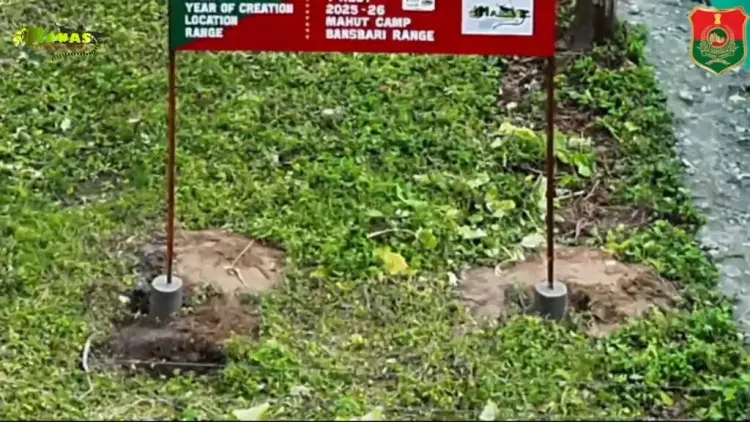
Assam has inaugurated its first dedicated grass nursery at Manas Tiger Reserve, cultivating 16 native grass species to restore degraded alluvial grasslands. The initiative, backed by CM Himanta Biswa Sarma, aims to strengthen the ecological foundation of the UNESCO World Heritage Site and its wildlife, including tigers and rare endemic species.
Key Takeaways
Assam has opened its first dedicated grass nursery at Manas Tiger Reserve , a UNESCO World Heritage Site.
16 native grass species are being cultivated at the nursery for grassland habitat restoration.
The initiative is led under Chief Minister Dr.
Himanta Biswa Sarma and announced by the Chief Minister's Office of Assam .
Restored grasslands are critical for species such as the pygmy hog , hispid hare , and the prey base that sustains tiger populations.
The nursery model prioritises native-species propagation over external planting material, marking a strategic shift in conservation practice.
Success at Manas could pave the way for similar nurseries at Kaziranga and Orang Tiger Reserve .
The Chief Minister's Office of Assam announced on Thursday, June 11, 2026, that the state has inaugurated its first dedicated grass nursery at Manas Tiger Reserve, marking what officials describe as a significant conservation milestone in grassland ecosystem restoration.
Context
The nursery, established under the leadership of Chief Minister Dr. Himanta Biswa Sarma, cultivates 16 native grass species specifically for habitat restoration. The initiative is aimed at reversing the degradation of alluvial grasslands within one of India's most ecologically significant protected areas.
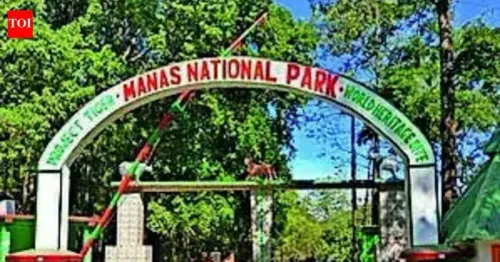
Manas Tiger Reserve, located in western Assam along the foothills of the Eastern Himalayas, is both a UNESCO World Heritage Site and one of the country's original tiger reserves under Project Tiger, which was launched nationally in 1973. Manas was inscribed on the World Heritage list in 1985 and removed from the danger list in 2011 following sustained recovery efforts.
Policy Backdrop
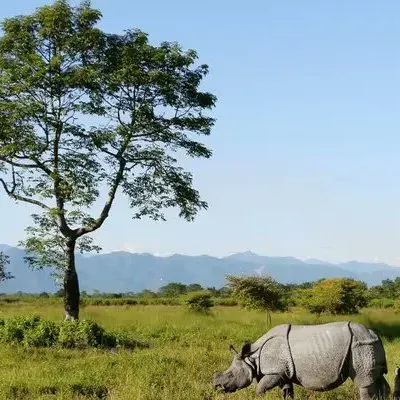
Grassland degradation inside protected areas has been a persistent challenge across India, driven by the spread of invasive plant species and historical disturbances to alluvial floodplain habitats. Manas has been the site of repeated restoration interventions since the 2000s, with its grasslands considered critical habitat for rare species including the pygmy hog and the hispid hare, both of which depend on short-grass ecosystems.
The new nursery represents a shift in conservation strategy — from ad hoc planting efforts to a systematic, native-species propagation model. By cultivating grasses indigenous to the region, forest managers can ensure that restored patches are ecologically compatible with the existing landscape rather than introducing material from outside the gene pool.
Stakeholders and Impact
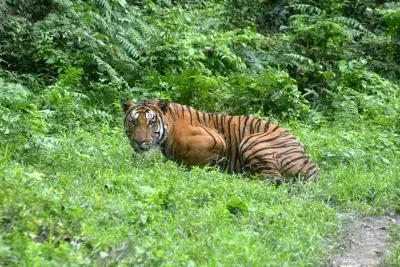
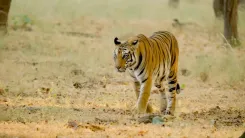
Wildlife conservationists have long argued that healthy grasslands are the foundation of the prey base that sustains tiger populations. A robust herbivore population — deer, wild buffalo, and smaller mammals — depends directly on the quality and extent of grassland cover, making this nursery relevant not just for biodiversity but for the state's tiger conservation targets.
Local communities living on the periphery of Manas also stand to benefit indirectly. Healthier in-reserve ecosystems reduce pressure on buffer zones and can support eco-tourism, which is a source of livelihood for villages adjacent to the reserve. The Government of Assam has positioned the initiative as part of a broader commitment to strengthening the ecological future of the state's protected area network.
What's Next
Field assessments of grass survival rates and their effect on herbivore density at Manas will be the key metric by which the nursery's success is judged over the coming seasons. Conservation managers and researchers will be watching whether native grass cover expands meaningfully across degraded patches within the reserve.
There is also the question of replicability. Assam hosts several other significant reserves, including Kaziranga National Park and Orang Tiger Reserve, both of which face similar grassland pressures. If the Manas model demonstrates measurable results, it could serve as a template for dedicated grass nurseries across the state's protected area system — a development that would mark a structural shift in how Assam manages its wildlife habitats.
Point of View
It adds a conservation credential to a tenure more often associated with political and development narratives. The choice of Manas — a reserve with a troubled past and a hard-won UNESCO recovery story — as the pilot site is strategically significant. If the native-species model delivers measurable gains in herbivore density, it could reframe grassland restoration as a replicable state policy rather than a one-off project.
NationPress
29 Jul 2026
Frequently Asked Questions
What is the grass nursery inaugurated at Manas Tiger Reserve?
It is Assam's first dedicated grass nursery, established within Manas Tiger Reserve to cultivate 16 native grass species for restoring degraded grassland habitats inside the reserve.
Why are grasslands important for Manas Tiger Reserve?
Grasslands form the primary habitat for herbivores such as deer and wild buffalo, which in turn sustain the tiger population. They also support rare endemic species like the pygmy hog and hispid hare that are found almost exclusively in short-grass ecosystems.
Who inaugurated the grass nursery at Manas?
The nursery was inaugurated under the leadership of Assam Chief Minister Dr. Himanta Biswa Sarma, as announced by the Chief Minister's Office of Assam on June 11, 2026.
Is Manas Tiger Reserve a UNESCO World Heritage Site?
Yes. Manas was inscribed as a UNESCO World Heritage Site in 1985. It was placed on the danger list due to insurgency-related disturbances but was removed from that list in 2011 following recovery efforts.
Could similar grass nurseries be set up in other Assam reserves?
Conservation managers are watching the Manas nursery's results closely. If native grass survival rates improve herbivore density, the model could be replicated at other Assam reserves such as Kaziranga National Park and Orang Tiger Reserve.