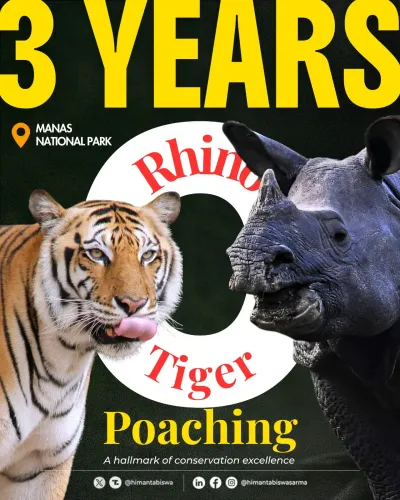
Manas National Park logs zero rhino, tiger poaching for 3 straight years
Synopsis
Manas National Park — once synonymous with poaching and insurgency — has now gone three straight years without a single rhino or tiger poaching case. Assam CM Himanta Biswa Sarma’s announcement signals one of India’s most remarkable wildlife turnarounds, built on community engagement, modern surveillance, and the Indian Rhino Vision programme.
Key Takeaways
Manas National Park has recorded zero rhino and tiger poaching for three consecutive years , announced on 16 June 2025 .
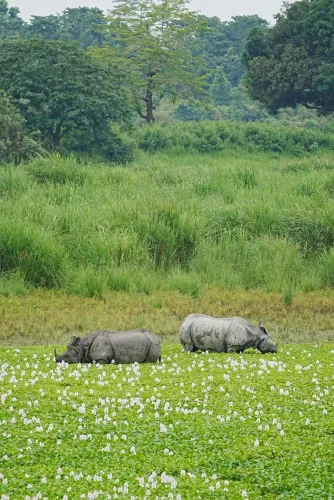
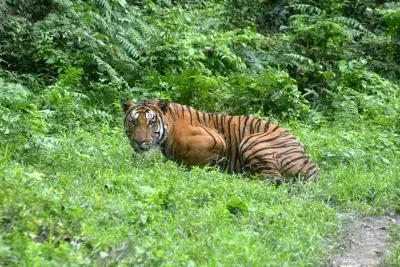
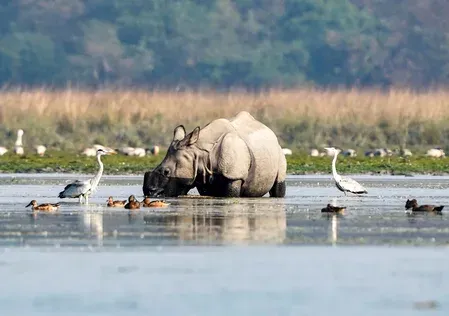
Assam CM Himanta Biswa Sarma shared the milestone on social media, calling it a sign that ‘zero poaching is the new normal.’ The park, a UNESCO World Heritage Site , is home to the greater one-horned rhinoceros , Royal Bengal tiger , Asian elephant , and wild buffalo .
Success attributed to anti-poaching operations, modern surveillance, intelligence-based enforcement, and community participation .
Rhino translocations under the Indian Rhino Vision programme have been a key driver of the park’s ecological recovery.
Manas National Park has recorded zero rhino and tiger poaching for three consecutive years, Assam Chief Minister Himanta Biswa Sarma announced on Tuesday, 16 June, calling it a landmark achievement in the state's wildlife conservation journey. The milestone marks a dramatic reversal for a park that once made headlines for rampant poaching and insurgency-linked disturbances.
What the CM Said
Sharing the development on social media, CM Sarma highlighted the scale of the turnaround. “Zero Rhino and Tiger Poaching in Manas National Park for three straight years. From an era where poaching dominated news headlines to now when zero poaching is the new normal, this feat signifies the relentless efforts Assam has undertaken to preserve our faunal diversity,” he stated.
Why Manas Matters
Manas National Park, a UNESCO World Heritage Site, shelters some of India’s most endangered wildlife, including the greater one-horned rhinoceros, the Royal Bengal tiger, the Asian elephant, the wild buffalo, and several rare bird species. The park’s ecological significance makes every conservation gain here a national-level event. Wildlife experts have consistently described the recovery of rhino and tiger populations in Manas as one of India’s most significant conservation success stories.
How the Turnaround Was Achieved
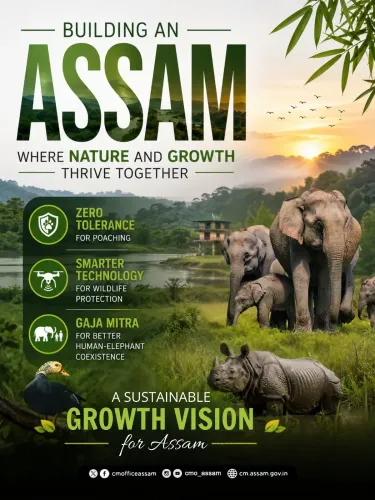
Officials attributed the three-year poaching-free record to a combination of intensified anti-poaching operations, increased deployment of forest personnel, modern surveillance technologies, and intelligence-based enforcement. Critically, the active participation of local communities in conservation initiatives has been cited as a force multiplier. The translocation of rhinos under the Indian Rhino Vision programme and sustained habitat protection measures have also contributed to the park’s ecological revival.
Enhanced coordination between the Assam Forest Department, law-enforcement agencies, and local stakeholders has further tightened the net against wildlife criminals. The state government has maintained a stated zero-tolerance policy on wildlife crimes, with particular emphasis on protecting flagship species.
Broader Impact and What Comes Next
The achievement is expected to bolster Assam’s standing as a destination for wildlife conservation and eco-tourism, drawing renewed attention to its globally significant natural heritage. This comes amid growing national momentum around Project Tiger and rhino conservation, making Manas a potential model for other protected areas facing similar pressures. Sustaining the record will require continued investment in anti-poaching infrastructure and community engagement as the park’s wildlife populations grow and human-wildlife interface intensifies.
Point of View
Something that eluded administrators for decades. What mainstream coverage underplays is the role of community forest watchers: without local buy-in, surveillance technology alone rarely delivers. The harder question now is sustainability — as rhino and tiger populations recover, human-wildlife conflict will intensify, and the same communities currently invested in conservation could face pressure from crop raids and livestock losses. Assam’s next conservation test will be whether it can hold the zero-poaching line while managing that friction.
NationPress
15 Sept 2026
Frequently Asked Questions
What is the significance of zero poaching at Manas National Park for three years?
Manas National Park recording zero rhino and tiger poaching for three consecutive years is a landmark conservation milestone for a site that once faced severe threats from both poachers and insurgency. It signals a sustained turnaround in wildlife protection at one of India’s most biodiverse UNESCO World Heritage Sites.
Which wildlife species are protected at Manas National Park?
Manas is home to the greater one-horned rhinoceros, Royal Bengal tiger, Asian elephant, wild buffalo, and numerous rare bird species. The park’s diverse fauna makes it one of India’s most ecologically significant protected areas.
How did Assam achieve zero poaching at Manas National Park?
Officials credit intensified anti-poaching operations, increased forest personnel deployment, modern surveillance technologies, intelligence-based enforcement, and active community participation. Rhino translocations under the Indian Rhino Vision programme also contributed to the park’s recovery.
Who announced the zero-poaching milestone and how?
Assam Chief Minister Himanta Biswa Sarma announced the achievement on Tuesday, 16 June, via a social media post, describing it as proof that ‘zero poaching is the new normal’ in Manas.
What is the Indian Rhino Vision programme?
The Indian Rhino Vision programme is a conservation initiative aimed at increasing the greater one-horned rhinoceros population across suitable habitats in Assam through translocations and habitat protection. It has been a key contributor to the revival of rhino numbers in Manas National Park.