IMO warns ships: No Hormuz transit without credible security guarantees
Synopsis
The IMO's top official has drawn a hard line: no voyage through the Strait of Hormuz is worth a seafarer's life. With 42 confirmed incidents and 11 deaths since late February, and US forces shooting down Iranian drones in the same corridor, the world's most critical oil chokepoint is now a documented war-risk zone — and the global shipping industry is being told to act accordingly.
Key Takeaways
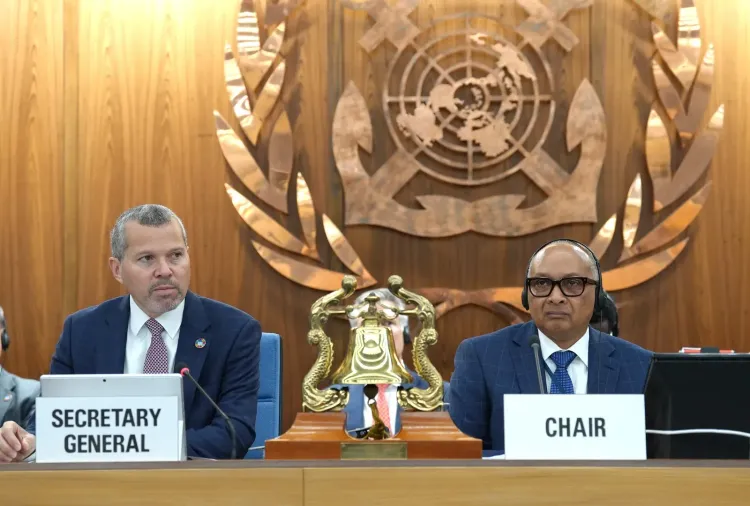
IMO Secretary-General Arsenio Dominguez warned on 9 June against Hormuz transits without credible security guarantees.
42 maritime incidents confirmed in the strait since late February; 11 seafarers have been killed.
Seafarers have also been injured and detained in recent incidents, according to the IMO.
US CENTCOM shot down two Iranian attack drones threatening Hormuz traffic on Saturday ; also intercepted ballistic missiles and drones on Friday .
Ship masters and shipping companies bear ultimate responsibility for risk assessment under international safety frameworks, the IMO stressed.
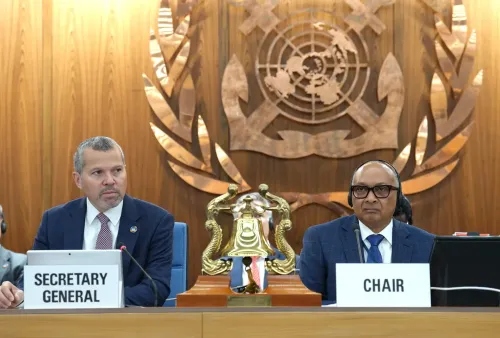
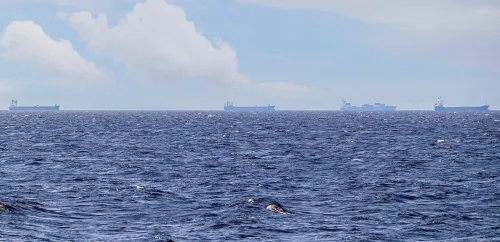
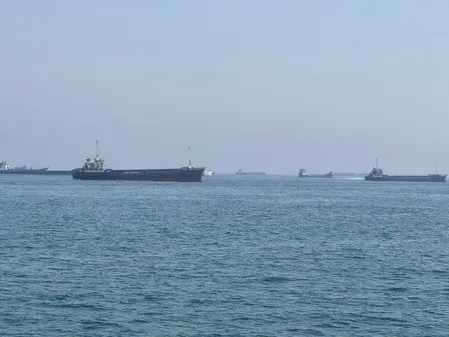
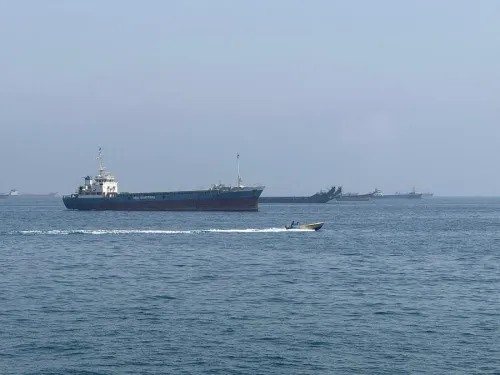
IMO Secretary-General Arsenio Dominguez on Tuesday, 9 June issued a stark warning against vessels attempting to transit the Strait of Hormuz without credible security guarantees, stating that no commercial consideration can justify placing seafarers in extreme danger. The alert comes as 42 confirmed maritime incidents have been recorded in the strait since the outbreak of conflict in late February, leaving 11 seafarers dead.
What the IMO Chief Said
'I am increasingly concerned by reports that vessels continue to attempt to transit the Strait of Hormuz without any credible security guarantees,' Dominguez said in an official statement. He stressed that the security situation in the region remained 'highly volatile' and lacked reliable assurances for safe navigation.
'No commercial or operational consideration can justify exposing seafarers to such levels of danger. The protection of their lives must remain the overriding priority at all times,' he added. Dominguez noted that seafarers had already been killed, injured, and detained in recent incidents.
Responsibility on Ship Masters and Companies
The IMO chief underscored that ship masters and shipping companies bear ultimate responsibility for voyage planning and risk assessment under international safety and security management frameworks. He called on all stakeholders to act responsibly and urged parties to refrain from actions that could endanger civilian seafarers.
US Military Action in the Strait
The warning follows a series of military escalations in the waterway. On Saturday, the US Central Command (CENTCOM) said it shot down two Iranian one-way attack drones that reportedly threatened international maritime traffic in the Strait of Hormuz. CENTCOM had also confirmed on Friday that US forces intercepted multiple ballistic missiles and drones launched by Iran toward the strait and Gulf neighbours.
Scale of the Crisis
According to IMO figures, as of 9 June, a total of 42 maritime incidents had been confirmed since the conflict began in late February, resulting in 11 confirmed seafarer fatalities. This comes amid broader regional tensions that have made the strait — through which a significant share of global oil trade flows — increasingly hazardous for commercial shipping.
What Happens Next
The IMO's intervention signals growing institutional pressure on the shipping industry to halt transits until security conditions improve. Industry observers note that insurers and flag states may now face heightened scrutiny if they continue approving voyages through the corridor. All eyes are on whether major shipping lines will formally suspend Hormuz transits in response to the IMO's escalating concern.
Point of View
The body is effectively telling the shipping industry that commercial pressure is no longer a defensible reason to route vessels through a live conflict corridor. What the statement does not do is mandate a halt — and that gap between moral urgency and enforceable authority is where the real accountability question sits. Flag states and P&I clubs that continue approving Hormuz transits will now have to answer for that decision in the open.
NationPress
23 Oct 2026
Frequently Asked Questions
Why has the IMO warned against transiting the Strait of Hormuz?
The IMO issued the warning because 42 confirmed maritime incidents have occurred in the strait since late February, resulting in 11 seafarer deaths, with the security situation described as 'highly volatile.' IMO Secretary-General Arsenio Dominguez said no commercial consideration justifies exposing seafarers to such known and significant risks.
How many seafarers have died in Hormuz incidents?
According to IMO figures as of 9 June, 11 seafarers have been confirmed killed since the outbreak of conflict in the strait in late February. Additional seafarers have been injured and detained in separate incidents.
What did US forces do in the Strait of Hormuz recently?
The US Central Command (CENTCOM) reported shooting down two Iranian one-way attack drones on Saturday that threatened international maritime traffic in the Strait of Hormuz. CENTCOM also confirmed intercepting multiple ballistic missiles and drones launched by Iran toward the strait and Gulf neighbours on the preceding Friday.
Who is responsible for ship safety in the Strait of Hormuz?
The IMO has stated that ship masters and shipping companies bear ultimate responsibility for voyage planning and risk assessment under international safety and security management frameworks. The IMO urged all stakeholders to act responsibly and refrain from endangering civilian seafarers.
What is the Strait of Hormuz and why does it matter?
The Strait of Hormuz is a narrow waterway between Iran and the Arabian Peninsula through which a significant share of global oil trade passes. Disruptions to shipping in the strait have direct consequences for global energy supply chains and freight insurance costs.