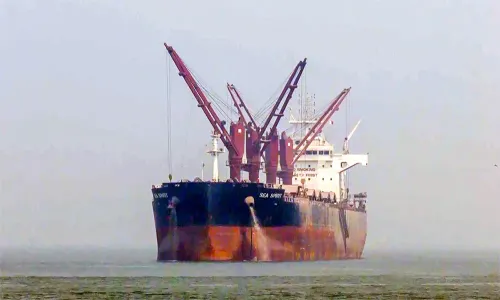
HMM Namu debris from Hormuz attack lands in South Korea for analysis
Synopsis
The wreckage from the 4 May attack on South Korean-operated cargo vessel HMM Namu has landed in Seoul for forensic analysis — marking a critical step in what could become a defining diplomatic confrontation. With a senior official suggesting Iran is the most likely culprit and experts flagging the incident as South Korea's 33rd civilian-vessel attack since the Middle East war began, the debris results could push Seoul toward joining US-led naval missions in the Strait of Hormuz.
Key Takeaways
Debris from the 4 May attack on the HMM Namu in the Strait of Hormuz arrived in South Korea on 16 May for analysis.
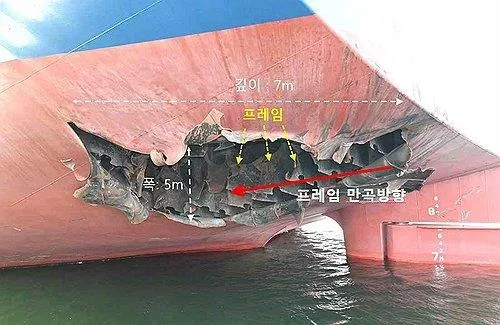
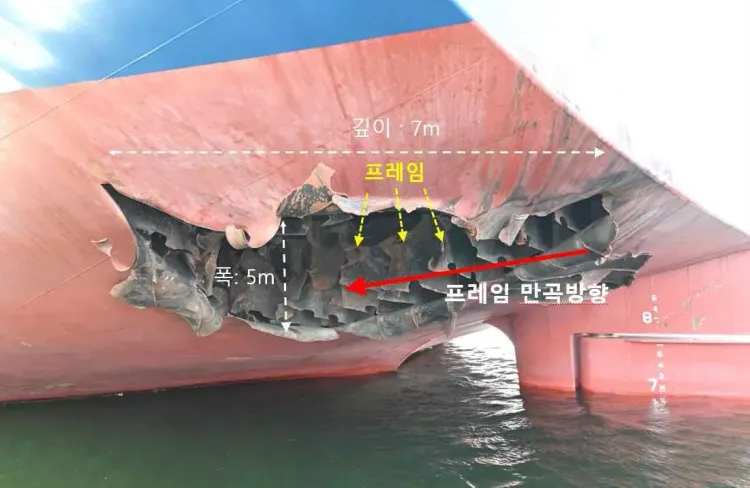
An on-site inspection confirmed the vessel was struck by two airborne objects , causing an explosion and fire on board.
A senior South Korean official said the likelihood of the attack originating from an actor other than Iran was 'not high.' The Agency for Defence Development (ADD) , a state defence research institute, is expected to conduct the forensic examination.
The strike was the 33rd attack on a civilian vessel since the Middle East war began on 28 February .
Experts say the confirmed attack could prompt South Korea to consider joining US-led freedom-of-navigation missions in the strait.
Debris recovered from airborne objects that struck the HMM Namu, a South Korean-operated cargo vessel, in the Strait of Hormuz on 4 May has arrived in Seoul for forensic examination, South Korea's foreign ministry confirmed on Friday, 16 May. The material was flown in following consultations with the United Arab Emirates government and will be analysed by specialised agencies.
What the On-Site Inspection Found
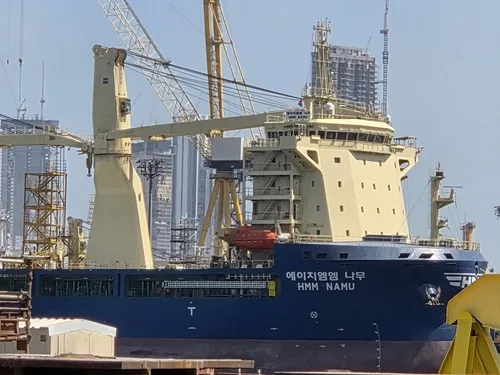
An inspection conducted last weekend confirmed that the HMM Namu — a Panama-flagged cargo ship operated by South Korean shipping firm HMM Co. — was struck by two airborne objects in succession while stranded in the strait, triggering an explosion and fire on board. The vessel had been operated under the HMM banner, one of South Korea's largest container shipping companies.
South Korea's foreign ministry officially described the projectiles as 'unidentified flying objects' in its investigation findings released on 10 May, stopping short of attributing responsibility pending laboratory results.
Iran in the Frame, But No Confirmation Yet
A senior South Korean government official said earlier that the likelihood of the attack having been launched by an actor other than Iran was 'not high.' The official added that a 'commensurate diplomatic offensive' would be pursued once the perpetrator was formally identified. The government has not yet made any official attribution.
The debris analysis is expected to be conducted by the Agency for Defence Development (ADD), a state-run defence research institute operating under the defence ministry. Results from the ADD's examination are anticipated to be a key determinant in Seoul's next steps.
Broader Context: The 33rd Attack on a Civilian Vessel
According to the senior official, the strike on the HMM Namu was the 33rd attack on a civilian vessel since the war in the Middle East began following the United States and Israel's attack on Iran on 28 February. Seoul has been reviewing how other nations responded to previous incidents as it weighs its own diplomatic and security options.
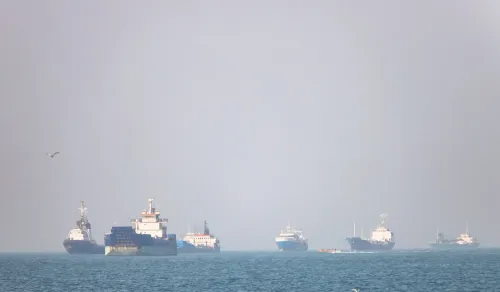
Notably, experts had stated on 10 May that the confirmed strike could give South Korea grounds to consider joining US-led missions aimed at protecting freedom of navigation in the Strait of Hormuz — a waterway critical to global energy and trade flows. This comes amid heightened tensions across the region that have made commercial shipping increasingly vulnerable.
What Happens Next
The forensic analysis by the Agency for Defence Development will be closely watched by regional security observers and shipping industry stakeholders alike. South Korea's foreign ministry has indicated it will communicate findings once the examination is complete. Any formal attribution could trigger a significant diplomatic response from Seoul and potentially draw the country deeper into multilateral maritime security arrangements in the Persian Gulf.
Point of View
But the official framing — 'not high' likelihood of another actor — is as close to a pre-attribution as Seoul's diplomatic culture permits. The real stakes are not just forensic: if the ADD confirms Iranian-origin munitions, Seoul faces a choice between a targeted diplomatic offensive and deeper entanglement in US-led Hormuz patrols, a move that would mark a significant shift in South Korea's historically restrained Middle East posture. With 33 civilian-vessel attacks logged since February, the shipping industry's patience with ambiguous multilateral responses is running thin — and Seoul's next move could set a precedent for how non-Western nations respond to attacks on their commercial fleets in contested waters.
NationPress
24 Sept 2026
Frequently Asked Questions
What happened to the HMM Namu in the Strait of Hormuz?
The HMM Namu, a Panama-flagged cargo ship operated by South Korean firm HMM Co., was struck by two airborne objects while stranded in the Strait of Hormuz on 4 May, causing an explosion and fire on board. South Korea's foreign ministry confirmed the strike following an on-site inspection last weekend.
Who is suspected of carrying out the attack on the HMM Namu?
A senior South Korean government official said the possibility of the attack having been launched by an actor other than Iran was 'not high,' though no formal attribution has been made. The government is awaiting the results of forensic analysis before pursuing what it described as a 'commensurate diplomatic offensive.'
Which agency will analyse the debris from the Hormuz attack?
The debris is expected to be examined by the Agency for Defence Development (ADD), a state-run defence research institute under South Korea's defence ministry. The analysis aims to determine the precise nature and origin of the airborne objects that struck the vessel.
How significant is this attack in the broader context of Middle East maritime violence?
According to South Korean officials, the strike on the HMM Namu was the 33rd attack on a civilian vessel since the Middle East war began following the US and Israel's attack on Iran on 28 February. Seoul has been studying how other countries responded to previous incidents as it considers its options.
Could this incident lead South Korea to join US-led naval missions in the Strait of Hormuz?
Experts stated on 10 May that the confirmed attack gives South Korea grounds to consider joining US-led missions aimed at protecting freedom of navigation in the Strait of Hormuz. No formal decision has been announced; Seoul says it will determine its response once the perpetrator is identified.