Pakistan's Struggles in Safeguarding Minority Rights Amidst Rising Sectarian Violence
Synopsis
A recent report reveals the Pakistani government's failure to protect its religious minorities amid escalating sectarian violence, highlighted by a tragic attack on a Shia mosque in Islamabad. This situation raises urgent questions about the security and rights of minority communities in the country.
Key Takeaways
The Pakistani government has been criticized for its inaction regarding sectarian violence.
A recent attack on a Shia mosque resulted in numerous casualties, highlighting the dangers faced by minorities.
Various minority groups experience ongoing threats and discrimination.
International organizations call for greater accountability and protection for vulnerable communities.
Addressing these issues is essential for societal stability.
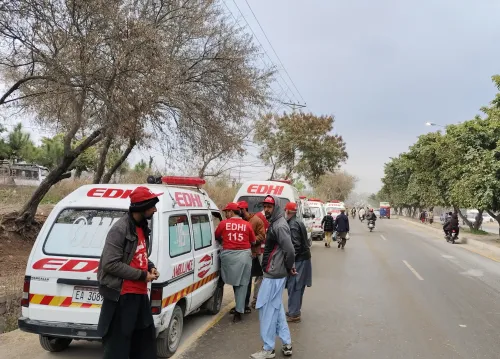
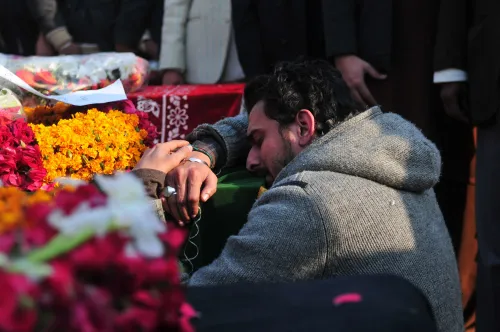
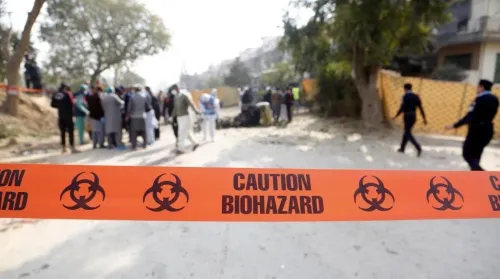
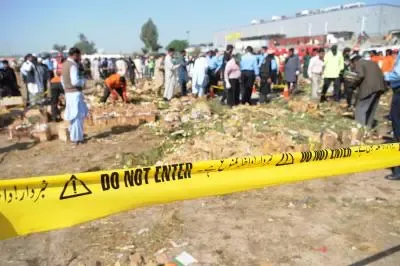
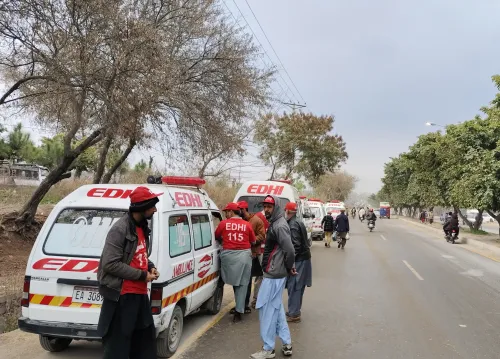
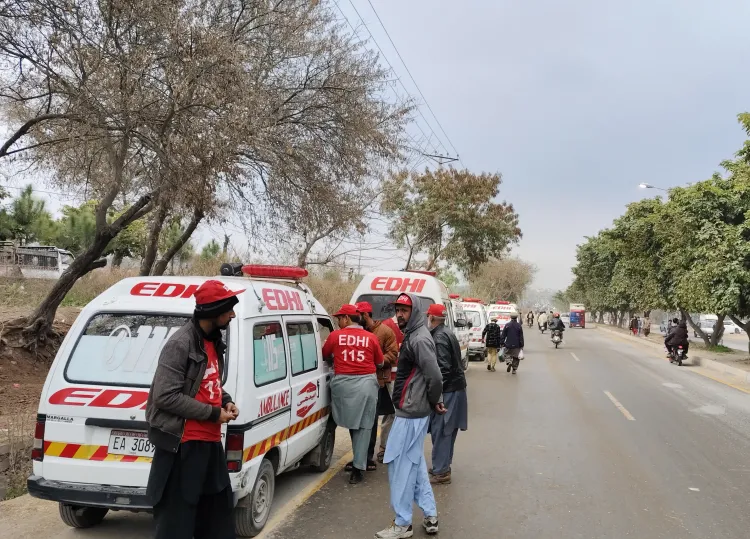
Athens, March 14 (NationPress) The government of Pakistan has been ineffective in addressing the misconduct of its security and intelligence agencies, enabling extremists to persistently target religious minorities. The recent suicide bombing at a Shia mosque in Islamabad, which resulted in the deaths of 36 Shia individuals and left approximately 170 others injured, underscores the precarious situation that minority Muslim groups endure in Pakistan, as reported.
“I have witnessed numerous crime scenes. However, this was particularly…” remarked Shahid Malik, a police official in Pakistan, as he described the magnitude of the violence, according to Athens-based 'Directus'.
Shias, making up 10–15 percent of Pakistan’s population, not only face religious discrimination but also endure harassment and deadly assaults from the predominantly Sunni community.
“Such a terrorist incident in the federal capital signifies not only a grave failure in safeguarding human lives but also raises critical questions regarding the efficacy of authorities and law enforcement,” stated Raja Nasir Abbas Jafri, a prominent Shia figure.
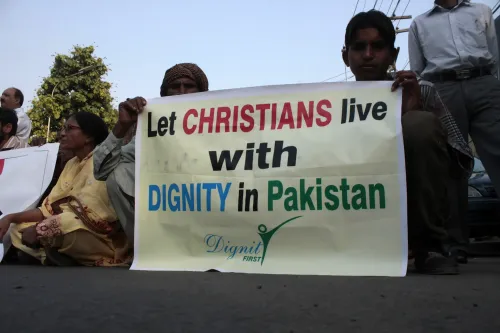
The report noted that various minority groups, including Shias, Hazaras, Ahmadiyyas, Ismailis, Dawoodi Bohras, Zikris, and Sufi and Barelvi Muslims, experience ongoing sectarian violence, discriminatory legislation, and inadequate legal protection. Their communities and places of worship remain at constant risk of attacks.
The International Crisis Group indicated that violence against minority Muslims by Sunni factions has intensified in Pakistan due to the government's failure to limit civic spaces that foster sectarian animosity.
“The state’s inability to prosecute sectarian violence has fostered a permissive legal atmosphere. In numerous cases, government policies have amplified rather than diminished sectarian discourse,” the group based in Belgium reported.
Another significant Islamic minority that is routinely targeted in Pakistan is the Ahmadiyya community.
Referring to the gunfire assault on an Ahmadiyya mosque in Lahore in October 2025, the Ahmadiyya Muslim Jamaat Canada stated, “This atrocious act represents yet another episode in the ongoing violence directed against the Ahmadiyya Muslim community in Pakistan—a community that continues to endure state-sanctioned discrimination and oppression in silence.”
The UN High Commissioner for Human Rights (OHCHR) has previously condemned the desecration of Ahmadiyya graves and minarets, alongside the demolition of a historical mosque in Punjab’s Daska, which was over a century old.
Ismailis, another minority sect, have also been victims of Sunni extremist attacks in Pakistan. A decade ago, at least 43 Ismailis were killed when six assailants opened fire on a bus transporting passengers to Karachi.
“We vow to make you and your families weep tears of blood and will not cease until we have purified this land of you and established sharia,” read the pamphlets discovered at the crime scene, according to the report.
Point of View
It's vital to recognize the ongoing challenges faced by minority communities in Pakistan. The government's inaction in the face of rising sectarian violence is alarming. This situation not only affects the safety of individuals but also reflects broader societal issues that need urgent attention. A nation cannot thrive when its citizens live in fear; a commitment to protect all communities must be paramount.
NationPress
12 Oct 2026
Frequently Asked Questions
What happened in the recent Shia mosque attack in Pakistan?
A suicide bombing at a Shia mosque in Islamabad resulted in the deaths of 36 individuals and left around 170 injured, highlighting the insecurity faced by minority communities.
Which minority communities in Pakistan are most affected by sectarian violence?
Shias, Hazaras, Ahmadiyyas, Ismailis, Dawoodi Bohras, Zikris, Sufi, and Barelvi Muslims are among the groups facing continuous sectarian violence.
What has the government done about this violence?
Critics argue that the Pakistani government has failed to adequately address the abuses by security agencies and has not effectively prosecuted those responsible for sectarian attacks.
What do international organizations say about the situation?
The International Crisis Group and the UN High Commissioner for Human Rights have condemned the government's inaction and the ongoing discrimination against minority groups.
What are the long-term implications of this violence?
The continued targeting of minority communities poses significant risks to social stability and human rights in Pakistan, necessitating urgent reform.