Concerns Arise After ISKP Suicide Bombing at Islamabad Shia Mosque
Synopsis
The recent ISKP suicide bombing at a Shia mosque in Islamabad, which resulted in 36 fatalities and over 160 injuries, signals the rise of a new militant threat in Pakistan, raising alarms over operational capacities and sectarian tensions.
Key Takeaways
36 lives lost in the ISKP suicide bombing at a Shia mosque.
Over 160 individuals injured during the attack.
The incident highlights a potential rise of militant threats in Pakistan.
Operational capabilities of ISKP show they are not merely residual.
This attack risks reigniting sectarian tensions within the country.
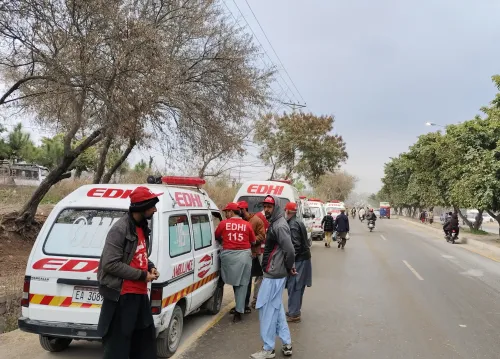
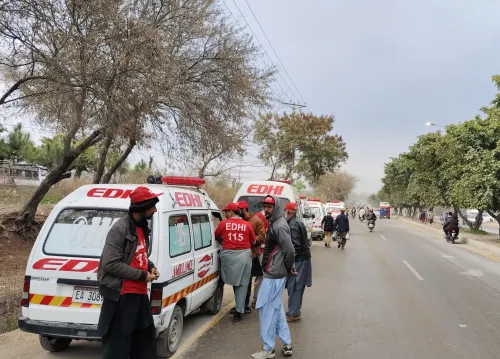
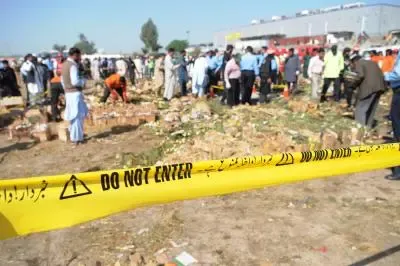
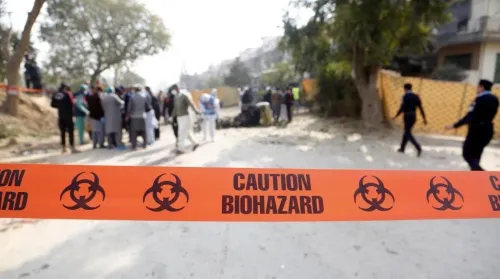
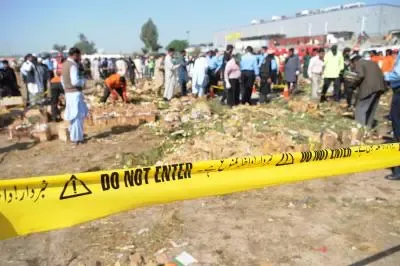
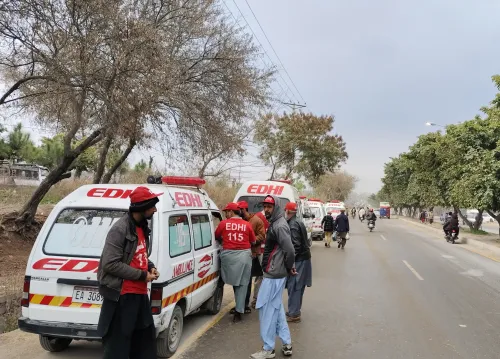
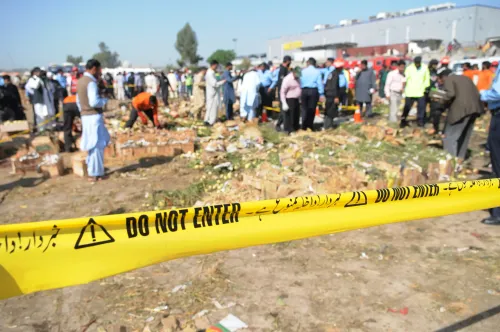
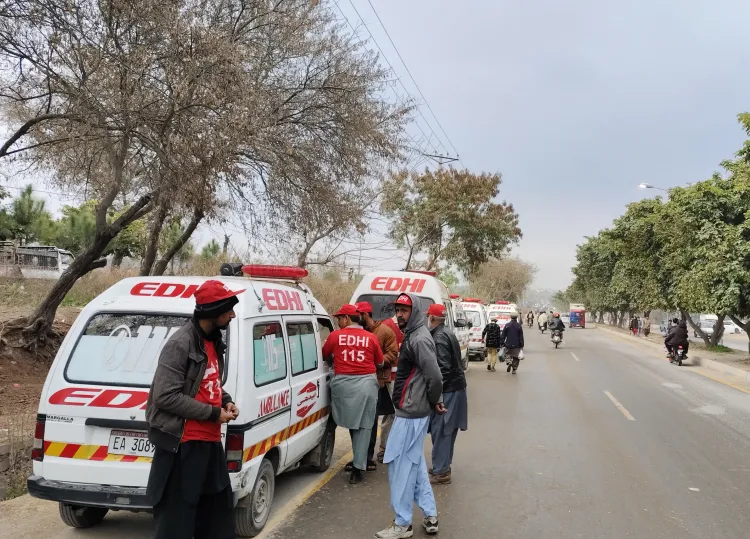
Islamabad, Feb 23 (NationPress) The suicide attack carried out by the Islamic State Khorasan Province (ISKP) on a Shia mosque in Islamabad, Pakistan, resulted in the tragic loss of 36 lives and left over 160 individuals injured during the Friday prayers on February 6. This incident raises significant alarms about the potential rise of a new militant threat within the country.
"This assault breached what is generally considered the most secure area in the nation, highlighting that the terrorist operational capabilities cannot be overlooked as merely residual. Furthermore, it poses a risk of reigniting long-dormant sectarian divides that had been relatively quiet in recent years. Most alarmingly, this event indicates the possible emergence of another militant faction alongside the Pakistani Taliban and Baloch militants," stated Ihsanullah Tipu Mehsud, a journalist and analyst based in Islamabad, in 'The Express Tribune' magazine.
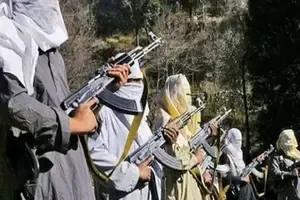
The ISKP, which operates from Central Asia to Turkey, has suffered considerable losses in recent years. However, despite these setbacks, the group continues to execute sporadic yet unpredictable attacks in Pakistan and beyond, leaving local authorities in disarray. Since its inception, the ISKP, an offshoot of the Islamic State in Iraq and Levant (ISIL), has maintained a staunch anti-Shia ideology and has broadened its list of targets to include the US, China, Russia, and other nations.
"An in-depth analysis of the ISKP's propaganda reveals that the dissemination of anti-Shia sentiments is a consistent theme, inciting extreme hatred and violence against Shia communities. The ISKP's rivalry with the Taliban-led Afghan interim government, and even Hamas, is intricately linked to their relationships with Iran, viewing anyone who aligns with Iran as a prime target," Mehsud elaborated.
The attack on the mosque was met with numerous reactions on both mainstream and social media, with speculations suggesting it was intended to disrupt the Pakistan Tehreek-e-Insaf's (PTI) protests against alleged election rigging or the Basant festival in Lahore. This centuries-old spring celebration was recently reinstated by Punjab Chief Minister Maryam Nawaz, following a nearly 20-year ban.
"However, it is vital to recognize that the actions of non-state actors are complex. Their goals extend beyond causing physical damage to achieving political and propaganda objectives by fostering mistrust, social and political fragmentation, and moral decline. Understanding militancy requires recognizing its patterns, as such attacks are not spontaneous but involve extensive preparation, including training in explosives, logistical arrangements for transportation, and securing locations while maintaining anonymity," Mehsud noted in 'The Express Tribune' magazine.
Furthermore, a thorough reconnaissance of the target site is conducted to collect intelligence on security measures and identify vulnerabilities. Once all preparations are finalized, militant groups execute their plans swiftly, often evading detection by authorities. It appears that the timing of the attack, coinciding with a political or cultural event, was more coincidental than a deliberate effort to disrupt, especially given the ISKP's limited resources, inactive state, and heightened surveillance from domestic, regional, and international entities.
In recent years, the ISKP has evolved from traditional training methods to a more dispersed and concealed organization, focusing on ideological indoctrination over territorial control. They leverage secure digital platforms for recruitment, radicalization, and operational direction. While Western nations have the technological capability to monitor and disrupt ISKP's digital activities, countries like Pakistan and Afghanistan lack the necessary resources, allowing the group to execute attacks despite facing significant losses.
Point of View
This incident underscores the urgent need for vigilance and action against rising militant threats in Pakistan. The operational capabilities of groups like ISKP indicate a troubling trend that could destabilize sectarian harmony in the region.
NationPress
2 Oct 2026
Frequently Asked Questions
What happened in Islamabad on February 6?
A suicide bombing by the ISKP targeted a Shia mosque during Friday prayers in Islamabad, resulting in 36 deaths and over 160 injuries.
What does this attack signify?
The attack indicates the potential emergence of a new militant front in Pakistan and raises concerns about the resurgence of sectarian violence.
Who is responsible for the attack?
The Islamic State Khorasan Province (ISKP) has claimed responsibility for the suicide bombing.
What are the implications of this attack?
It highlights the operational capabilities of terrorists and risks reigniting sectarian tensions that had been subdued recently.
How has ISKP evolved over the years?
ISKP has shifted from traditional training methods to a more dispersed approach that emphasizes ideological indoctrination and digital recruitment.