Is the Resurgence of Islamic State in Pakistan a Threat to Regional Security?
Synopsis
The resurgence of ISIS-K in Pakistan poses a significant threat to regional stability, particularly affecting India. As the group attempts to expand its influence, the potential for cross-border terrorism rises. Can Pakistan navigate this dangerous landscape without compromising security?
Key Takeaways
ISIS-K poses a renewed threat in Pakistan .
Potential destabilization of the wider region, including India .
Cross-border terrorism is a rising concern.
Pakistan's internal instability could lead to increased terror activities.
Strategic implications of clandestine agreements with ISIS-K .
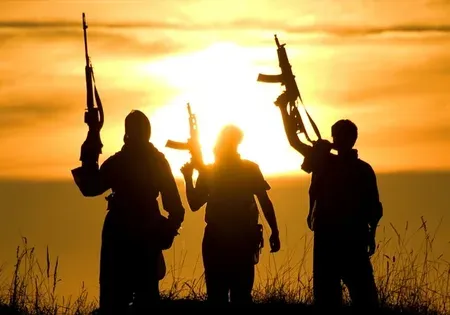
Islamabad, Feb 11 (NationPress) The persistent threat from ISIS-K continues to raise alarms, with its possible resurgence in Pakistan potentially undermining stability across the broader region, including India. The terror organization is making efforts to reestablish its presence beyond its historical operational zones.
A report released on Wednesday emphasizes that the danger could escalate if Pakistan covertly seeks to renegotiate with ISKP, directing its activities towards Kashmir and facilitating operations aimed at India.
As highlighted in a report by the India Narrative, India must maintain heightened vigilance regarding ISKP activities, as instability in Pakistan's internal security could pave the way for cross-border terrorism and the rise of new networks targeting India.
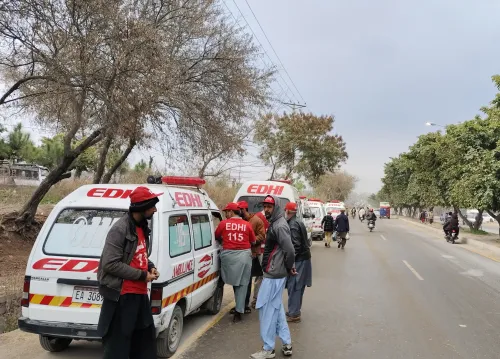
“After nearly five years, ISIS has executed a high-casualty attack in the subcontinent, targeting a Shia mosque in Pakistan, resulting in over 30 fatalities and approximately 170 injuries. The last similar incidents include the 2023 Khar bombings and the Peshawar Mosque bombing in 2022, which claimed more than 60 lives, and the deadly Abby Gate bombings during the US withdrawal from Afghanistan in 2021, that left over 170 dead,” the report stated.
“After a two-year hiatus, ISIS-K has executed another high-casualty suicide bombing, coinciding with the visit of the Uzbekistan President to Pakistan. This may seem like an isolated incident, but dismissing it as such would be imprudent. Closer scrutiny of the Khorasan Province faction’s efforts to establish a foothold in the South Asian region raises serious concerns for regional security,” it added.
The report underscores that the recent mosque bombing in Islamabad by ISIS-K signifies another instance of taking advantage of security gaps in Pakistan, particularly as the Baloch Liberation Army (BLA) initiated the second phase of its Operation Herof from January 31 to February 8.
According to sources, it was revealed that Pakistan's intelligence agency, the ISI, secretly established a pact with ISIS in 2017. This agreement stipulated that the terror group would refrain from attacking Pakistan and limit its operations to Afghanistan. Nevertheless, ISKP executed a suicide attack during a Baloch Awami Party (BAP) political event in the Mustang district of Balochistan.
“While ISKP did not directly target Pakistani entities until 2020, it has been suggested that through secret dealings with ISKP, Pakistan aimed to leverage ISKP as a proxy against the Taliban and the Balochis. Allowing and tolerating ISKP's activities in Afghanistan provides Pakistan with dual strategic advantages: first, proxy warfare against the TTP and the BLA, and second, gaining diplomatic leverage through extradition and intelligence sharing concerning ISKP members, including the March 2025 capture and extradition of ISKP commander Mohammad Sharifullah to the US,” the report elaborated.
“However, this clandestine dual-benefit relationship with ISKP has inflicted significant repercussions for Pakistan's security establishment and has proven to be a hazardous gamble,” it concluded.
Point of View
It is imperative to approach the resurgence of ISIS-K in Pakistan with caution. While the unfolding situation is indeed serious, it is crucial to remain vigilant and analyze the broader implications for national and regional security without inciting unnecessary panic.
NationPress
26 Sept 2026
Frequently Asked Questions
How does the resurgence of ISIS-K affect Pakistan?
The resurgence of ISIS-K in Pakistan raises security concerns, potentially leading to increased cross-border terrorism and instability within the region.
What are the implications for India?
India must remain vigilant as the resurgence of ISIS-K could facilitate new terror networks aimed at India, especially given the ongoing tensions in Kashmir.
What was the recent attack by ISIS-K?
ISIS-K recently executed a high-casualty attack on a Shia mosque in Pakistan, resulting in over 30 deaths and numerous injuries.
What is Pakistan's strategy regarding ISIS-K?
Reports suggest that Pakistan has engaged in clandestine agreements with ISIS-K, aiming to utilize the group as a proxy against the Taliban and Baloch insurgents.