Pakistan using ISKP to pressure Taliban, Baloch rebels: Report
Synopsis
A report by Moroccan researcher Fatima El Hashimi argues Pakistan is deliberately cultivating ISKP — not for ideological reasons, but as a grey-zone pressure tool against both the Afghan Taliban and Baloch insurgents. With over 1,000 TTP attacks in 2025 alone and CPEC under threat, Islamabad appears to be reaching for a dangerous old playbook — one with global counterterrorism consequences.
Key Takeaways
Pakistan reportedly extends patronage to ISKP (ISIS-K) as a strategic instrument against the Afghan Taliban and Baloch rebels , not for ideological reasons, according to a report in The Citizen .
Tehreek-e-Taliban Pakistan (TTP) launched over 1,000 attacks in 2025 on Pakistani security forces in Khyber Pakhtunkhwa .
BNM chairman Naseem Baloch told a UN forum in 2024 that ISIS training camps in Balochistan operate under Pakistani military oversight.
ISKP facilities have reportedly been established in Mastung and Khuzdar in Balochistan by pro-military outfits.
The Afghan Taliban has publicly accused Pakistan of using ISKP to destabilise Afghanistan.
China has raised concerns at the highest levels about the safety of CPEC personnel and projects amid the Baloch insurgency.
Pakistan appears to be extending patronage to the Islamic State-Khorasan Province (ISKP) — also known as ISIS-K or Daesh Khorasan — not out of ideological alignment, but as a calculated strategic instrument to pressure both the Afghan Taliban and Baloch insurgents, according to a detailed report published in Tanzania-based The Citizen.
The Core Allegation
Moroccan researcher and journalist Fatima El Hashimi, writing in The Citizen, argued that available evidence points to a deliberate Pakistani policy choice rather than an enforcement failure. 'Today, the evidence suggests that Pakistan appears to be extending patronage to ISKP — not out of ideological sympathy, but as a calculated instrument of pressure against both the Afghan Taliban and Baloch insurgents. The international community needs to pay attention to this development as it can have global implications,' she wrote.
On 30 June, reports emerged of cross-border activity between Afghanistan and Pakistan, centred on alleged ISKP hideouts. According to the report, such incidents have recurred repeatedly in recent years as Islamabad has sought to counter the Taliban through other militant proxies in the region.
Pakistan-Taliban Relations and the TTP Factor
The report traces the roots of Pakistan's alleged pivot to a sharp deterioration in Islamabad–Kabul relations since August 2021. Cross-border skirmishes between Pakistani and Afghan forces have grown in both frequency and intensity. Notably, Tehreek-e-Taliban Pakistan (TTP) reportedly launched over 1,000 attacks in 2025 alone, inflicting significant casualties on Pakistani security forces across Khyber Pakhtunkhwa. All mediation efforts between the two sides have, according to the report, yielded no tangible outcome.
The Balochistan Dimension
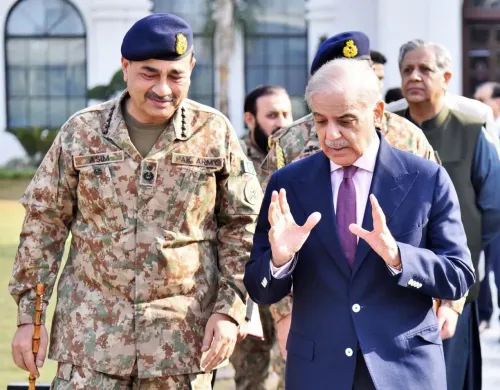
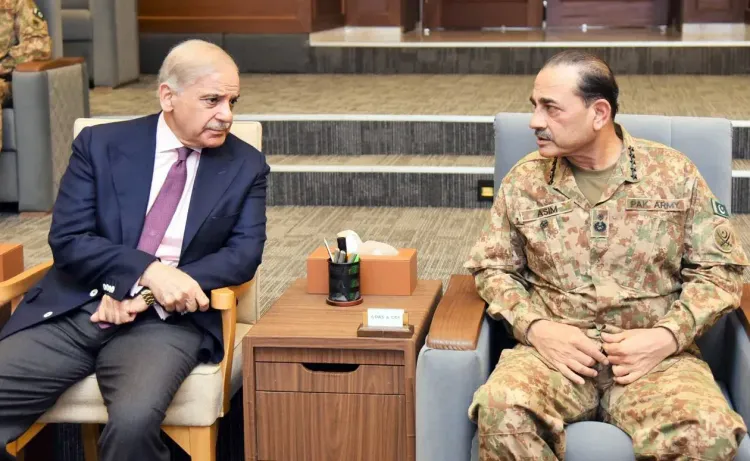
Simultaneously, Baloch armed groups have escalated attacks on security forces and critical infrastructure in Balochistan, including projects linked to the China-Pakistan Economic Corridor (CPEC). China has reportedly raised concerns about the safety of its personnel and investments at the highest levels in Islamabad, placing Pakistan Army Chief Field Marshal Asim Munir under serious pressure to deliver results.
Munir's response — a 'hard state' policy of coercion in Khyber Pakhtunkhwa and Balochistan — has, critics argue, further alienated Pashtun and Baloch communities and deepened the crisis rather than resolving it.
At a United Nations (UN) forum in 2024, Baloch National Movement (BNM) chairman Naseem Baloch stated that ISIS training camps in Balochistan operate under Pakistani military oversight. This claim aligns with separate reporting that local pro-military outfits established ISKP facilities in Mastung and Khuzdar — districts reportedly used both to suppress Baloch resistance and as launchpads for attacks inside Afghanistan.
The Grey-Zone Strategy
Hashimi's report also flags that in 2025, Lashkar-e-Taiba (LeT) leadership reportedly convened a meeting in Balochistan, pledging armed struggle against what it termed 'anti-Pakistan' forces — a category that included Baloch nationalists and elements of the Afghan Taliban resistant to Islamabad's influence.
'ISKP leadership figures, media commanders, foreign recruiters, and external facilitators have consistently surfaced near Pakistan's western border. This pattern does not suggest mere enforcement failure,' Hashimi wrote. 'It suggests either selective enforcement or a deliberate grey-zone approach, in which militant pressure is allowed to flow in directions perceived as strategically useful — against the Taliban and the Baloch simultaneously.'
Taliban's Public Accusation
The Afghan Taliban has itself publicly accused Pakistan of using ISKP to destabilise Afghanistan. Kabul's intensive counterterrorism operations against ISKP have, according to the report, compressed the group's operational space inside Afghanistan — adding another layer of tension to an already fraught bilateral relationship.
If the pattern documented in the report holds, the implications extend well beyond South Asia, potentially drawing in regional powers and complicating global counterterrorism frameworks.
Point of View
Pakistan is not merely failing to suppress ISKP — it is selectively enabling it, a distinction with enormous counterterrorism consequences. The pattern of ISKP figures surfacing near Pakistan's western border, combined with the BNM's UN-level testimony on military-linked training camps, makes the 'enforcement failure' explanation increasingly difficult to sustain. What is missing from mainstream coverage is how this alleged grey-zone strategy complicates Western and Chinese pressure on Islamabad: Beijing, deeply invested in CPEC, cannot afford to publicly acknowledge that its partner may be weaponising jihadist proxies in the same province where its infrastructure runs. That contradiction — and Islamabad's ability to exploit it — is the real story here.
NationPress
19 Oct 2026
Frequently Asked Questions
Why is Pakistan allegedly supporting ISKP?
According to the report by researcher Fatima El Hashimi, Pakistan's military establishment is allegedly patronising ISKP not out of ideological sympathy, but as a calculated pressure tool against the Afghan Taliban and Baloch insurgents. Islamabad's relations with the Afghan Taliban collapsed after August 2021, and Baloch armed groups have simultaneously escalated attacks on CPEC infrastructure.
What is ISKP and how is it connected to Pakistan?
ISKP, or Islamic State-Khorasan Province (also called ISIS-K or Daesh Khorasan), is the South Asian affiliate of the Islamic State. The report alleges that pro-military outfits in Pakistan established ISKP facilities in Balochistan's Mastung and Khuzdar districts, reportedly used to suppress Baloch resistance and launch attacks inside Afghanistan.
What did the Baloch National Movement say at the UN?
BNM chairman Naseem Baloch stated at a UN forum in 2024 that ISIS training camps in Balochistan function under Pakistani military oversight. This claim aligns with separate reporting cited in The Citizen about ISKP facilities in Mastung and Khuzdar.
How has the Afghan Taliban responded to Pakistan's alleged use of ISKP?
The Afghan Taliban has publicly accused Pakistan of using ISKP to destabilise Afghanistan. Kabul has conducted intensive counterterrorism operations against ISKP, which have reportedly compressed the group's operational space inside Afghanistan, further straining Pakistan-Afghanistan relations.
What is the significance of CPEC in this context?
The China-Pakistan Economic Corridor (CPEC) runs through Balochistan, where Baloch armed groups have escalated attacks on infrastructure and personnel. China has raised concerns at the highest levels in Islamabad about the vulnerability of its projects, placing Pakistan Army Chief Field Marshal Asim Munir under significant pressure to restore security.