Pakistan's ISKP gamble backfires as ISPP emerges as new threat
Synopsis
Pakistan reportedly tried to use the Islamic State Pakistan Province as a counterweight against the TTP and BLA — and it has backfired badly. The ISPP has rejected any alignment with Islamabad, is absorbing disaffected TTP fighters, and is now staging attacks across KP and Balochistan with transnational funding and a growing digital footprint. The murder of cleric Sheikh Idrees Tarangzai in May was, experts say, the ISPP's declaration of war against the Pakistani state.
Key Takeaways
Pakistan's reported strategy of co-opting the ISKP/ISPP against the TTP and BLA has backfired, with the group now targeting Pakistani security forces.
An Intelligence Bureau official confirmed there was no dedicated intelligence assessment on the ISPP threat before it expanded significantly.
The ISPP's major growth phase began in 2025 , with reportedly more than 100 disgruntled TTP operatives recruited into its ranks.
The 5 May murder of cleric Sheikh Idrees Tarangzai in KP is seen as the ISPP's signal that it views Islamabad as an enemy.
The group is active in KP , Balochistan , and Quetta , with officials warning it may expand operations nationwide.
Several attacks previously attributed to the TTP were reportedly carried out by the ISPP, compounding the intelligence misread.
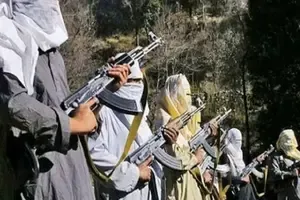
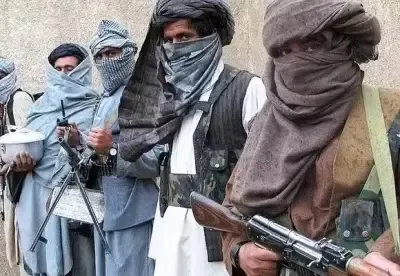
Pakistan's reported strategy of enlisting the Islamic State Khorasan Province (ISKP) — operating as the Islamic State Pakistan Province (ISPP) inside the country — to counter the Balochistan Liberation Army (BLA) and the Tehreek-e-Taliban Pakistan (TTP) appears to be producing dangerous unintended consequences. According to officials, the ISPP has abandoned any alignment with Pakistani security forces and is now expanding rapidly across Khyber Pakhtunkhwa (KP) and Balochistan, emerging as a formidable new threat in its own right.
Intelligence Failure at the Core
An Intelligence Bureau official said Pakistani agencies were so focused on the TTP and BLA that they failed to track the ISPP's growth. 'The Pakistani intelligence agencies and the security forces gave too much priority to the TTP and BLA and in the bargain failed to realise that the ISPP and outfits such as the Ittehad Mujahideen-e-Pakistan (IMP) had been expanding,' the official said.
According to the official, there was not a single dedicated intelligence assessment or report highlighting the threat posed by the ISPP. The group reportedly capitalised on these blind spots to extend its footprint with little scrutiny from the state apparatus.
From 2015 Beginnings to a 2025 Surge
Although the ISPP began operations in 2015 in KP and Balochistan, the real acceleration came in 2025 — coinciding with the period of intense clashes between Pakistani security forces and both the TTP and BLA. Officials say it was during this window that the ISPP began actively recruiting disaffected TTP members, with reportedly more than 100 disgruntled operatives joining its ranks.
Notably, this is not the first time Pakistan's security establishment has been caught off-guard by a militant group it underestimated. The pattern of tactical miscalculation — engaging one threat while a secondary actor consolidates — has recurred across decades of Pakistan's counter-insurgency history.
Funding, Digital Reach, and Rising Attacks
Officials say the ISPP is backed by substantial financial resources, drawing on the transnational funding networks of its parent organisation, the Islamic State. The group has also leveraged digital publications — including its latest magazine, 'Invade' — to expand its international reach and recruitment base.
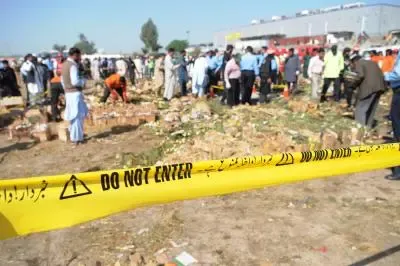
With these resources, the ISPP has stepped up the frequency of its attacks, with security personnel and state assets as its principal targets. Most large-scale incidents are currently concentrated in KP and Balochistan, though officials warn the group may seek to extend operations to other parts of the country. 'If that happens, Islamabad could face a far more complex security challenge that may prove increasingly difficult to contain,' one official warned.
The Tarangzai Murder: A Turning Point
Observers point to the 5 May murder of Deobandi cleric Sheikh Idrees Tarangzai in KP as a defining signal. Sheikh Tarangzai had reportedly been meeting with the ISPP's top leadership, urging them to cooperate with Pakistani security forces, and publicly praised the army and Field Marshal Asim Munir after those meetings. His killing, experts say, was a direct message from the ISPP that it would treat Islamabad as an enemy, not an ally.
Officials also note that several attacks previously attributed to the TTP in intelligence assessments were, in fact, carried out by the ISPP — a misattribution that further obscured the group's true operational scale.
What Comes Next
The ISPP's road map, according to officials, is clear: weaken the Pakistani state and inflict sustained damage on its security forces. Incidents of sectarian violence, suicide bombings, and targeted killings are on the rise. The group has also been expanding rapidly in Quetta, with officials describing its fighters as resilient, well-funded, and equipped with modern infrastructure and digital capabilities.
Whether Pakistan's establishment can recalibrate its intelligence priorities fast enough to contain the ISPP — while simultaneously managing the TTP and BLA — will be the defining security question for the country in the months ahead.
Point of View
Consolidates quietly, and then turns. What makes this iteration more dangerous is the ISPP's transnational IS affiliation, which provides funding and recruitment pipelines that purely domestic groups lack. The misattribution of ISPP attacks to the TTP is not just an intelligence embarrassment — it means Pakistan has been fighting the wrong threat profile for months, allowing the ISPP to set the terms of engagement. The assassination of Sheikh Tarangzai, a figure the establishment was actively using as a back-channel, suggests the ISPP is now confident enough to send direct messages to the army. That is a significant escalation threshold, and one Islamabad appears unprepared for.
NationPress
22 Oct 2026
Frequently Asked Questions
What is the Islamic State Pakistan Province (ISPP)?
The ISPP is the Pakistan-based operational wing of the Islamic State, also known as ISKP (Islamic State Khorasan Province). It began operations in Pakistan's KP and Balochistan regions in 2015 and has accelerated its expansion significantly since 2025, targeting security forces and state assets.
Why did Pakistan's strategy of using ISKP backfire?
Pakistan reportedly sought to use the ISPP as a counterforce against the TTP and BLA, but the group has since rejected any alignment with the state. According to officials, the ISPP has declared Islamabad an enemy, stepped up attacks on security forces, and is now expanding independently with transnational funding.
What role did Sheikh Idrees Tarangzai's murder play?
The killing of Deobandi cleric Sheikh Idrees Tarangzai in KP on 5 May is widely seen as the ISPP's public signal that it will not cooperate with Pakistani security forces. Tarangzai had reportedly been facilitating back-channel meetings between the ISPP leadership and the establishment, and had publicly praised the army and Field Marshal Asim Munir.
How significant is the ISPP's intelligence failure for Pakistan?
Officials say there was not a single dedicated intelligence assessment on the ISPP before its rapid expansion. Multiple large-scale attacks attributed to the TTP were in fact carried out by the ISPP, meaning Pakistan's threat picture has been materially inaccurate for a sustained period.
Which regions of Pakistan are most affected by the ISPP?
The ISPP is currently most active in Khyber Pakhtunkhwa and Balochistan, with a fast-growing presence in Quetta. Officials warn the group may seek to extend operations to other parts of the country, which would significantly complicate Pakistan's security landscape.